

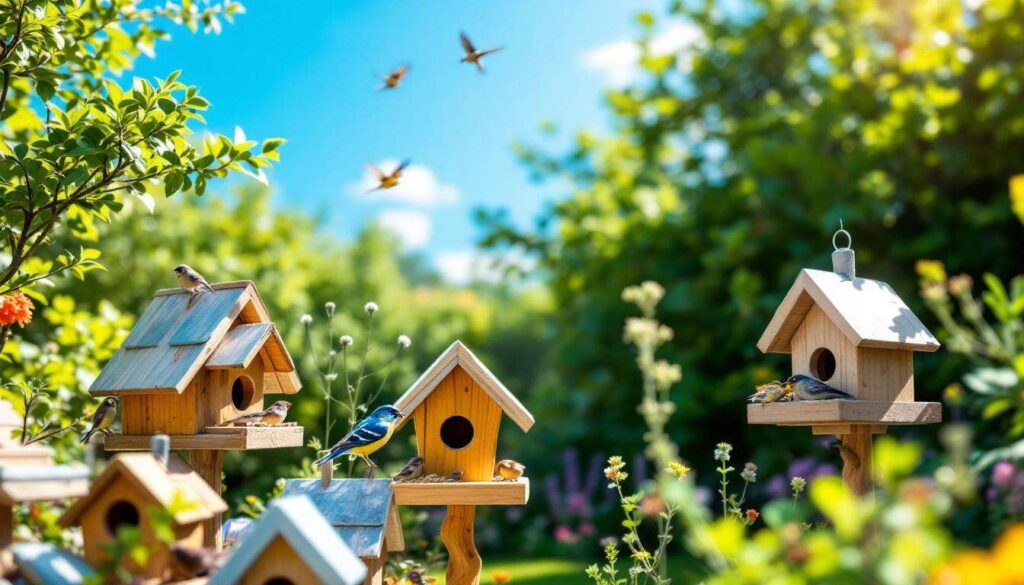
Transforming your garden into a sanctuary for feathered visitors requires little more than imagination and salvaged timber. Recycled wood offers an environmentally conscious solution for crafting structures that attract birds whilst reducing waste. From feeding stations to protective shelters, these handmade features provide essential resources for local bird populations throughout the seasons. By repurposing old planks, pallets and offcuts, gardeners can create functional and aesthetically pleasing installations that benefit wildlife and enhance outdoor spaces simultaneously.
Recycled wooden bird shelter
Designing protective structures for various species
Constructing bird shelters from reclaimed timber provides vital protection during harsh weather conditions. These structures serve as safe havens where birds can rest, preen and escape predators. When selecting wood for your shelter, ensure the material remains untreated and free from toxic preservatives that could harm wildlife.
Key considerations for effective shelters include:
- Entrance hole diameter appropriate to target species
- Adequate ventilation through small gaps near the roof
- Drainage holes in the base to prevent water accumulation
- Rough interior surfaces allowing fledglings to grip walls
- Overhanging roof providing protection from rain
Positioning and maintenance requirements
Strategic placement significantly influences shelter usage. Mount structures between two and four metres above ground, facing away from prevailing winds and direct afternoon sun. Secure shelters firmly to prevent swaying, which deters potential occupants. Annual cleaning after breeding season removes parasites and debris, preparing the shelter for subsequent use.
| Bird species | Entrance hole size | Internal dimensions |
|---|---|---|
| Blue tit | 25mm diameter | 100mm × 100mm base |
| Robin | Open-fronted | 150mm × 150mm base |
| Sparrow | 32mm diameter | 120mm × 120mm base |
These protective structures naturally lead to another essential requirement for garden birds: reliable food sources throughout the year.
Simple feeders from reclaimed wood
Basic platform feeder construction
Platform feeders represent the most straightforward design for beginners working with salvaged timber. A simple raised tray with drainage gaps and low perimeter edges accommodates multiple bird species simultaneously. Use weathered planks measuring approximately 300mm square, attaching corner posts to elevate the platform whilst providing structural stability.
Essential features include:
- Gaps between floor boards allowing rainwater drainage
- Low rim preventing seed spillage whilst permitting access
- Roof overhang protecting food from moisture
- Easy cleaning access for hygiene maintenance
Hopper-style dispensers for continuous feeding
More advanced designs incorporate gravity-fed mechanisms using reclaimed wood panels. These hoppers store larger seed quantities whilst protecting contents from weather. Construct transparent sides from recycled plastic bottles, allowing birds to see available food whilst keeping supplies dry. The controlled dispensing reduces waste and maintains freshness longer than open platforms.
Regular cleaning prevents disease transmission between visiting birds. Disinfect feeders fortnightly using diluted veterinary disinfectant, rinsing thoroughly before refilling. Rotate feeding locations seasonally to prevent ground contamination beneath popular stations.
Beyond feeding, birds require comfortable resting spots where they can observe surroundings safely.
Bird benches from recycled materials
Creating elevated observation perches
Bird benches fashioned from reclaimed timber provide strategic vantage points where species can survey territories and spot potential threats. These horizontal structures differ from traditional perches by offering wider surfaces accommodating larger birds or multiple smaller species. Position benches near feeding areas but maintain sufficient distance allowing nervous birds to assess safety before approaching food sources.
Construction involves securing flat boards to sturdy supports, ensuring stability under weight. Sand rough edges preventing injury whilst maintaining natural wood texture that birds prefer over smooth, treated surfaces. Incorporate varying heights throughout your garden, catering to species with different territorial preferences.
Integrating bathing facilities
Combining benches with shallow water features creates multifunctional installations maximising space efficiency. Embed a reclaimed wooden tray into bench surfaces, maintaining water depth between 25mm and 75mm to accommodate various bird sizes safely. Position stones within bathing areas providing graduated depths and secure footing.
| Feature | Recommended dimensions | Primary users |
|---|---|---|
| Shallow edge | 10-25mm depth | Small songbirds |
| Central area | 50-75mm depth | Thrushes, blackbirds |
| Perching rim | 30mm width | All species |
These bathing and resting facilities naturally complement another attraction: flowering plants that provide natural food sources.
Planters for attractive plants
Selecting bird-friendly flora
Wooden planters constructed from salvaged materials enable gardeners to cultivate nectar-rich flowers and berry-producing plants that attract diverse bird species. Native plants typically prove most successful, having evolved alongside local wildlife. Prioritise species offering sequential blooming periods, ensuring consistent food availability throughout growing seasons.
Recommended plantings include:
- Lavender and honeysuckle for nectar-feeding species
- Sunflowers providing autumn seed crops
- Cotoneaster producing winter berries
- Teasels offering architectural interest and seed heads
- Native wildflowers supporting insect populations
Planter construction techniques
Repurpose wooden pallets, crates or fence panels into containers of varying sizes. Line interiors with permeable landscape fabric preventing soil loss whilst allowing drainage. Drill multiple holes in bases ensuring excess water escapes, preventing root rot and mosquito breeding. Untreated timber weathers naturally, developing attractive patina whilst remaining safe for plants and wildlife.
Group planters at different heights creating layered habitats mimicking natural environments. This vertical diversity accommodates species preferring ground-level feeding alongside those favouring elevated positions. Position planters near windows for optimal viewing opportunities whilst maintaining sufficient distance preventing window strikes.
As plants mature, birds require additional nesting opportunities beyond traditional enclosed boxes.
Nesting shelves with used wood
Open-fronted platforms for specific species
Certain bird species reject fully enclosed nest boxes, preferring open-fronted shelves providing wider access and visibility. Robins, spotted flycatchers and pied wagtails particularly favour these designs. Construct simple platforms using reclaimed planks, incorporating three walls and a roof whilst leaving the front completely open.
Optimal specifications include:
- Internal floor area measuring 150mm × 150mm minimum
- Rear wall height of 200mm tapering to 150mm at front
- Roof overhang protecting nest from direct rainfall
- Mounting height between 1.5 and 2.5 metres
Strategic placement for breeding success
Position nesting shelves within dense vegetation providing natural concealment from predators. Climbing plants growing around structures offer additional camouflage without obstructing access. Face openings away from prevailing winds and afternoon sun, preventing chilling or overheating of eggs and chicks.
Install shelves during winter months, allowing birds to discover and assess sites before breeding season commences. Avoid disturbing occupied nests; observation should occur from distance using binoculars. Once fledglings depart, remove old nesting material and clean platforms thoroughly before storing until the following season.
Complementing nesting facilities, additional perching options throughout gardens encourage extended bird visits.
Homemade safe perches
Natural branch alternatives from reclaimed wood
Whilst natural branches provide ideal perching surfaces, strategically placed wooden dowels and planks from recycled sources supplement these features effectively. Cut varying diameters accommodating different foot sizes, from delicate finches requiring thin perches to larger species needing substantial supports. Sand surfaces lightly, removing splinters whilst maintaining texture that exercises foot muscles and prevents slipping.
Installation considerations include:
- Horizontal orientation for resting perches
- Slight angles encouraging natural gripping posture
- Multiple perches at varying heights throughout garden
- Positioning near escape routes into dense vegetation
- Regular inspection for stability and wear
Creating perching networks
Connect multiple perching points using reclaimed timber frameworks, establishing aerial pathways between key garden features. These networks allow birds to move safely between feeding, bathing and nesting areas without descending to ground level where predators pose greater threats. Incorporate perches at feeder edges, above water features and near shelter entrances.
| Perch diameter | Suitable species | Recommended spacing |
|---|---|---|
| 10-15mm | Wrens, goldcrests | 200mm intervals |
| 20-25mm | Tits, finches | 300mm intervals |
| 30-40mm | Thrushes, starlings | 400mm intervals |
Maintain perch cleanliness by scrubbing monthly with stiff brushes, removing accumulated droppings that harbour parasites and pathogens. Replace worn or damaged sections promptly, ensuring continuous availability of safe resting spots.
Implementing these recycled wood features transforms ordinary gardens into thriving bird habitats. Through thoughtful construction and placement of shelters, feeders, bathing facilities, planters, nesting platforms and perches, gardeners provide essential resources supporting diverse species throughout annual cycles. Salvaged timber offers sustainable building material whilst reducing environmental impact, demonstrating that wildlife conservation and responsible resource management complement each other perfectly. Regular maintenance and seasonal adjustments ensure these installations remain attractive and functional, rewarding creators with year-round avian activity and the satisfaction of contributing meaningfully to local ecosystems.