


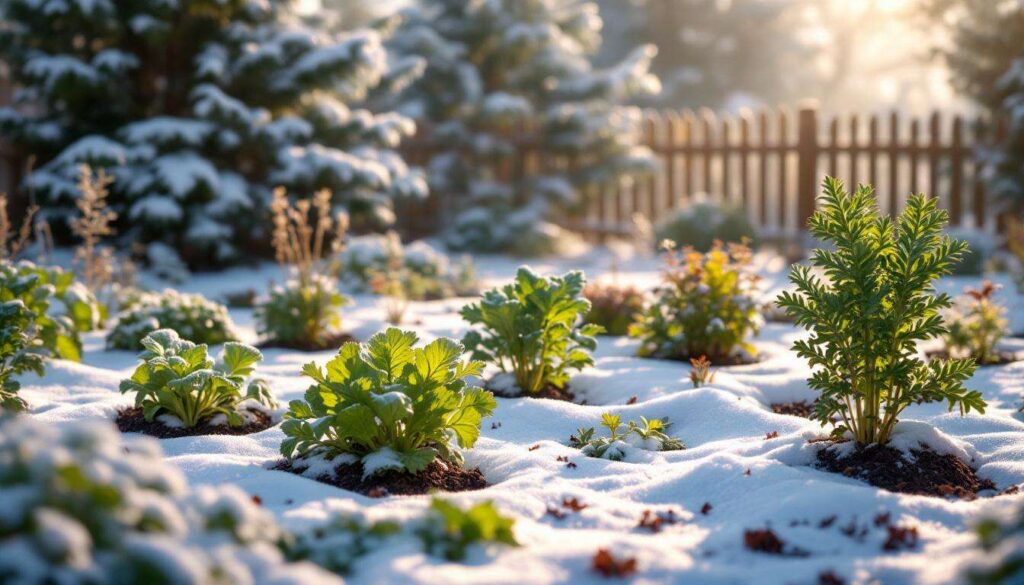
The depths of winter might seem an unlikely time to think about planting vegetables, yet gardeners across the country are discovering that the coldest months offer surprising opportunities for cultivation. Whilst many assume that vegetable growing is strictly a spring and summer activity, numerous hardy varieties thrive in cooler temperatures and can be successfully established even when frost blankets the ground. Understanding which vegetables tolerate or even prefer winter conditions opens up a new dimension of year-round food production, allowing dedicated gardeners to maintain productive plots throughout the calendar.
Winter Vegetables: is It Possible ?
The notion of planting vegetables during winter challenges conventional gardening wisdom, yet cold-season cultivation has been practised for centuries across northern climates. Many vegetables are remarkably resilient, with some species actually requiring exposure to cold temperatures to develop their full flavour profile and nutritional content.
Understanding cold-hardy varieties
Cold-hardy vegetables possess biological adaptations that enable survival in freezing conditions. These plants contain higher concentrations of sugars and other compounds that act as natural antifreeze, preventing cellular damage when temperatures plummet. Brassicas, alliums, and certain root vegetables have evolved these protective mechanisms, making them ideal candidates for winter planting. Their ability to withstand frost and even snow cover means that gardeners can establish crops that will either mature during mild winter periods or remain dormant until spring triggers renewed growth.
Regional considerations
Success with winter vegetables depends significantly on your specific location and microclimate. Coastal regions with milder winters offer different possibilities compared to inland areas subject to harsh freezes. Gardeners must assess their local conditions, including:
- Average minimum temperatures throughout winter months
- Frequency and severity of frost events
- Snow cover duration and depth
- Soil drainage characteristics during wet periods
- Available sunlight hours as days shorten
These factors determine which vegetables will thrive and which protective measures might be necessary. Having established that winter planting is indeed feasible, the question becomes why one should embrace this unconventional approach.
The Benefits of Growing in Winter
Cultivating vegetables during the coldest months delivers advantages that extend beyond simply having fresh produce available when supermarket prices peak.
Extended harvest seasons
Year-round food production represents the most obvious benefit of winter gardening. Rather than experiencing a barren period between autumn’s final harvests and spring’s first sowings, gardeners can maintain continuous productivity. Certain vegetables planted in winter will be ready for harvest during the “hungry gap” of early spring when stored crops have depleted and new summer vegetables haven’t yet matured.
Improved flavour profiles
Many winter vegetables develop superior taste characteristics when grown in cold conditions. Exposure to frost triggers biochemical changes that increase sugar content, resulting in sweeter, more complex flavours. Parsnips, kale, and Brussels sprouts are renowned for their improved palatability after experiencing freezing temperatures, with the cold essentially “curing” them into premium culinary ingredients.
Reduced pest and disease pressure
Winter’s inhospitable conditions for many garden pests create a naturally protective environment. Aphids, caterpillars, and other common nuisances remain dormant or absent during cold months, dramatically reducing the need for pest management interventions. Fungal diseases also proliferate less readily in cooler, drier winter air compared to the humid warmth of summer.
| Benefit | Impact |
|---|---|
| Continuous harvests | Fresh vegetables available throughout winter |
| Enhanced flavour | Sweeter, more complex taste profiles |
| Lower pest pressure | Reduced need for pest control measures |
| Efficient water use | Natural rainfall often sufficient |
Understanding these compelling advantages naturally leads to the practical question of how to ready your growing space for winter planting.
How to Prepare Your Garden for Winter Planting
Proper preparation forms the foundation for successful winter vegetable cultivation, with soil condition and site selection proving particularly critical.
Soil preparation essentials
Well-drained soil becomes absolutely essential during winter months when waterlogging poses a serious threat to plant health. Improving drainage should be the primary focus, achieved through incorporating organic matter such as well-rotted compost or aged manure. These amendments improve soil structure, creating air pockets that facilitate water movement whilst simultaneously providing nutrients that will slowly release as plants grow. Working the soil when it’s neither frozen nor waterlogged ensures optimal tilth without damaging soil structure.
Creating protective microclimates
Strategic positioning of winter crops can significantly improve their performance. South-facing locations receive maximum available sunlight during short winter days, whilst walls, fences, and hedges provide wind protection and radiate stored heat. Cold frames, cloches, and polytunnels extend the range of vegetables that can be grown, creating sheltered environments several degrees warmer than ambient conditions.
Mulching strategies
Applying protective mulch serves multiple functions in winter gardens:
- Insulates soil and plant roots from extreme temperature fluctuations
- Prevents soil erosion from winter rains and winds
- Suppresses weed germination during mild spells
- Gradually breaks down to improve soil fertility
Straw, shredded leaves, or compost make excellent winter mulches, applied after planting to a depth of 5-10 centimetres. With the garden properly prepared, attention turns to selecting appropriate vegetables for winter planting.
What Vegetables to Plant in Winter ?
Ten vegetables stand out as particularly suitable for winter planting, each offering reliable performance when established during the coldest months.
Broad beans
Autumn-sown broad beans planted from late autumn through early winter develop strong root systems during dormant periods, resulting in earlier and heavier crops than spring-sown equivalents. Varieties specifically bred for overwintering, such as ‘Aquadulce Claudia’, tolerate temperatures down to -10°C.
Garlic
Garlic cloves require a cold period to develop properly divided bulbs, making winter planting not just possible but essential for success. Plant individual cloves 15 centimetres apart in well-drained soil between November and February for harvest the following summer.
Onion sets
Overwintering onion varieties planted as sets establish quickly and produce bulbs several weeks earlier than spring plantings. Japanese varieties like ‘Senshyu Yellow’ prove particularly reliable, withstanding frost whilst developing into substantial bulbs by early summer.
Winter lettuce
Hardy lettuce varieties continue growing slowly throughout winter, providing fresh salad leaves when few other greens are available. ‘Winter Density’ and ‘Arctic King’ tolerate frost and can be harvested leaf by leaf over extended periods.
Spinach
Winter spinach varieties produce tender leaves throughout the coldest months, with plants becoming semi-dormant during severe freezes before resuming growth during milder spells. ‘Medania’ and ‘Giant Winter’ offer excellent cold tolerance.
Kale
Exceptionally frost-hardy, kale actually improves in flavour after exposure to freezing temperatures. Plants established in winter provide harvests from late winter through spring, with varieties like ‘Redbor’ and ‘Cavolo Nero’ proving particularly resilient.
Spring cabbage
Planted as young transplants during winter, spring cabbage varieties develop slowly until lengthening days trigger rapid growth, producing tender hearts by late spring. These fill the gap before summer cabbages mature.
Parsnips
Whilst typically sown earlier, parsnips can remain in the ground throughout winter for harvesting as needed. Their flavour improves dramatically after frost exposure, with starches converting to sugars that create characteristic sweetness.
Carrots
Quick-maturing carrot varieties sown in late winter under cloches or in polytunnels produce early crops. Alternatively, maincrop carrots left in situ provide fresh roots throughout winter when protected with straw mulch.
Peas
Hardy pea varieties sown during winter establish deep root systems, resulting in earlier and more productive crops than spring sowings. ‘Meteor’ and ‘Douce Provence’ withstand cold conditions whilst remaining productive.
Selecting appropriate vegetables represents only part of the equation, with cultivation techniques requiring adaptation to winter conditions.
Cold-Adapted Gardening Techniques
Modifying standard gardening practices to accommodate winter’s challenges maximises success rates and crop quality.
Timing considerations
Strategic timing proves crucial when working with winter vegetables. Planting during mild spells when soil remains workable prevents root damage and allows establishment before harsh weather arrives. Monitoring weather forecasts helps identify suitable planting windows, avoiding periods immediately before predicted severe freezes.
Protection methods
Various structures provide essential protection for winter crops:
- Cold frames: offer several degrees of frost protection whilst allowing sunlight penetration
- Cloches: protect individual plants or short rows from wind and frost
- Fleece covers: provide temporary protection during severe cold snaps
- Polytunnels: create significantly warmer growing environments for less hardy species
Watering practices
Winter watering requires careful judgement. Natural rainfall often provides sufficient moisture, but protected crops may need supplementary watering during dry spells. Water during morning hours when possible, allowing foliage to dry before nightfall and reducing disease risk. Avoid watering when frost is forecast, as wet soil freezes more readily than dry soil.
These adapted techniques work most effectively when combined with specific management practices designed to optimise winter crop performance.
Tips for Successful Winter Crops
Attention to detail separates disappointing winter gardens from productive ones, with several key practices proving particularly valuable.
Variety selection matters
Always choose varieties specifically bred or selected for winter hardiness rather than assuming any cultivar will tolerate cold. Seed catalogues clearly indicate which varieties suit winter growing, with descriptors like “overwintering”, “hardy”, or “winter” signalling appropriate choices.
Monitor and maintain
Regular inspection allows early detection of problems before they escalate. Check plants weekly for pest activity, disease symptoms, or weather damage. Remove any damaged or diseased foliage promptly to prevent issues spreading.
Soil fertility management
Winter vegetables grow slowly and require less intensive feeding than summer crops, yet maintaining adequate nutrition remains important. A balanced organic fertiliser applied at planting provides sufficient nutrients for most winter vegetables, with additional feeding unnecessary until spring growth accelerates.
Harvest timing
Many winter vegetables can be harvested over extended periods rather than all at once. Pick leaves, shoots, or roots as needed, allowing plants to continue producing. This approach maximises freshness whilst extending the productive period of each planting.
Winter vegetable gardening transforms the coldest months from a period of horticultural dormancy into an opportunity for productive cultivation. The ten vegetables outlined here demonstrate that frost and freezing temperatures need not signal the end of fresh homegrown produce. By selecting cold-hardy varieties, preparing growing spaces appropriately, and adapting techniques to winter conditions, gardeners can maintain year-round harvests whilst enjoying the enhanced flavours that cold-season crops provide. The satisfaction of gathering fresh vegetables from a winter garden, coupled with the practical benefits of extended productivity and reduced pest pressure, makes cold-season planting an endeavour worth embracing regardless of experience level.