



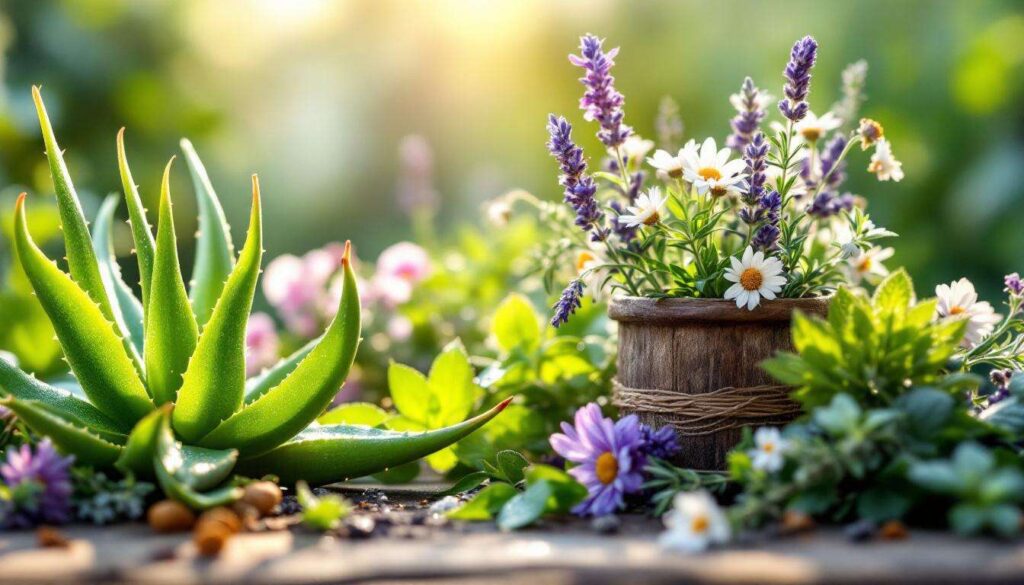
The beauty industry has long turned to nature for inspiration, and today’s skincare enthusiasts are rediscovering the remarkable properties of botanical ingredients. From ancient remedies to modern formulations, plants offer a wealth of benefits that can transform your complexion without the need for harsh chemicals or synthetic additives. Incorporating these natural wonders into your daily routine can provide gentle yet effective solutions for various skin concerns whilst promoting a healthier, more radiant appearance.
Introduction to the power of plants in beauty
Why botanical ingredients work
Plants have evolved sophisticated defence mechanisms and compounds that protect them from environmental stressors, and these same properties can benefit human skin. Phytochemicals, the active compounds found in plants, possess anti-inflammatory, antimicrobial and regenerative qualities that address multiple skin concerns simultaneously. Unlike synthetic alternatives, botanical ingredients often work synergistically with the skin’s natural processes, making them particularly suitable for sensitive complexions.
The science behind plant-based beauty
Research has demonstrated that many plant extracts contain vitamins, minerals and antioxidants that support skin health at a cellular level. These compounds help neutralise free radicals, stimulate collagen production and maintain the skin’s protective barrier. The bioavailability of plant-based nutrients means they can be readily absorbed and utilised by the skin, delivering tangible results over time.
Sustainable and ethical considerations
Choosing plant-based beauty products aligns with growing environmental consciousness. Many botanical ingredients are renewable, biodegradable and can be sourced sustainably. This approach not only benefits your skin but also reduces the ecological footprint associated with conventional beauty products.
Understanding these foundational principles sets the stage for exploring specific plants that can revolutionise your skincare regimen, starting with one of nature’s most celebrated moisturisers.
Aloe vera: the natural moisturiser
Hydration without heaviness
Aloe vera gel contains approximately 99% water, making it an exceptionally lightweight yet effective hydrator. The plant’s mucopolysaccharides help bind moisture to the skin whilst its amino acids support tissue repair. This combination makes aloe vera ideal for all skin types, particularly those prone to congestion who require hydration without added oils.
Healing and soothing properties
The gel extracted from aloe vera leaves contains numerous beneficial compounds:
- Vitamins A, C and E that support antioxidant protection
- Enzymes that reduce inflammation and promote healing
- Salicylic acid for gentle exfoliation
- Polysaccharides that stimulate skin repair
Practical applications
Fresh aloe vera gel can be applied directly to the skin as a lightweight serum or mixed with other ingredients to create custom masks. For sunburn relief, refrigerated aloe provides immediate cooling comfort whilst accelerating healing. Regular application can improve skin texture, reduce redness and maintain optimal hydration levels throughout the day.
Whilst aloe vera excels at hydration and healing, another gentle botanical offers complementary benefits for calming reactive skin.
The benefits of chamomile for the skin
Anti-inflammatory excellence
Chamomile contains bisabolol and chamazulene, powerful anti-inflammatory compounds that reduce redness, irritation and sensitivity. These components make chamomile particularly valuable for conditions such as rosacea, eczema and general skin reactivity. The plant’s gentle nature ensures it rarely causes adverse reactions, even on the most delicate complexions.
Antioxidant and brightening effects
Beyond its calming properties, chamomile provides antioxidant protection through its flavonoid content. Regular use can help fade hyperpigmentation, even skin tone and protect against environmental damage. The cumulative effect is a brighter, more uniform complexion with reduced visible signs of stress and fatigue.
Incorporating chamomile into your routine
| Application method | Benefits | Frequency |
|---|---|---|
| Chamomile tea compress | Reduces puffiness and soothes irritation | Daily, as needed |
| Chamomile-infused toner | Balances pH and calms redness | Twice daily |
| Chamomile oil in moisturiser | Provides overnight repair | Evening application |
The soothing qualities of chamomile prepare the skin beautifully for the protective benefits offered by another powerful botanical ally.
Green tea: antioxidant and revitalising
Potent antioxidant protection
Green tea contains epigallocatechin gallate (EGCG), one of the most powerful antioxidants available in botanical form. This compound neutralises free radicals that accelerate ageing, protecting cellular structures from oxidative stress. Studies have shown that topical application of green tea can reduce DNA damage caused by UV exposure, making it an essential component of any comprehensive skincare strategy.
Anti-ageing and skin renewal
The polyphenols in green tea stimulate skin cell turnover and support collagen synthesis. Regular use can diminish the appearance of fine lines, wrinkles and age spots whilst improving overall skin elasticity. Green tea also possesses mild astringent properties that help refine pores and control excess sebum production without stripping the skin.
Practical incorporation methods
Green tea can be integrated into your beauty routine through various approaches:
- Brewed green tea as a facial mist throughout the day
- Green tea ice cubes for depuffing and tightening
- DIY masks combining green tea powder with honey or yoghurt
- Commercial serums containing concentrated green tea extract
After fortifying the skin with green tea’s protective properties, another aromatic plant offers targeted benefits for achieving a balanced, calm complexion.
Lavender oil: for a soothed complexion
Calming and balancing properties
Lavender essential oil provides both physical and psychological benefits that contribute to skin health. Its antimicrobial properties help prevent blemishes whilst its anti-inflammatory compounds reduce existing irritation. The aromatherapeutic effects of lavender also promote relaxation, which indirectly benefits the skin by reducing stress-related inflammation and breakouts.
Healing and regeneration
Lavender oil accelerates wound healing and can improve the appearance of scars and blemishes. Its gentle nature makes it suitable for most skin types when properly diluted. The oil’s ability to regulate sebum production makes it particularly valuable for combination skin that experiences both dry patches and oily zones.
Safe usage guidelines
Essential oils require careful dilution to prevent irritation. For facial application, mix one to two drops of lavender oil with a carrier oil such as jojoba or rosehip. Perform a patch test before full application, and avoid using undiluted essential oils directly on the skin. Evening application allows the oil to work overnight without photosensitivity concerns.
The balancing act achieved through lavender creates an ideal foundation for introducing a final botanical ingredient that strengthens and invigorates.
Rosemary and its strengthening virtues
Stimulating circulation and renewal
Rosemary extract improves blood circulation to the skin’s surface, delivering oxygen and nutrients that support cellular function. This increased circulation promotes a healthy glow whilst accelerating the removal of metabolic waste products. The stimulating effect makes rosemary particularly beneficial for dull, tired-looking skin that lacks vitality.
Antimicrobial and toning benefits
The antimicrobial properties of rosemary help maintain clear skin by preventing bacterial growth that leads to blemishes. Its natural astringency tones the skin without excessive drying, making it suitable for oily and combination skin types. Rosemary also contains rosmarinic acid, a compound with significant anti-inflammatory and antioxidant effects.
Application and integration
Rosemary can be incorporated through several methods:
- Rosemary hydrosol as a refreshing toner
- Infused oils for facial massage
- Steam treatments using fresh rosemary sprigs
- DIY masks combining rosemary powder with clay
When using rosemary essential oil, always dilute appropriately and consider performing evening applications to avoid potential photosensitivity.
These six botanical powerhouses offer diverse yet complementary benefits that can transform your skincare routine. From aloe vera’s lightweight hydration to rosemary’s invigorating properties, each plant brings unique compounds that address specific skin concerns whilst promoting overall health. By thoughtfully incorporating these natural ingredients into your daily regimen, you can achieve a radiant, balanced complexion that reflects the gentle power of nature. Whether used individually or in combination, these plants provide effective, sustainable alternatives to synthetic products, allowing you to cultivate genuine beauty from the garden to your skin.