

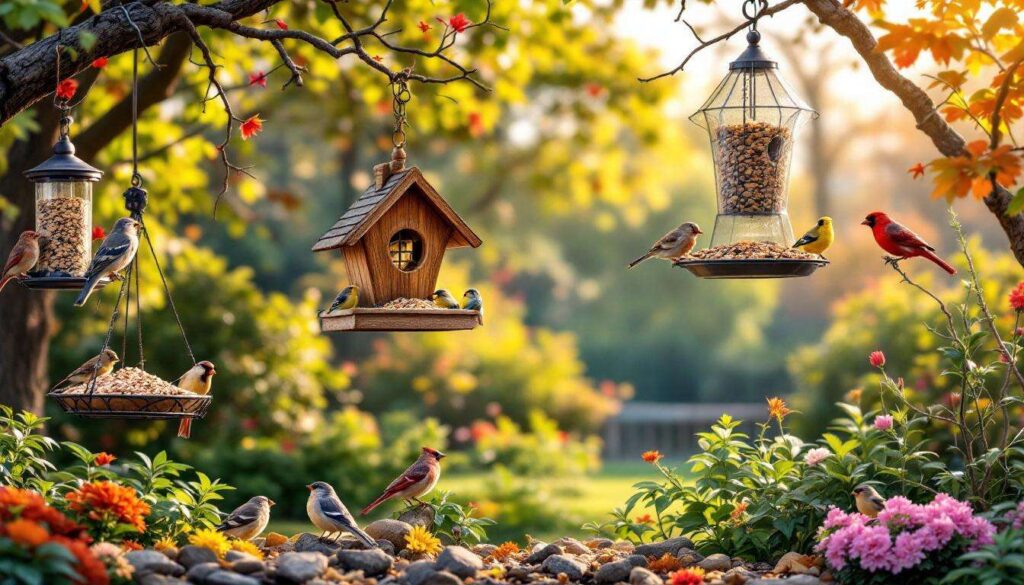
Creating a welcoming environment for garden birds requires thoughtful planning and the right equipment. With numerous species visiting British gardens throughout the year, selecting appropriate feeders can make the difference between a quiet garden and one bustling with avian activity. Understanding the feeding preferences and behaviours of different bird species enables enthusiasts to provide targeted solutions that cater to their specific needs. From small, acrobatic tits to ground-feeding robins and larger corvids, each species benefits from carefully chosen feeding stations. This comprehensive guide explores six proven feeder designs that will transform any outdoor space into a thriving bird sanctuary.
The best feeders for garden birds
Understanding feeder types and their benefits
Garden bird feeders come in various designs, each serving distinct purposes. Tube feeders with multiple feeding ports work exceptionally well for mixed seed, whilst hopper feeders provide shelter from rain and allow birds to feed comfortably. Platform feeders offer versatility, accommodating species that prefer open feeding areas, and suet feeders cater specifically to insectivorous birds requiring high-energy food.
Material considerations for durability
Selecting feeders constructed from weather-resistant materials ensures longevity and maintains hygiene standards. Metal feeders withstand harsh weather conditions and deter squirrels, whilst UV-stabilised plastic options provide lightweight alternatives. Wooden feeders offer aesthetic appeal but require regular maintenance to prevent rot and bacterial growth.
| Feeder Type | Best For | Capacity |
|---|---|---|
| Tube feeder | Small seeds | 1-2 kg |
| Hopper feeder | Mixed seed | 2-5 kg |
| Platform feeder | All species | Variable |
Placement strategies for maximum success
Positioning feeders at appropriate heights and distances from cover significantly impacts usage rates. Feeders should be placed at least two metres from dense vegetation to reduce predation risk, whilst remaining within five metres of shelter where birds can retreat if threatened. Varying heights between 1.5 and 2.5 metres accommodates different species’ comfort zones.
With these fundamental principles established, attention can turn to specific species that require specialised feeding arrangements to thrive in domestic settings.
Attracting tits with a suitable feeder
Preferred feeder designs for tit species
Blue tits, great tits, and coal tits demonstrate remarkable agility when feeding, making them ideal candidates for hanging feeders with small perches or mesh designs. These acrobatic birds excel at clinging to vertical surfaces, allowing them to access feeders that larger, more aggressive species cannot dominate. Peanut feeders with narrow mesh spacing prevent birds from extracting whole nuts, encouraging safer feeding behaviour.
Optimal food choices
Tits display strong preferences for specific food types that provide essential nutrients :
- Black sunflower seeds offering high oil content
- Peanut granules or chips in appropriate mesh feeders
- Suet pellets enriched with insects
- Nyjer seeds for coal tits particularly
Feeder features that benefit tits
Incorporating spring-loaded perches that close feeding ports under heavier birds’ weight ensures tits can feed undisturbed. Multiple feeding ports around tube feeders accommodate several birds simultaneously, reducing competition and allowing subordinate individuals access to food. Transparent feeders enable birds to assess food levels before landing, whilst removable bases facilitate thorough cleaning.
Whilst tits favour elevated feeding stations, other beloved garden visitors require entirely different approaches to meet their ground-foraging instincts.
Feeding robins in style
Ground-level feeding solutions
Robins naturally forage on the ground and low vegetation, making ground feeding trays or low platform feeders essential for attracting these territorial birds. Unlike many species that readily adapt to hanging feeders, robins feel most comfortable feeding at ground level or on stable, open platforms no higher than one metre.
Designing robin-friendly feeding stations
Successful robin feeders incorporate several key features that align with their behavioural patterns. Open-topped designs without restrictive covers allow robins to survey their surroundings whilst feeding, satisfying their vigilant nature. Mesh bases promote drainage, preventing mealworms and other preferred foods from becoming waterlogged during wet weather.
| Food Type | Nutritional Benefit | Season |
|---|---|---|
| Mealworms | High protein | Year-round |
| Suet crumble | Energy-rich fats | Winter |
| Grated cheese | Calcium, protein | Breeding season |
Creating exclusive robin feeding areas
Positioning robin feeders beneath shrubs or hedgerows mimics their natural foraging environment whilst providing overhead protection from aerial predators. Placing feeders away from busy areas reduces disturbance, as robins prefer quieter feeding locations where they can maintain territorial boundaries.
Moving from ground-dwelling species to those that prefer elevated seed sources reveals another category of garden birds with distinct requirements.
Seed feeders to delight finches
Finch-specific feeder characteristics
Goldfinches, chaffinches, and greenfinches require specialised seed feeders with particular port sizes and perch arrangements. Nyjer seed feeders with tiny holes prevent seed wastage whilst accommodating finches’ delicate feeding technique. Finches prefer feeders with adequate perching space, allowing them to settle comfortably rather than hover whilst extracting seeds.
Seed selection for different finch species
Providing diverse seed types attracts various finch species throughout the year :
- Nyjer seeds specifically for goldfinches
- Sunflower hearts appealing to all finch species
- Mixed finch blends containing hemp and linseed
- Thistle seeds offering natural food sources
Maintenance requirements for seed feeders
Finch feeders demand regular cleaning schedules to prevent disease transmission, particularly during periods of high usage. Nyjer seeds can become compacted when wet, requiring feeders to be emptied and dried thoroughly every fortnight. Replacing seeds before they become stale maintains freshness and ensures finches continue visiting reliably.
Whilst smaller birds dominate many garden feeding stations, accommodating larger species requires different approaches and more robust equipment.
Solutions for feeding larger birds
Sturdy feeders for substantial species
Pigeons, jackdaws, and magpies require reinforced feeding platforms capable of supporting their weight without tipping or collapsing. Ground feeding trays with raised edges contain food effectively whilst allowing larger birds to land and feed comfortably. Hopper feeders with wide platforms accommodate multiple large birds simultaneously, reducing aggressive interactions.
Food quantities and types
Larger birds consume substantial quantities, necessitating feeders with greater capacity to reduce refilling frequency. Whole peanuts, mixed grains, and kitchen scraps provide appropriate nutrition for corvids and pigeons. Scatter feeding across lawn areas distributes food widely, preventing dominant individuals from monopolising resources.
Managing larger bird populations
Controlling access to certain feeders helps maintain balance within garden bird communities :
- Weight-activated feeders that close under heavier birds
- Caged feeders allowing small birds exclusive access
- Designated feeding areas away from smaller species’ stations
- Timed feeding schedules preventing overcrowding
Beyond meeting the practical needs of various species, contemporary bird enthusiasts increasingly consider the environmental impact of their feeding practices.
Choosing eco-friendly feeders
Sustainable materials and construction
Environmentally conscious bird feeders utilise recycled plastics, FSC-certified wood, and recyclable metals that minimise ecological footprints. Feeders constructed from natural materials like bamboo and untreated hardwoods biodegrade safely whilst providing years of service. Avoiding feeders with excessive packaging or non-recyclable components reduces waste significantly.
Energy-efficient production methods
Manufacturers increasingly adopt low-impact production processes that reduce carbon emissions and water consumption. Locally produced feeders eliminate transportation-related environmental costs whilst supporting regional economies. Modular designs allowing component replacement extend feeder lifespans, reducing the need for complete replacements.
Ethical sourcing of bird food
Selecting sustainably sourced seeds and suet products ensures feeding practices support rather than harm ecosystems. Organic seeds grown without pesticides protect birds from chemical exposure whilst promoting biodiversity in agricultural landscapes. Fair-trade certified products guarantee ethical labour practices throughout supply chains.
| Material | Sustainability Rating | Lifespan |
|---|---|---|
| Recycled plastic | High | 5-10 years |
| FSC wood | Very high | 3-7 years |
| Stainless steel | High | 10+ years |
Establishing a successful bird feeding programme requires matching feeder types to species preferences whilst considering environmental responsibilities. Tube feeders serve tits and finches effectively, ground platforms accommodate robins and larger birds, and specialised designs cater to specific dietary needs. Material choices impact both durability and ecological footprints, with sustainable options increasingly available. Regular maintenance, strategic placement, and appropriate food selection ensure gardens become havens for diverse bird populations. By implementing these six feeder strategies, enthusiasts create thriving ecosystems that benefit both avian visitors and the broader environment, fostering connections between humans and nature that enrich daily life throughout the seasons.