

Outdoor living spaces have evolved dramatically, transforming from simple lawns into sophisticated extensions of our homes. Garden professionals are witnessing a remarkable shift in how homeowners approach their backyards, with innovative designs that blend aesthetics, functionality and environmental consciousness. These emerging trends reflect a deeper connection between people and nature, whilst addressing contemporary lifestyle needs and ecological concerns. The following trends represent what leading landscape architects and garden designers predict will dominate residential outdoor spaces in the coming seasons.
Eco-Responsible Design
Sustainability has moved from a niche consideration to a fundamental principle in garden planning. Homeowners are increasingly prioritising environmentally conscious choices that reduce their ecological footprint whilst creating beautiful outdoor environments.
Rainwater Harvesting Systems
Water conservation takes centre stage with sophisticated rainwater collection systems becoming standard features. These installations range from decorative rain chains and attractive barrels to underground cisterns that store thousands of litres. Garden professionals report that clients are investing in comprehensive irrigation systems that utilise harvested rainwater, significantly reducing dependence on municipal water supplies.
Native Plant Landscaping
The shift towards indigenous flora represents more than an aesthetic choice. Native plants require minimal maintenance, less water and naturally resist local pests without chemical interventions. Landscape designers are creating stunning gardens that feature:
- Drought-resistant perennials adapted to regional climates
- Pollinator-friendly wildflower meadows
- Native hedgerows providing habitat for local wildlife
- Indigenous trees offering seasonal interest and ecological benefits
Permeable Surfaces
Traditional concrete and solid paving are giving way to permeable alternatives that allow rainwater to filter naturally into the ground. Gravel paths, permeable pavers and porous concrete reduce runoff whilst preventing flooding and replenishing groundwater supplies.
These environmental considerations seamlessly connect with how homeowners are reimagining the practical uses of their outdoor areas.
Multifunctional Spaces
Modern backyards must work harder than ever, accommodating diverse activities within limited square footage. Garden designers are creating flexible zones that adapt to changing needs throughout the day and seasons.
Outdoor Rooms with Multiple Purposes
The concept of dedicated outdoor rooms has evolved into versatile spaces that serve various functions. A single area might function as a morning breakfast spot, afternoon workspace and evening entertainment venue. Designers achieve this through clever furniture selection, movable elements and strategic zoning.
Convertible Dining and Lounging Areas
Furniture systems that transform from dining configurations to comfortable lounging arrangements are increasingly popular. Modular seating allows homeowners to reconfigure their spaces for intimate gatherings or larger parties, whilst extendable tables accommodate varying group sizes.
Exercise and Wellness Zones
Dedicated outdoor fitness areas are becoming standard features, incorporating:
- Yoga platforms with privacy screening
- Resistance training stations integrated into garden structures
- Meditation corners with water features
- Outdoor shower facilities for post-exercise refreshment
The materials chosen to construct these versatile spaces play an equally important role in their success and longevity.
Durable and Natural Materials
The selection of building materials reflects both environmental values and practical considerations. Garden professionals are specifying substances that age gracefully whilst minimising ecological impact.
Reclaimed and Recycled Elements
Salvaged materials bring character and sustainability to garden projects. Reclaimed timber from old buildings, recycled composite decking and repurposed stone create unique features with compelling backstories. These materials often outperform new alternatives in durability whilst diverting waste from landfills.
Locally Sourced Stone and Timber
Regional materials reduce transportation emissions and ensure designs harmonise with local architectural traditions. Garden designers are championing indigenous stone varieties and locally milled timber that support regional economies whilst creating authentic sense of place.
Natural Finishes and Weathering
The preference for materials that develop attractive patinas over time reflects a more relaxed aesthetic. Untreated hardwoods that silver naturally, copper elements that acquire verdigris and weathering steel that forms protective rust layers are celebrated for their evolving beauty.
| Material | Lifespan | Maintenance Level | Eco-Rating |
|---|---|---|---|
| Reclaimed hardwood | 30+ years | Low | Excellent |
| Recycled composite | 25+ years | Very low | Very good |
| Local stone | 50+ years | Minimal | Excellent |
| Weathering steel | 40+ years | None | Good |
These material choices work in harmony with technological innovations that are revolutionising garden management.
Smart Garden Technologies
Digital integration is transforming outdoor spaces into intelligent environments that respond to weather conditions, user preferences and plant needs with minimal human intervention.
Automated Irrigation Systems
Contemporary watering systems utilise soil moisture sensors and weather data to deliver precise hydration exactly when plants need it. These smart controllers adjust schedules based on rainfall, temperature and humidity, eliminating water waste whilst promoting healthier plant growth.
Intelligent Lighting Controls
Sophisticated outdoor lighting systems offer programmable scenes, motion activation and astronomical timers that adjust to seasonal sunset variations. Homeowners control ambience through smartphone applications, creating different moods for various occasions whilst enhancing security.
Climate Monitoring and Plant Care Apps
Garden management applications provide real-time data about microclimates within specific outdoor spaces. These tools offer:
- Frost warnings with automatic protection system activation
- Fertilisation reminders based on plant species and growth stages
- Pest identification through image recognition
- Personalised maintenance schedules adapted to local conditions
Technology also enables new approaches to food production in residential settings, particularly in space-constrained urban environments.
Urban Gardening
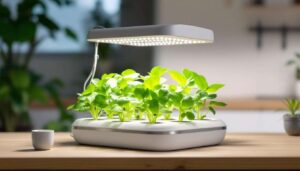
Compact growing techniques are bringing food production to city dwellers, transforming balconies, rooftops and small yards into productive landscapes that yield fresh produce.
Vertical Growing Systems
Wall-mounted planters, tower gardens and trellis systems maximise vertical space for cultivation. These installations allow substantial harvests from minimal footprints, making edible gardening accessible to those with limited ground area.
Container and Raised Bed Gardens
Portable growing solutions offer flexibility and control over soil quality. Raised beds provide ideal growing conditions whilst eliminating concerns about contaminated urban soils. Container gardens enable renters to take their edible landscapes when relocating.
Herb Walls and Kitchen Gardens
Culinary gardens positioned near outdoor cooking areas provide immediate access to fresh ingredients. Designers are creating dedicated herb spirals, tiered planters and living walls that combine functionality with ornamental appeal, featuring:
- Mediterranean herbs thriving in sunny exposures
- Salad leaf collections for continuous harvesting
- Edible flowers adding colour and flavour
- Compact fruit varieties bred for container cultivation
Beyond productivity, homeowners are seeking outdoor spaces that promote mental wellbeing and physical restoration.
Immersive Relaxation Zones
The recognition of gardens as therapeutic environments has inspired designs focused on sensory engagement and stress reduction. These contemplative spaces offer refuge from demanding modern lifestyles.
Water Features and Natural Soundscapes
Fountains, streams and ponds introduce calming aquatic sounds that mask urban noise pollution. Garden professionals are designing naturalistic water features that support biodiversity whilst creating focal points for meditation and reflection.
Fire Elements and Gathering Spaces
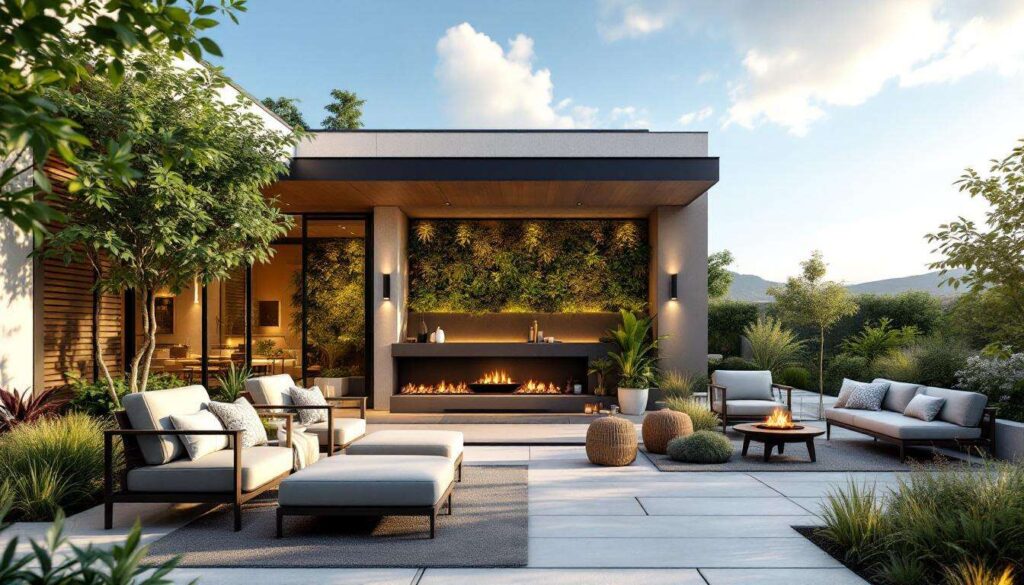
Outdoor fireplaces and fire pits extend seasonal use whilst providing primal focal points for social connection. Contemporary designs range from sleek gas features to traditional wood-burning installations, each creating atmospheric warmth and ambient lighting.
Sensory Gardens
Plantings designed to engage multiple senses transform ordinary gardens into immersive experiences. Fragrant flowers, textured foliage, rustling grasses and visually striking compositions work together to create restorative environments. These gardens often incorporate:
- Aromatic plant collections releasing scent when brushed
- Ornamental grasses providing movement and sound
- Tactile elements encouraging physical interaction
- Colour schemes promoting specific emotional responses
Private Retreat Areas
Secluded corners furnished with comfortable seating offer personal sanctuaries within larger gardens. Strategic screening through plants, structures or topography creates intimate spaces for reading, contemplation or simply enjoying nature’s rhythms.
The convergence of these trends reflects a profound reimagining of residential outdoor spaces. Gardens are no longer mere decorative additions but essential living environments that nurture wellbeing, support ecological health and adapt to contemporary lifestyle demands. By embracing sustainable practices, versatile designs and thoughtful material choices, homeowners are creating backyards that serve multiple purposes whilst treading lightly on the planet. These evolving spaces demonstrate that beautiful, functional and environmentally responsible gardens are not only possible but increasingly becoming the expected standard for residential landscapes.