



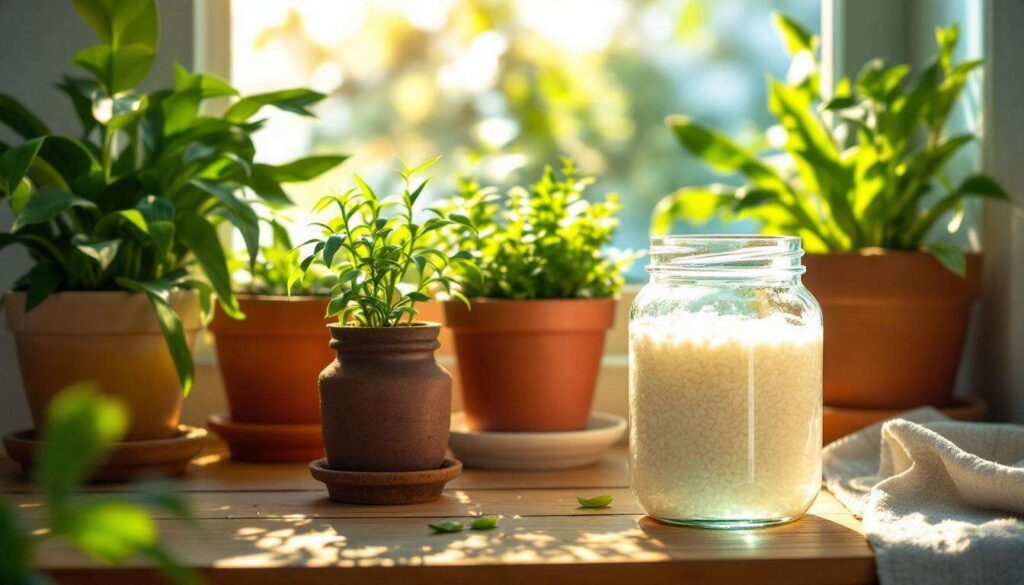
Gardeners seeking natural and cost-effective solutions to boost plant growth have increasingly turned to an unexpected kitchen byproduct. Rice water, the starchy liquid left over from rinsing or boiling rice, has emerged as a powerful organic fertiliser that can dramatically accelerate plant development. Rich in nutrients such as nitrogen, phosphorus, and potassium, this humble liquid provides essential minerals that plants need to thrive. Beyond its nutritional content, rice water contains beneficial bacteria and vitamins that support root health and overall vigour. This traditional practice, long used in Asian agriculture, is now gaining recognition worldwide as gardeners discover its remarkable effects on various plant species.
The benefits of rice water on plants
Nutritional composition and plant health
Rice water delivers a concentrated dose of nutrients that plants absorb readily through their root systems. The starch present in the liquid breaks down into simpler sugars, providing an immediate energy source for microbial activity in the soil. This enhanced microbial population improves soil structure and nutrient availability, creating an optimal environment for root development.
The key components found in rice water include:
- Nitrogen for leaf growth and chlorophyll production
- Phosphorus for strong root development and flowering
- Potassium for disease resistance and overall plant strength
- Vitamins B1, B3, and B6 that support cellular functions
- Minerals including iron, zinc, and magnesium
Environmental and economic advantages
Using rice water represents a sustainable gardening practice that reduces waste whilst eliminating the need for synthetic fertilisers. This approach aligns with organic gardening principles and reduces the environmental footprint associated with commercial plant foods. The cost savings are substantial, as households that regularly prepare rice can redirect this resource rather than purchasing expensive plant supplements.
Understanding these foundational benefits sets the stage for learning how to properly prepare this natural fertiliser for optimal results.
How to prepare rice water for your plants
Basic preparation methods
Two primary techniques exist for creating rice water suitable for plant use. The rinsing method involves washing uncooked rice with clean water, collecting the cloudy liquid that results from agitating the grains. This produces a milder solution ideal for frequent applications. Alternatively, the boiling method creates a more concentrated formula by collecting the water used to cook rice, though this must cool completely before use.
| Method | Concentration | Application Frequency |
|---|---|---|
| Rinsing water | Mild | Weekly |
| Boiling water | Strong | Fortnightly |
Fermentation for enhanced benefits
Allowing rice water to ferment for 24 to 48 hours at room temperature increases its nutritional potency. During fermentation, beneficial bacteria multiply and vitamins become more bioavailable. The liquid develops a slightly sour smell when ready, indicating successful fermentation. However, fermented rice water must be diluted with regular water at a ratio of 1:10 before application to prevent overwhelming plants with excessive nutrients.
With preparation techniques mastered, attention naturally turns to which specific plants respond most favourably to this treatment.
Indoor plants responsive to rice water
Foliage plants that flourish
Spider plants demonstrate remarkable growth acceleration when fed rice water fortnightly, producing abundant offshoots and deeper green foliage. Pothos varieties respond with vigorous vine extension and larger leaves, whilst peace lilies reward regular applications with increased flower production and glossier foliage. The starch content particularly benefits these plants by supporting the soil microbiome that breaks down organic matter into accessible nutrients.
Flowering houseplants
African violets and orchids, often considered finicky, show improved blooming cycles when treated with diluted rice water. The phosphorus content encourages bud formation and flower longevity, whilst the gentle nature of this organic fertiliser prevents the root burn sometimes associated with chemical alternatives. Succulents, including jade plants and aloe vera, benefit from occasional rice water treatments, though their lower nutrient requirements mean monthly applications suffice.
The success observed with indoor plants extends even more dramatically to outdoor edible gardens.
Rice: a growth booster for the vegetable garden
Fruiting vegetables
Tomatoes rank amongst the most responsive vegetables to rice water applications, producing heavier yields and more robust plants when watered weekly during the growing season. Peppers and aubergines similarly benefit, developing stronger stems and increased fruit set. The nitrogen boost supports vegetative growth during early stages, whilst phosphorus encourages flowering and fruit development later in the season.
Leafy greens and root vegetables
Lettuce, spinach, and other salad greens exhibit accelerated leaf production and improved colour intensity when regularly fed rice water. Root vegetables including:
- Carrots developing straighter, fuller roots
- Radishes maturing more quickly with better flavour
- Beetroot producing larger bulbs with enhanced sweetness
These improvements stem from the enhanced soil structure created by increased microbial activity, which loosens compacted earth and improves nutrient distribution throughout the root zone.
Beyond vegetables, culinary herbs also demonstrate exceptional responses to this natural amendment.
The impact of rice water on aromatic herbs
Tender annual herbs
Basil plants treated with rice water develop bushier growth patterns with increased leaf production, delaying the onset of flowering that typically reduces leaf quality. Coriander and parsley similarly benefit, maintaining vigorous growth for extended harvesting periods. The vitamin content in rice water appears particularly beneficial for these fast-growing herbs, supporting their rapid cellular division and essential oil production.
Perennial and woody herbs
Rosemary, thyme, and sage, whilst less demanding than annual herbs, still respond positively to monthly rice water applications. These Mediterranean herbs require careful dosing, as excessive nutrients can reduce their characteristic aromatic intensity. Mint varieties, however, thrive on more frequent treatments, producing abundant foliage with enhanced flavour profiles when watered with diluted rice water weekly.
Achieving optimal results requires more than simply applying rice water; strategic practices maximise its effectiveness.
Tips for maximising the effects of rice water
Application timing and techniques
Applying rice water during early morning or evening hours prevents rapid evaporation and allows maximum absorption. Water should be applied directly to the soil rather than foliage to avoid fungal issues and ensure nutrients reach the root zone efficiently. Always water plants with plain water first if the soil is dry, then follow with rice water to prevent concentration shock to roots.
Storage and quality maintenance
Fresh rice water remains effective for three to five days when refrigerated, though fermented versions last slightly longer due to their acidic nature. Avoid storing rice water in direct sunlight or warm locations, as this accelerates decomposition and can create unpleasant odours. Signs that rice water has spoiled include an ammonia-like smell or visible mould growth, at which point it should be discarded rather than used on plants.
Complementary practices
Rice water works best as part of a comprehensive plant care routine rather than a standalone solution. Ensure plants receive:
- Adequate sunlight appropriate to their species
- Proper drainage to prevent waterlogging
- Regular monitoring for pests and diseases
- Occasional plain water flushes to prevent salt buildup
Rotating between rice water and regular water prevents nutrient accumulation whilst maintaining consistent growth stimulation.
Rice water represents an accessible, sustainable approach to enhancing plant growth across numerous species. From vigorous indoor foliage plants to productive vegetable gardens and aromatic herb collections, this kitchen byproduct delivers measurable improvements in plant health and yield. The preparation methods are straightforward, requiring minimal effort whilst providing maximum benefit. By incorporating rice water into regular gardening routines alongside proper care practices, gardeners can achieve remarkable results without resorting to synthetic chemicals or expensive supplements. This time-tested technique bridges traditional wisdom with modern sustainability goals, offering a practical solution for anyone seeking to nurture thriving plants naturally.