



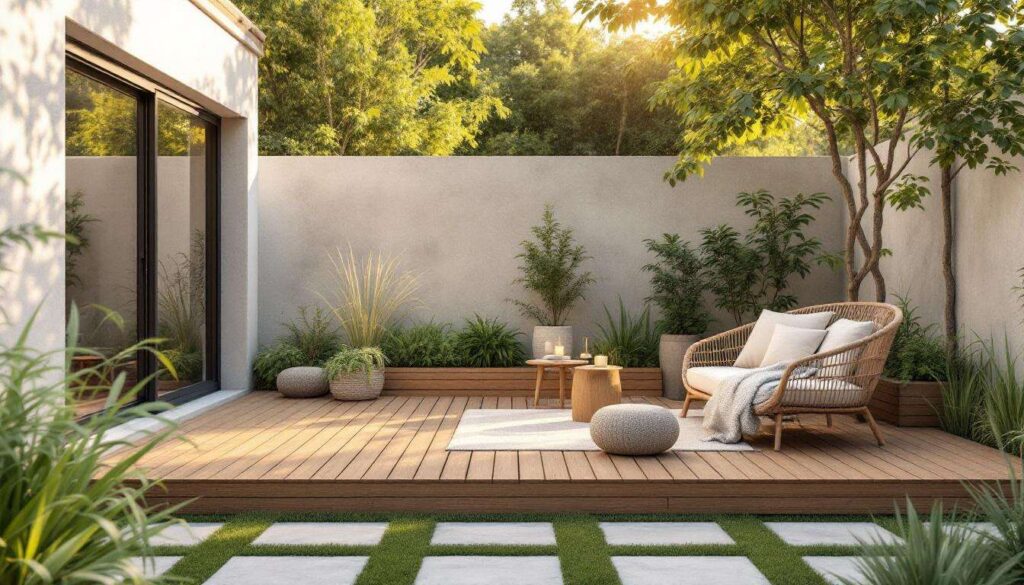
Contemporary garden design is experiencing a significant shift as homeowners seek spaces that blend simplicity with warmth. The warm minimalist approach has emerged as a refreshing alternative to stark aesthetics, prioritising natural textures and earthy tones that create outdoor environments which feel both modern and inviting. This design philosophy centres on carefully curated elements that promote tranquillity whilst maintaining functionality, transforming gardens into extensions of comfortable living spaces rather than purely decorative features.
Understanding warm minimalism in your garden
The philosophy behind warm minimalist design
Warm minimalism represents a deliberate departure from the austere black-accented Scandinavian aesthetic that previously dominated outdoor spaces. This evolving trend embraces simplicity without coldness, focusing on creating environments that feel serene yet welcoming. The core principle involves reducing visual clutter whilst introducing natural warmth through thoughtful material selection and restrained colour palettes.
The philosophy emphasises harmony between form and function, where every element serves a purpose whilst contributing to an overall sense of calm. Rather than filling spaces with numerous plants and ornaments, warm minimalism advocates for:
- Fewer but more impactful design elements
- Open spaces that encourage relaxation
- Natural materials that age gracefully
- Soft, earthy colour schemes
- Clean lines with organic textures
Distinguishing characteristics of the trend
What sets warm minimalism apart is its focus on natural material finishes and soft tones that create a modern yet calming atmosphere. Honey-coloured stone, raw timber, and weathered metals replace the stark contrasts of previous trends. This approach results in gardens that feel cohesive with their surroundings, promoting a sense of belonging rather than standing as isolated design statements.
The aesthetic achieves its distinctive character through careful attention to texture and tone, creating depth without complexity. This foundation of understanding naturally leads to the practical consideration of which materials best embody these principles.
Selecting natural materials and finishes
Wood selections for lasting beauty
Raw cedar has become a cornerstone material for warm minimalist gardens, particularly valued for its natural rot resistance and beautiful ageing process. Beginning as a reddish-brown colour, cedar weathers to elegant silver-grey tones over time, creating an evolving aesthetic that improves with age. This timber proves ideal for raised garden beds, decking, and boundary features where durability matters as much as appearance.
| Material | Initial colour | Weathered appearance | Primary uses |
|---|---|---|---|
| Raw cedar | Reddish-brown | Silver-grey | Decking, raised beds |
| Oak | Golden brown | Silvered tan | Furniture, pergolas |
| Larch | Warm honey | Pale grey | Cladding, screens |
Stone and mineral elements
Natural stone in honey and warm grey tones provides the perfect counterpoint to timber elements. Limestone, sandstone, and weathered granite create pathways, patios, and retaining walls that feel grounded and timeless. These materials develop character through weathering, acquiring moss and lichen that enhance rather than detract from their appeal.
Avoiding synthetic materials and overly polished finishes remains crucial. The goal is to select elements that appear as though they could have naturally occurred in the landscape, creating continuity between the designed space and its environment. With materials chosen, attention shifts to how these elements combine to create functional beauty.
Designing a functional and aesthetic outdoor space
Layout principles for minimalist gardens
Effective warm minimalist design requires careful spatial planning that balances openness with purpose. Each zone within the garden should serve a clear function whilst contributing to the overall sense of tranquillity. Consider creating distinct areas for dining, relaxation, and contemplation without physical barriers that fragment the space.
Key layout considerations include:
- Maximising natural light throughout different times of day
- Positioning seating to capture favourable views
- Creating clear circulation paths with minimal obstruction
- Allowing for seasonal variation in plant growth
- Incorporating weather-resistant elements that maintain clean aesthetics
Blurring indoor and outdoor boundaries
One of the most transformative aspects of warm minimalist design involves creating seamless transitions between interior and exterior spaces. Large sliding doors, floor-to-ceiling windows, and consistent flooring materials help dissolve traditional boundaries. This approach not only enhances visual appeal but also promotes a deeper connection to nature, allowing the garden to feel like an extension of living areas rather than a separate entity.
Level thresholds and matching colour palettes further reinforce this integration, making spaces feel larger and more cohesive. This philosophy of connection extends naturally to incorporating specific regional design influences that complement the minimalist approach.
Incorporating Scandinavian elements
Adapting Nordic principles with warmth
Whilst warm minimalism moves away from the stark black accents of traditional Scandinavian design, it retains the Nordic emphasis on functionality, quality craftsmanship, and connection to nature. The key lies in adapting these principles through warmer materials and softer colour palettes that create inviting rather than austere environments.
Scandinavian-inspired elements that work beautifully within warm minimalism include:
- Simple, well-crafted wooden furniture with clean lines
- Fire pits or outdoor heaters for extending seasonal use
- Textile elements in natural fibres for comfort
- Subtle lighting that enhances evening ambience
- Storage solutions that maintain visual simplicity
Balancing simplicity with comfort
The Scandinavian concept of hygge translates beautifully into warm minimalist gardens when interpreted through natural materials. Comfortable seating with cushions in linen or wool, throws for cooler evenings, and soft lighting create spaces that invite extended use. The goal is achieving comfort without clutter, where each element contributes to both function and atmosphere.
This focus on comfort and usability naturally connects to broader considerations of how gardens support overall health and relaxation.
Creating a wellbeing garden
Designing for mental and physical health
Warm minimalist gardens excel at promoting wellbeing through their emphasis on tranquillity and connection to natural elements. The reduced visual complexity helps lower stress levels, whilst the use of natural materials provides sensory experiences that ground and calm. Incorporating spaces for meditation, gentle exercise, or simply quiet contemplation supports mental health in increasingly busy lives.
Consider including:
- Sheltered seating areas for reflection
- Water features with gentle sounds
- Aromatic plants positioned near seating
- Smooth pathways suitable for barefoot walking
- Areas that capture morning or evening sun
Plant selection for calm environments
Plant choices in warm minimalist gardens favour structural simplicity over abundant variety. Ornamental grasses, architectural evergreens, and plants with interesting textures create visual interest without overwhelming the space. Limiting the colour palette to greens, silvers, and occasional warm tones maintains cohesion whilst allowing seasonal variation.
The restrained approach to planting ensures that the garden remains manageable, reducing maintenance stress whilst creating an environment that genuinely supports relaxation. These wellbeing principles can be further enhanced by drawing on traditional rural aesthetics.
Infusing a rustic farmhouse ambience
Combining rustic charm with modern simplicity
Integrating rustic farmhouse elements within warm minimalism creates gardens with character and history whilst maintaining clean aesthetics. Weathered timber planters, vintage metal containers, and reclaimed materials add personality without cluttering the space. The key lies in selecting pieces that feel authentic rather than contrived, allowing their natural patina to contribute to the overall warmth.
Effective rustic elements include:
- Reclaimed timber for raised beds or edging
- Galvanised metal containers for planting
- Stone troughs as water features
- Aged terracotta pots in restrained numbers
- Simple wooden benches with visible grain
Maintaining balance and restraint
The challenge when incorporating rustic elements lies in avoiding visual clutter that contradicts minimalist principles. Each piece should be carefully positioned and serve a clear purpose, whether functional or as a focal point. The farmhouse influence should feel subtle rather than dominant, contributing warmth and texture without overwhelming the clean lines that define the overall aesthetic.
This careful curation ensures that rustic touches enhance rather than compete with the natural materials and simple forms that characterise warm minimalism.
The warm minimalist garden trend offers a sustainable and aesthetically pleasing approach to outdoor design that prioritises natural materials, functional simplicity, and genuine comfort. By selecting appropriate timber and stone elements, designing thoughtful layouts that connect indoor and outdoor spaces, and incorporating influences from Scandinavian and rustic traditions with restraint, homeowners can create gardens that feel both contemporary and timeless. The emphasis on wellbeing, quality materials, and harmonious spaces results in outdoor environments that genuinely enhance daily life whilst requiring modest maintenance, making this trend both practical and enduring for modern living.