


The Royal Horticultural Society has unveiled its predictions for the most influential gardening movements set to shape outdoor and indoor spaces in the coming years. These forecasts reflect a significant shift towards sustainable practices, climate adaptation, and creative solutions for limited growing areas. From compact vegetable varieties designed for urban balconies to wildlife-friendly planting schemes, the emerging trends demonstrate how gardeners are responding to environmental challenges whilst maximising their enjoyment of cultivating plants. Understanding these developments offers valuable insights into the future direction of horticultural practices across the nation.
Table vegetables: an essential trend
Compact varieties for limited spaces
The rise of balcony and container gardening has prompted significant innovation in vegetable breeding. Gardeners are increasingly turning to specially developed varieties that thrive in confined environments. Popular choices include compact peppers, miniature aubergines, and cucumbers specifically bred for hanging baskets. These plants deliver impressive yields despite their reduced footprint, making them ideal for urban dwellers with limited outdoor space.
Climbing grapes measuring approximately 50 centimetres have emerged as particularly sought-after options for vertical gardening schemes. The appeal of these varieties lies in their ability to transform small balconies and patios into productive growing areas without compromising on harvest quality or quantity.
The surge in potted herb popularity
Sales of potted herbs have experienced remarkable growth, with figures showing a 10% increase compared to the previous year. This upward trend reflects several factors:
- Convenience of having fresh culinary herbs readily accessible
- Suitability for windowsills and small outdoor spaces
- Lower maintenance requirements compared to traditional vegetable gardens
- Year-round growing potential when kept indoors
This movement towards edible container gardening demonstrates how practical considerations are reshaping horticultural priorities, particularly as more people seek to grow their own food regardless of space constraints. The emphasis on productive plants naturally leads to exploring other crops gaining prominence in domestic gardens.
Blackcurrants: the new star of gardens
Rediscovering a traditional fruit
Blackcurrants are experiencing a renaissance among gardening enthusiasts who appreciate their nutritional benefits and versatility. Once a staple of British gardens, these berries are reclaiming their position as gardeners recognise their exceptional vitamin C content and culinary potential. The fruit’s adaptability to the British climate makes it an excellent choice for those seeking reliable harvests.
Cultivation advantages and uses
The renewed interest in blackcurrants stems from several practical benefits that align with contemporary gardening values:
| Advantage | Description |
|---|---|
| Climate resilience | Thrives in cooler temperatures typical of British weather |
| Low maintenance | Requires minimal intervention once established |
| Productivity | Generous yields from relatively compact bushes |
| Versatility | Suitable for jams, cordials, desserts, and freezing |
The growing appreciation for homegrown fruit extends beyond blackcurrants to encompass a broader integration of edible and ornamental plants throughout garden spaces.
Indoor and outdoor plants: a flourishing fusion
Breaking down traditional boundaries
The distinction between indoor and outdoor gardening is becoming increasingly blurred as enthusiasts adopt more flexible approaches to plant cultivation. This hybrid methodology allows gardeners to maximise growing seasons by moving containers between environments according to weather conditions and plant requirements. Tender species can be nurtured indoors during colder months before transitioning outside when temperatures permit.
Benefits of integrated plant care
This seamless approach to plant management offers numerous advantages for modern gardeners:
- Extended growing seasons for temperature-sensitive species
- Protection for vulnerable plants during extreme weather events
- Greater diversity in plant collections regardless of climate limitations
- Enhanced aesthetic continuity between interior and exterior spaces
- Improved plant health through optimised environmental conditions
The flexibility inherent in this approach resonates particularly well with those facing unpredictable weather patterns and supports experimentation with species that might otherwise prove challenging. This adaptable mindset extends to specific crops that have captured gardeners’ imaginations.
The popularity of garden tomatoes
A perennial favourite with renewed vigour
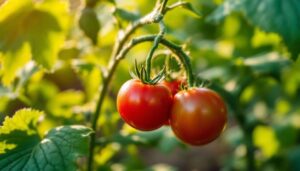
Tomatoes continue to dominate home vegetable gardens, with their popularity showing no signs of diminishing. The appeal lies in the vast difference between shop-bought and freshly harvested fruit, with homegrown tomatoes offering superior flavour and texture. Gardeners are exploring an ever-expanding range of varieties, from traditional beefsteaks to colourful heritage cultivars and sweet cherry types.
Cultivation innovations and variety selection
Modern tomato growing has evolved to accommodate various space constraints and skill levels. Container-friendly varieties enable balcony cultivation, whilst determinate bush types suit those with limited time for maintenance. The diversity available ensures that every gardener can find suitable options:
- Dwarf varieties for windowsills and small containers
- Cordon types for greenhouse cultivation and maximum yields
- Heritage varieties offering unique colours and flavours
- Disease-resistant cultivars for organic growing approaches
The satisfaction derived from nurturing tomatoes from seed to harvest exemplifies the rewarding nature of edible gardening. This connection to food production aligns with broader aesthetic movements influencing garden design.
Jungle inspiration: a lush vegetation
Creating tropical atmospheres in temperate climates
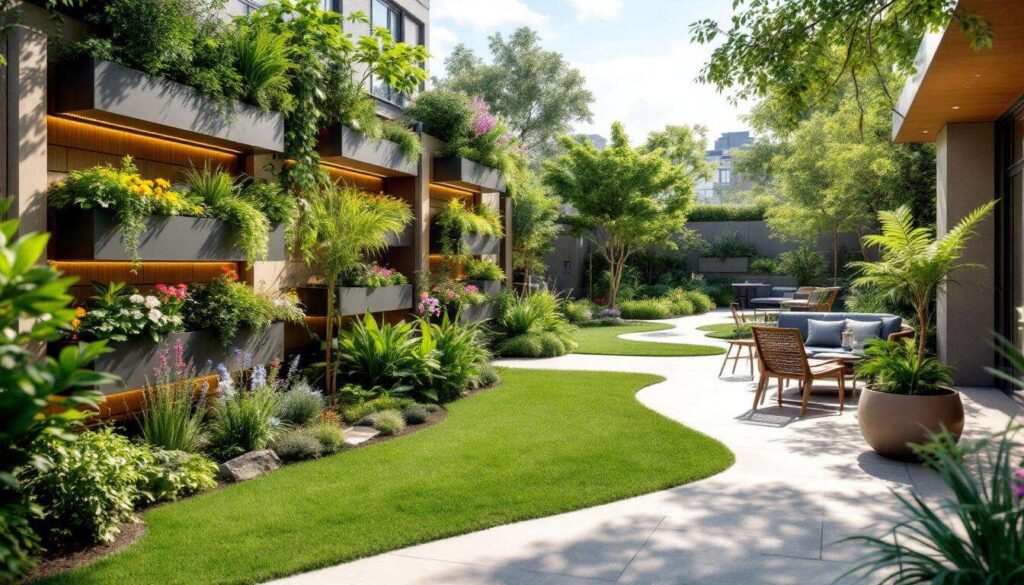
The jungle aesthetic has captivated gardeners seeking to create dramatic and immersive outdoor spaces. This trend emphasises bold foliage, layered planting, and the strategic use of architectural plants to evoke tropical environments. Large-leaved species such as bananas, cannas, and tree ferns provide instant impact, whilst hardy palms add vertical interest and exotic character.
Practical implementation strategies
Achieving a lush, jungle-inspired garden requires careful plant selection and thoughtful arrangement. The following elements contribute to successful implementation:
| Component | Key considerations |
|---|---|
| Foliage variety | Mix of textures, sizes, and shades of green |
| Layering | Multiple height levels from ground covers to canopy plants |
| Moisture | Water features or bog gardens to enhance atmosphere |
| Shelter | Protected positions for tender exotic species |
This bold approach to garden design demonstrates how aesthetic preferences can coexist with ecological considerations, particularly when plant selections support local wildlife.
Plants beneficial for pollinators
The importance of wildlife-friendly gardening
Supporting pollinators has become a central concern for environmentally conscious gardeners. The Royal Horticultural Society’s forthcoming campaign emphasises the critical role gardens play in providing habitat and food sources for bees, butterflies, and other beneficial insects. Research indicates that diversifying plant selections significantly enhances garden resilience to climate extremes whilst simultaneously supporting wildlife populations.
Creating effective pollinator habitats
Establishing a pollinator-friendly garden involves selecting plants that provide nectar and pollen throughout the growing season. Strategic planning ensures continuous flowering from early spring through late autumn:
- Spring bulbs such as crocuses and grape hyacinths for early pollinators
- Herbaceous perennials including salvias, echinaceas, and verbenas
- Native wildflowers that support specialist pollinator species
- Autumn-flowering sedums and asters for late-season sustenance
- Single-flowered varieties offering accessible pollen and nectar
Studies demonstrate that gardens incorporating diverse plant species can increase soil biodiversity by 30% compared to conventional approaches. This ecological benefit extends beyond pollinators to encompass broader ecosystem health, contributing to more sustainable gardening practices overall.
The gardening trends emerging for the coming years reflect a profound shift towards environmental responsibility and practical innovation. From compact vegetables designed for urban spaces to pollinator-friendly planting schemes, these movements demonstrate how horticultural practices are adapting to contemporary challenges. The integration of indoor and outdoor cultivation, renewed interest in traditional crops like blackcurrants, and the popularity of both productive tomatoes and dramatic jungle aesthetics reveal the diverse priorities shaping modern gardens. By embracing sustainable methods, supporting wildlife, and maximising limited spaces, gardeners are creating resilient, productive, and beautiful environments that respond thoughtfully to climate change whilst delivering personal satisfaction and ecological benefits.