



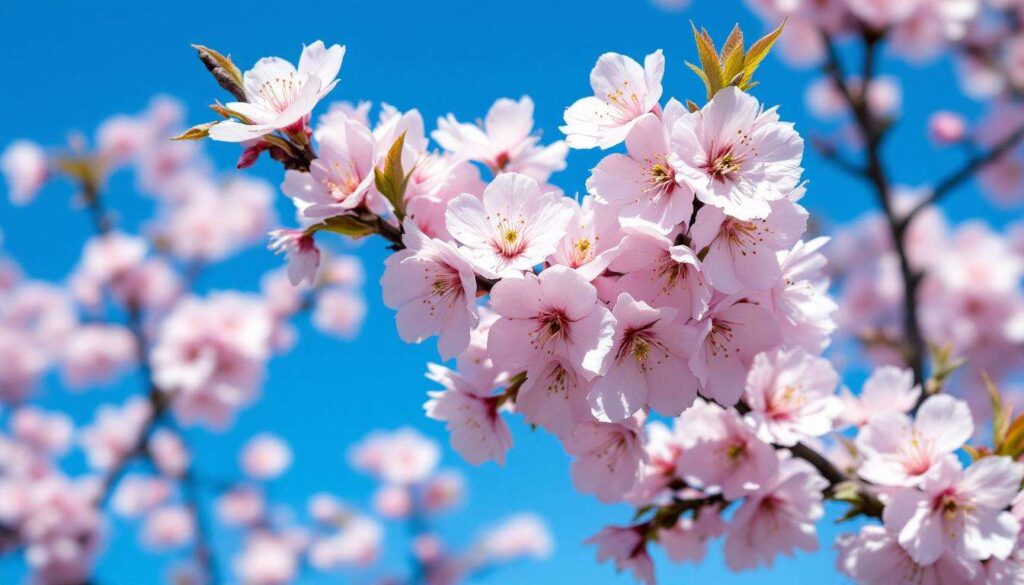
The arrival of spring brings with it one of nature’s most breathtaking spectacles: the delicate, fleeting beauty of cherry blossoms. For gardeners eager to transform their outdoor spaces into vibrant celebrations of colour, the time to act is now. Planting a cherry blossom tree during the dormant winter months sets the foundation for a stunning display that will captivate from late March through early May. With proper selection, planting techniques, and ongoing care, these ornamental trees can become the centrepiece of any garden, offering years of reliable blooms that herald the changing seasons.
Why plant a cherry blossom tree ?
Unmatched ornamental value
Cherry blossom trees provide exceptional visual impact that few other ornamental species can match. Their profuse blooms create clouds of colour ranging from pure white to deep pink, transforming gardens into enchanting landscapes for several weeks each spring. This dramatic seasonal display offers a striking contrast to the bare branches of winter, signalling renewal and vitality.
Cultural and symbolic significance
Beyond their aesthetic appeal, cherry blossoms carry profound cultural meaning. These trees symbolise the transient nature of life, with their brief but glorious flowering period serving as a reminder to appreciate beauty in the moment. This symbolism, rooted in centuries of tradition, adds a layer of contemplative depth to their presence in the garden.
Practical benefits for gardens
Cherry blossom trees offer numerous practical advantages:
- Relatively compact growth suitable for smaller gardens
- Seasonal interest beyond spring, with attractive foliage and bark
- Low maintenance requirements once established
- Ability to thrive in various UK climates with proper siting
- Potential to increase property value through enhanced kerb appeal
Understanding the specific characteristics of different cherry varieties helps gardeners select the most suitable options for their particular needs and growing conditions.
Best varieties of cherry trees for your garden
Kanzan: the classic choice
Kanzan remains one of the most popular ornamental cherry varieties for good reason. This cultivar produces abundant double pink flowers that create a spectacular display in mid to late spring. Its upright, vase-shaped growth habit makes it ideal for medium-sized gardens, typically reaching heights of 8-10 metres at maturity. The bronze-tinted young foliage provides additional interest before transitioning to green, then developing attractive autumn tones.
Autumnalis: extended flowering period
For gardeners seeking prolonged seasonal interest, Autumnalis offers a unique advantage. This variety produces semi-double white or pale pink flowers intermittently throughout the winter months during mild spells, with a more concentrated display in early spring. This extended flowering window provides colour when few other plants are blooming, making it particularly valuable in winter gardens.
Additional recommended varieties
| Variety | Flower colour | Bloom time | Mature height |
|---|---|---|---|
| Prunus ‘Amanogawa’ | Pale pink | Mid-spring | 6-8 metres |
| Prunus ‘Shirotae’ | Pure white | Early spring | 4-6 metres |
| Prunus ‘Kiku-shidare-zakura’ | Deep pink | Mid-spring | 3-4 metres |
Selecting the appropriate variety depends on available space, desired flowering period, and colour preferences, but timing the planting correctly remains equally crucial for success.
When to plant your cherry tree for successful blooming
Optimal planting window
The period from November through March represents the ideal timeframe for planting cherry blossom trees, particularly bare-root specimens. During these dormant months, trees experience minimal stress from transplanting, allowing them to establish robust root systems before the demands of spring growth commence. This foundation proves essential for supporting the spectacular blooms that will emerge in subsequent seasons.
Why winter planting succeeds
Winter planting offers several distinct advantages:
- Dormant trees allocate energy to root development rather than foliage
- Cooler temperatures reduce transplant shock
- Natural rainfall typically provides adequate moisture
- Soil remains workable in most UK regions during mild winters
- Trees gain a full growing season to establish before their first bloom
Container-grown flexibility
While bare-root trees require winter planting, container-grown specimens offer greater flexibility. These can be planted throughout the year, provided the ground isn’t frozen or waterlogged. However, autumn and winter planting still provides the best establishment conditions, giving trees maximum time to develop before facing summer heat stress.
Once the optimal timing has been identified, attention must turn to the practical aspects of ensuring proper planting technique.
Tips for properly planting your cherry blossom tree
Site selection and preparation
Choosing the right location determines long-term success. Cherry blossom trees require full sun exposure for at least six hours daily, preferably in a sheltered position protected from harsh winds. The ideal site features fertile, well-drained soil with a neutral to slightly acidic pH. Avoid frost pockets where late spring frosts might damage emerging blooms.
Planting procedure step-by-step
Proper planting technique ensures optimal establishment:
- Dig a hole approximately 60 centimetres wide and deep
- Break up compacted soil at the base to encourage root penetration
- Mix excavated soil with generous amounts of well-rotted compost
- Soak bare-root specimens in water for several hours before planting
- Position the tree so the soil mark on the stem aligns with ground level
- Backfill carefully, firming soil gently to eliminate air pockets
- Install a sturdy stake on the windward side, securing with flexible ties
- Apply a 5-7 centimetre layer of mulch around the base, keeping it clear of the trunk
- Water thoroughly immediately after planting
Initial watering requirements
During the first year, weekly watering proves essential, particularly during dry spells. Newly planted trees lack extensive root systems to access deep moisture reserves, making them vulnerable to drought stress. Apply approximately 10-15 litres per watering session, ensuring moisture penetrates deeply rather than remaining superficial.
With the tree successfully established in the ground, ongoing maintenance becomes the focus for ensuring healthy development and abundant flowering.
Cherry tree care and maintenance: ensuring good growth
Watering and feeding schedules
Beyond the critical first year, established cherry trees generally tolerate drought conditions reasonably well. However, supplemental watering during extended dry periods supports optimal growth and flowering. Apply a balanced slow-release fertiliser in early spring to provide nutrients throughout the growing season, avoiding excessive nitrogen that promotes foliage at the expense of blooms.
Pruning considerations
Cherry blossom trees require minimal pruning, but timing proves crucial. Avoid winter pruning entirely, as cuts made during dormancy create entry points for silver leaf disease and bacterial canker. Instead, undertake any necessary shaping immediately after flowering in late spring or early summer when the tree’s natural defences are most active. Remove only dead, damaged, or crossing branches.
Disease prevention strategies
| Condition | Symptoms | Prevention |
|---|---|---|
| Silver leaf | Silvery sheen on foliage | Prune only in summer; seal cuts |
| Bacterial canker | Sunken bark lesions | Avoid winter wounds; improve drainage |
| Blossom wilt | Brown, withered flowers | Remove affected blooms promptly |
For those seeking inspiration beyond their own gardens, numerous public spaces showcase these magnificent trees at their peak.
Where to admire cherry blossoms in the UK
Notable public collections
The UK hosts several exceptional cherry blossom displays that attract visitors each spring. Kew Gardens in London features extensive collections representing numerous varieties, whilst the Royal Botanic Garden Edinburgh showcases specimens suited to cooler climates. Batsford Arboretum in Gloucestershire contains one of the largest collections outside Japan, with over 50 different cultivars creating waves of colour throughout spring.
Urban viewing opportunities
Many city parks incorporate cherry trees into their planting schemes:
- Greenwich Park offers stunning vistas combining blossoms with historic architecture
- Alexandra Palace in North London features avenues lined with mature specimens
- The Meadows in Edinburgh provides accessible viewing in a central location
- Cannon Hill Park in Birmingham showcases diverse varieties
Peak viewing periods
Cherry blossom viewing typically commences in late March, reaching peak intensity during the first two weeks of April in most UK regions. Northern locations may experience slightly later flowering, extending into mid-April. The blooms generally persist for three to four weeks, though this varies with weather conditions. Warm, calm conditions prolong the display, whilst wind and heavy rain can shorten it considerably.
Planting a cherry blossom tree represents an investment in years of springtime beauty. By selecting appropriate varieties, planting during the optimal winter window, and providing proper care, gardeners create spectacular seasonal displays that transform outdoor spaces. Whether choosing the classic appeal of Kanzan or the extended interest of Autumnalis, these ornamental trees deliver reliable colour and cultural significance that enriches any landscape for generations to come.