



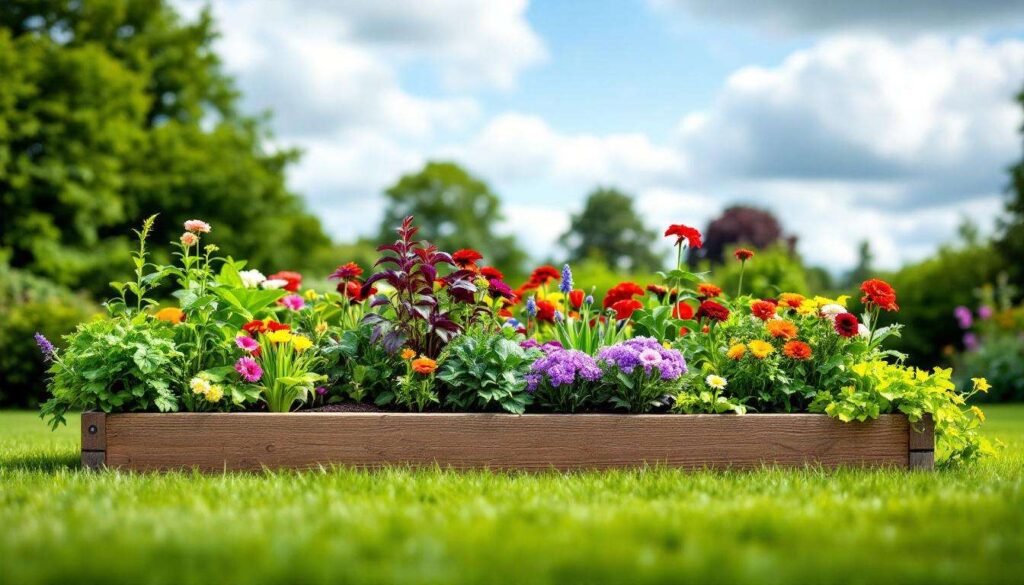
Sloped lawns present unique opportunities for UK gardeners willing to embrace creative solutions. Rather than viewing gradient terrain as an obstacle, transforming it with raised bed systems can enhance both productivity and visual appeal whilst addressing drainage and erosion concerns that naturally accompany inclined landscapes.
Understanding the importance of raised beds for sloped gardens
Managing water flow and soil erosion
Sloped gardens face significant water management challenges as rainfall naturally cascades downhill, potentially washing away topsoil and nutrients. Raised beds constructed perpendicular to the slope create natural barriers that slow water movement, allowing proper absorption whilst preventing erosion. This terracing effect transforms problematic runoff into an advantage by distributing moisture more evenly across planting areas.
The elevated structure of raised beds also improves soil drainage in areas where water might otherwise pool. By creating distinct planting zones at varying heights, gardeners can accommodate plants with different moisture requirements, positioning water-loving species lower down whilst drought-tolerant varieties occupy higher positions.
Improving accessibility and reducing physical strain
Working on steep slopes traditionally requires awkward positioning and considerable physical effort. Raised beds address these concerns by:
- Creating level planting surfaces that eliminate the need to work at uncomfortable angles
- Reducing bending and kneeling through elevated growing heights
- Providing stable platforms for safe movement across the garden
- Establishing clear pathways between beds for easier maintenance access
These accessibility improvements make sloped gardening viable for individuals with mobility limitations whilst reducing strain for all gardeners regardless of fitness level.
Enhancing soil quality and growing conditions
Raised beds allow complete control over soil composition, particularly valuable on slopes where existing soil may be shallow, compacted, or of poor quality. Gardeners can fill beds with custom blends optimised for specific crops, incorporating organic matter and ensuring proper pH levels without the limitations of native ground conditions.
Beyond soil quality, the materials used for constructing raised beds naturally address the practical considerations of selecting appropriate building components.
Choosing the right materials for your raised planters
Timber options for natural aesthetics
Timber remains the most popular choice for raised bed construction, offering versatility and visual warmth. Pressure-treated softwood provides affordability and reasonable longevity, whilst hardwoods like oak or sweet chestnut deliver superior durability without chemical treatments. Railway sleepers create substantial, long-lasting structures particularly suited to retaining soil on steeper gradients.
| Material | Lifespan | Cost | Best Use |
|---|---|---|---|
| Pressure-treated pine | 10-15 years | Low | Gentle slopes, budget projects |
| Oak or chestnut | 20-25 years | High | Permanent installations |
| Railway sleepers | 15-20 years | Medium | Steep slopes, terracing |
When selecting timber, ensure treatments are safe for edible crops and consider that wood will weather naturally, developing character over time.
Durable alternatives for longevity
Stone, brick, and concrete blocks offer exceptional permanence for sloped gardens. Dry stone walling provides excellent drainage whilst creating habitat niches for beneficial insects. Brick structures deliver formal aesthetics suited to traditional garden designs, whilst concrete blocks offer cost-effective strength for substantial terracing projects.
Metal raised beds constructed from galvanised steel or corten steel present modern alternatives with minimal maintenance requirements. These materials withstand weathering exceptionally well, though metal conducts heat more readily than timber, requiring consideration in plant selection and positioning.
Composite and recycled materials
Composite lumber manufactured from recycled plastics and wood fibres combines environmental benefits with practical advantages including rot resistance and consistent dimensions. These materials suit gardeners seeking low-maintenance solutions, though initial costs typically exceed traditional timber.
The materials selected directly influence how beds can be arranged to maximise the slope’s potential through thoughtful design approaches.
Designing multi-level raised beds
Creating terraced systems
Terracing transforms steep slopes into manageable growing platforms by constructing a series of level beds at descending heights. Each terrace should measure between 60-120cm wide, providing comfortable reach whilst maximising planting area. The vertical faces between levels can range from 30-60cm depending on slope severity and structural materials.
Key design considerations include:
- Ensuring adequate depth for root development, typically 30-45cm minimum
- Maintaining consistent terrace widths for visual harmony
- Incorporating steps or pathways for safe access between levels
- Planning drainage routes to prevent water accumulation
Incorporating curves and flowing layouts
Rather than rigid rectangular arrangements, curved terraces following the slope’s natural contours create softer, more organic aesthetics. Curved designs also reduce the visual impact of retaining structures whilst potentially offering greater stability by distributing soil pressure more evenly.
Flowing layouts work particularly well in informal cottage garden styles, allowing plants to spill over edges and soften hard boundaries between levels.
Integrating pathways and access points
Functional pathway systems prove essential for maintaining multi-level gardens. Materials such as gravel, bark chips, or stepping stones create defined routes whilst complementing raised bed aesthetics. Pathways should maintain gentle gradients where possible, incorporating steps only when necessary and ensuring adequate width for wheelbarrow access.
Strategic placement of access points at each level facilitates efficient garden management, though the effectiveness of any design ultimately depends upon selecting appropriate plants for the challenging conditions slopes present.
Selecting ideal plants for steep slopes
Vegetables suited to raised bed cultivation
Many productive vegetables thrive in raised bed environments on slopes. Salad crops including lettuce, rocket, and spinach perform excellently in shallower beds positioned for easy harvesting. Root vegetables such as carrots, beetroot, and radishes benefit from the improved soil structure raised beds provide, developing straight, well-formed roots.
Climbing crops maximise vertical space effectively:
- Runner beans and climbing French beans trained on supports
- Peas utilising netting or trellis systems
- Courgettes and squash cascading down slopes
- Tomatoes staked or supported in cages
Position heat-loving crops like tomatoes, peppers, and aubergines on south-facing slopes where they receive maximum sunlight and warmth.
Ornamental plants for visual impact
Flowering perennials and shrubs transform sloped raised beds into stunning focal points. Lavender, rosemary, and thyme suit sunny, well-drained positions whilst providing culinary benefits. Ornamental grasses add movement and texture, their root systems helping stabilise soil.
For shaded slopes, hostas, ferns, and astilbes deliver reliable performance with minimal maintenance. Spring bulbs planted in layers create early season interest, followed by summer-flowering perennials and autumn sedums for extended seasonal appeal.
Ground cover plants for erosion control
Strategic use of spreading plants between raised beds helps bind soil and suppress weeds. Creeping thyme, ajuga, and vinca minor create dense mats that prevent erosion whilst requiring little intervention once established. These plants soften hard edges and create visual continuity across the sloped landscape.
Successful plant establishment relies heavily upon implementing appropriate irrigation strategies tailored to sloped conditions.
Effective watering techniques for sloped gardens
Installing drip irrigation systems
Drip irrigation delivers precise water application directly to plant roots, minimising waste through runoff or evaporation. Systems designed for slopes should incorporate pressure-compensating emitters ensuring consistent water delivery across varying elevations. Positioning drip lines along the uphill edge of each bed allows gravity to assist distribution whilst preventing erosion.
Automated timers enable regular watering schedules particularly valuable during dry periods, though manual override capabilities allow adjustment for rainfall and seasonal variations.
Mulching strategies for moisture retention
Applying organic mulches including compost, bark chips, or straw reduces water evaporation whilst gradually improving soil structure. Mulch layers of 5-8cm thickness prove most effective, though avoid direct contact with plant stems to prevent rot.
On steeper sections, consider:
- Using heavier mulch materials less prone to washing away
- Creating small depressions around individual plants to capture water
- Incorporating water-retaining crystals in planting holes for moisture-sensitive species
Harvesting and redirecting rainwater
Water butts positioned at various levels collect roof runoff for irrigation purposes, reducing mains water consumption whilst providing chlorine-free water plants prefer. Connecting multiple containers with overflow pipes creates cascading systems that maximise storage capacity.
Swales or shallow channels dug along contours capture and slowly release rainfall, allowing gradual soil absorption rather than rapid runoff. These features integrate naturally into sloped designs whilst providing practical water management benefits.
Beyond functional considerations, thoughtful planning ensures sloped gardens achieve their full aesthetic and productive potential.
Maximising space and aesthetics of your sloped garden
Vertical growing techniques
Exploiting vertical dimensions dramatically increases growing capacity without expanding footprint. Trellis systems attached to raised bed backs support climbing plants whilst creating privacy screens or decorative features. Wall-mounted planters, hanging baskets, and tiered stands add further planting opportunities, particularly valuable in compact sloped spaces.
Vertical elements also draw the eye upward, creating visual interest and making gardens appear larger than actual dimensions suggest.
Colour coordination and seasonal planning
Thoughtful colour schemes enhance visual cohesion across multiple levels. Repeating signature plants at intervals creates rhythm, whilst graduating colours from warm tones at higher elevations to cool shades lower down guides the eye naturally through the space. Planning for sequential blooming ensures continuous interest throughout growing seasons.
Incorporating decorative features
Ornamental elements including sculptures, water features, or architectural plants positioned strategically create focal points that anchor designs. Lighting extends enjoyment into evening hours, highlighting specimen plants and illuminating pathways for safety.
Seating areas carved into terraces provide restful vantage points for appreciating garden achievements whilst offering practical spaces for contemplation and relaxation.
Sloped lawns transformed through raised bed gardening become distinctive landscapes combining productivity with beauty. The techniques outlined address practical challenges whilst unlocking creative possibilities unique to gradient terrain. From material selection through plant choices to irrigation strategies, each element contributes to sustainable, manageable gardens that celebrate rather than conceal their sloping character. With careful planning and ongoing refinement, these challenging sites evolve into rewarding spaces delivering abundant harvests and year-round visual pleasure.