



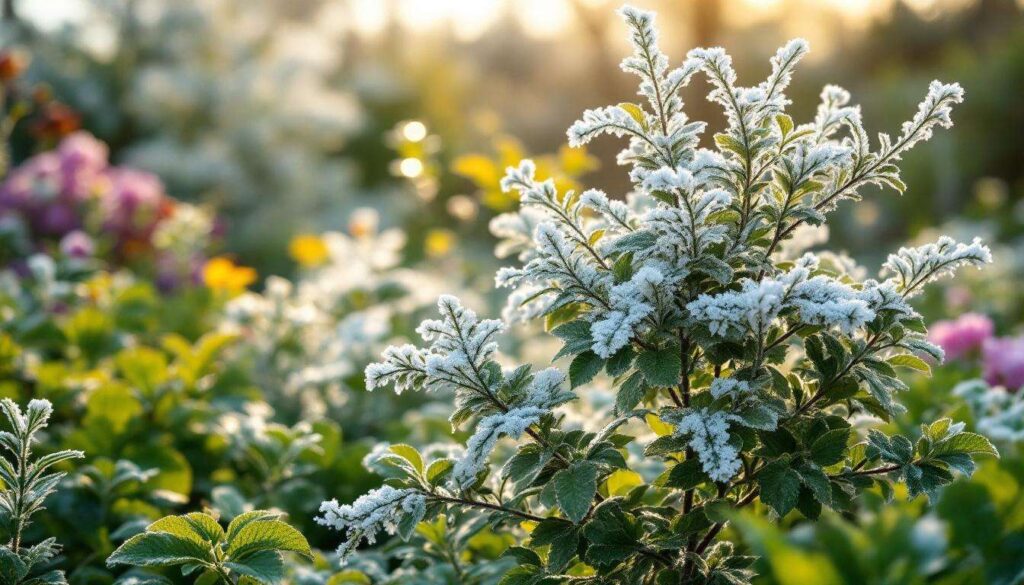
Frost damage remains one of the most perplexing challenges for gardeners, particularly when shrubs display symptoms of burning and tissue damage despite thermometers registering temperatures above freezing. This phenomenon, which confounds both amateur and experienced horticulturists, stems from complex physiological and environmental interactions that extend beyond simple air temperature readings. Understanding these mechanisms proves essential for protecting valuable ornamental plants throughout the colder months.
Understanding frost: mechanisms and effects on shrubs
The science behind frost formation
Frost develops through a process of ice crystallisation that occurs when water vapour in the air transitions directly into ice crystals on surfaces. This phenomenon, known as deposition, typically happens when surface temperatures fall below the dew point and reach freezing levels. For shrubs, the critical factor involves not merely ambient air temperature but rather the surface temperature of plant tissues, which can differ significantly from official meteorological readings taken at standard heights.
The formation of ice crystals within plant cells triggers a cascade of damaging effects. As water freezes, it expands, rupturing cell membranes and disrupting cellular structures. Additionally, the freezing process draws water from surrounding cells through osmotic pressure, leading to severe dehydration even whilst ice remains present in tissues.
Types of frost affecting garden shrubs
Garden specialists distinguish between several frost categories, each presenting distinct threats:
- Radiation frost: occurs on clear, calm nights when heat radiates from the ground surface into the atmosphere, causing ground-level temperatures to plummet whilst air temperatures remain higher
- Advection frost: results from cold air masses moving into an area, typically accompanied by wind
- Hoar frost: the visible white coating that forms when water vapour freezes directly onto surfaces
- Black frost: a particularly insidious form occurring without visible ice formation, damaging plant tissues through dehydration in dry, cold conditions
Each frost type presents unique challenges, with radiation frost proving especially problematic for low-growing shrubs positioned close to the cooling ground surface. These varying mechanisms explain why damage patterns differ substantially between frost events, even when air temperatures appear similar.
Factors influencing the sensitivity of shrubs
Varietal and genetic predisposition
Different shrub species exhibit vastly different cold hardiness levels based on their evolutionary origins and genetic makeup. Mediterranean natives such as lavender and rosemary possess limited frost tolerance compared to species originating from temperate or boreal regions. This genetic programming determines the temperature threshold at which cellular damage begins, alongside the plant’s ability to undergo cold acclimation—a gradual physiological adjustment to decreasing temperatures.
Physiological state and growth stage
The vulnerability of shrubs fluctuates dramatically throughout their annual cycle. New growth emerging in spring contains high water content and lacks the protective mechanisms of mature tissues, making it exceptionally susceptible to frost damage. Similarly, shrubs that have not properly hardened off before winter—a process requiring gradual exposure to cooling temperatures—remain at heightened risk.
| Growth stage | Vulnerability level | Primary risk factors |
|---|---|---|
| Dormant woody tissue | Low | Established cold tolerance |
| Swelling buds | Moderate | Increased metabolic activity |
| New shoots and leaves | Very high | High water content, thin cell walls |
| Flowering stage | Extremely high | Delicate tissues, reproductive investment |
Environmental and cultural conditions
The health status of shrubs directly influences their frost resistance. Plants experiencing water stress, nutrient deficiencies, or pest damage possess compromised defence mechanisms. Additionally, cultural practices affect vulnerability: excessive nitrogen fertilisation in late summer promotes soft, sappy growth that cannot adequately harden before winter arrives.
Site-specific microclimates also play crucial roles. Shrubs positioned in frost pockets—low-lying areas where cold air accumulates—face greater exposure than those on slopes where cold air drains away. Similarly, proximity to buildings, walls, or evergreen windbreaks can provide several degrees of protection through radiated heat and wind reduction.
These multiple interacting factors create a complex matrix of vulnerability that extends well beyond simple temperature thresholds, setting the stage for understanding why damage occurs at seemingly benign temperatures.
Critical temperatures: why shrubs freeze above 0°C
The disparity between air and surface temperatures
Official temperature measurements, taken in standardised weather stations at heights of 1.2 to 2 metres above ground level in ventilated shelters, frequently fail to reflect conditions at plant level. On clear, calm nights, radiative cooling causes ground surfaces and low vegetation to reach temperatures substantially below ambient air readings. This differential can easily amount to 3-5°C, meaning shrub foliage may experience temperatures of -3°C whilst meteorological stations record +2°C.
Supercooling and ice nucleation
Plant tissues can remain liquid below 0°C through a phenomenon called supercooling, where pure water remains unfrozen at sub-zero temperatures in the absence of nucleation sites. However, this metastable state proves precarious: any disturbance, impurity, or ice-nucleating bacteria can trigger rapid crystallisation, causing instantaneous freezing and severe cellular damage. Some shrubs can supercool to -5°C or lower, but once freezing initiates, damage occurs swiftly and extensively.
Wind chill and evaporative cooling
Moving air accelerates heat loss from plant surfaces through convection whilst simultaneously increasing transpirational water loss. This dual effect means that shrubs exposed to even moderate winds during cold periods experience effective temperatures far below still-air readings. The evaporative cooling from continued transpiration—which persists even during winter in evergreen species—can depress leaf surface temperatures by several degrees, pushing tissues into damaging temperature ranges despite positive air temperatures.
Understanding these physical principles illuminates why temperature thresholds prove unreliable predictors of frost damage, leading naturally to the question of how gardeners can recognise when damage has occurred.
Recognising frost symptoms in plants
Immediate visible indicators
Frost-damaged shrub tissues typically display characteristic symptoms within hours to days of exposure. Water-soaked appearance represents the most immediate sign, as ruptured cells leak their contents into intercellular spaces. Affected leaves, shoots, and flowers appear darkened, translucent, and limp. As damaged tissues desiccate, they transition to brown or black discolouration, often with clearly demarcated boundaries between healthy and injured areas.
Delayed and secondary symptoms
Some frost damage manifestations emerge only after days or weeks:
- Bark splitting: longitudinal cracks in stems resulting from ice expansion within woody tissues
- Dieback: progressive death of shoot tips and branches as vascular damage prevents water transport
- Leaf drop: premature shedding of damaged foliage, even in evergreen species
- Distorted growth: emerging leaves displaying puckering, curling, or asymmetric development due to damaged meristematic tissues
- Reduced flowering: loss of flower buds or failure of damaged buds to develop properly
Distinguishing frost damage from other problems
Accurate diagnosis requires differentiating frost injury from superficially similar conditions. Fungal diseases typically produce irregular, spreading lesions rather than the uniform tissue death characteristic of frost. Drought stress causes gradual wilting and browning, contrasting with the sudden collapse of frost-damaged tissues. The timing of symptom appearance—immediately following cold nights—provides crucial diagnostic evidence.
Once damage has been identified, attention must turn to protective measures that can prevent future occurrences.
Prevention strategies to protect your shrubs
Site selection and microclimate management
Positioning shrubs appropriately represents the most effective long-term protection strategy. Avoiding frost pockets and exposed locations reduces risk substantially. Creating windbreaks using fencing, hedging, or strategically placed structures moderates temperature extremes whilst reducing wind chill effects. South-facing walls provide radiated warmth and advance spring growth, though this can paradoxically increase risk by promoting early development vulnerable to late frosts.
Physical protection methods
Temporary protective measures prove invaluable during critical periods:
- Horticultural fleece: lightweight fabric draped over shrubs traps radiated heat whilst allowing moisture transmission
- Cloches and frames: rigid structures providing robust protection for individual specimens
- Mulching: thick organic layers insulate root zones and moderate soil temperature fluctuations
- Anti-transpirant sprays: waxy coatings reduce water loss and provide minor temperature buffering
Cultural practices enhancing cold hardiness
Appropriate plant husbandry throughout the growing season builds inherent frost resistance. Avoiding late-season nitrogen fertilisation prevents soft growth production, whilst ensuring adequate potassium levels strengthens cell walls and enhances cold tolerance. Maintaining consistent soil moisture through autumn supports proper hardening whilst preventing the stress that compromises defensive mechanisms. Pruning timing matters significantly: spring pruning removes frost-damaged tissues without stimulating vulnerable new growth before winter.
Despite best preventative efforts, frost damage occasionally occurs, necessitating appropriate recovery interventions.
Helping shrubs recover after frost episodes
Immediate post-frost care
Counterintuitively, avoiding hasty intervention often serves plants best. Resist the temptation to prune damaged tissues immediately, as this stimulates new growth vulnerable to subsequent frosts. Instead, allow shrubs to reveal the full extent of damage over several weeks. Providing gentle irrigation during dry periods supports recovery without promoting excessive soft growth.
Remedial pruning and assessment
Once danger of further frost has passed and new growth commences, carefully remove dead and damaged tissues. Cut back to healthy wood identified by green cambium beneath the bark, making clean cuts just above outward-facing buds. Severely damaged shrubs may require hard pruning to ground level, allowing regeneration from protected basal buds.
Supporting regeneration
Recovery requires energy and resources. Apply balanced fertiliser at moderate rates to support regrowth without forcing excessive vulnerable shoots. Maintain consistent moisture levels and consider applying dilute seaweed-based tonics that provide trace elements and growth-promoting compounds. Monitor recovering shrubs for opportunistic pest and disease problems that exploit weakened plants.
Frost damage, whilst distressing, rarely proves fatal to established shrubs. Patient, appropriate intervention typically results in full recovery within one or two growing seasons, restoring ornamental value and plant health.
The vulnerability of shrubs to frost damage at temperatures above freezing stems from complex interactions between plant physiology, microclimate conditions, and environmental factors. Surface temperatures diverging from air readings, radiative cooling effects, and wind chill combine to create damaging conditions despite seemingly benign thermometer readings. Recognition of frost symptoms enables appropriate responses, whilst preventative strategies including careful site selection, physical protection, and cultural practices substantially reduce risk. When damage occurs, patient recovery support allows most shrubs to regenerate successfully, underscoring the importance of understanding these mechanisms for effective garden management throughout the year.