


The custard apple, known botanically as cherimoya, offers gardeners an opportunity to cultivate an exotic fruit tree from seed with relative ease. This tropical delicacy, prized for its creamy texture and sweet flavour, can be successfully grown in temperate climates with proper attention to germination techniques. Understanding the specific requirements for seed preparation, environmental conditions, and nurturing methods ensures a rewarding cultivation experience that transforms simple seeds into productive fruit-bearing trees.
Introduction to the cherimoya: a fruit with multiple benefits
Botanical characteristics and origin
The cherimoya (Annona cherimola) originates from the mountainous regions of South America, particularly Peru and Ecuador, where it thrives at elevations between 1,400 and 2,000 metres. This deciduous tree belongs to the Annonaceae family, sharing lineage with other notable species such as soursop and sugar apple. The tree typically reaches heights of 5 to 9 metres when mature, producing heart-shaped fruits with distinctive scale-like skin patterns.
Nutritional profile and health advantages
Cherimoya fruits deliver an impressive array of essential nutrients that contribute to overall wellbeing. The flesh contains substantial quantities of vitamin C, supporting immune function and collagen production. Additionally, the fruit provides:
- Potassium for cardiovascular health and blood pressure regulation
- Dietary fibre promoting digestive health
- B-complex vitamins supporting metabolic processes
- Antioxidants protecting against cellular damage
- Magnesium contributing to bone health
Culinary applications and flavour profile
The creamy, custard-like texture of cherimoya flesh has earned it recognition as one of the world’s finest fruits. Its flavour combines notes of pineapple, banana, and strawberry, creating a unique taste experience. The fruit is typically consumed fresh, scooped directly from the skin, though it also features in smoothies, ice creams, and desserts throughout tropical regions.
Understanding these fundamental characteristics provides essential context for successfully cultivating this remarkable species from seed.
Preparing cherimoya seeds for germination
Selecting suitable fruit sources
Successful germination begins with proper fruit selection. Choose fully ripened cherimoya fruits that yield slightly to gentle pressure, indicating optimal seed maturity. Avoid hybrid varieties if seeking plants that remain true to species characteristics. Organically grown fruits generally provide seeds with higher viability rates, as they have not been exposed to growth inhibitors or chemical treatments.
Extraction and cleaning procedures
The extraction process requires careful attention to remove germination inhibitors present in the fruit pulp. Follow these steps:
- Cut the fruit lengthwise and gently scoop out the seeds
- Place seeds in a fine-mesh strainer
- Rinse thoroughly under lukewarm running water
- Rub seeds gently to remove all pulp residue
- Continue rinsing until seeds feel completely clean
Drying and storage considerations
After cleaning, seeds require appropriate drying to prevent fungal development. Spread seeds on absorbent paper in a shaded location with good air circulation. Allow 2 to 3 days for surface moisture to evaporate. Direct sunlight exposure during this phase significantly reduces viability, potentially damaging the embryo within each seed. Seeds intended for immediate planting need only surface drying, whilst those stored for later use should be kept in breathable paper envelopes in cool, dry conditions.
With seeds properly prepared, attention turns to creating the environmental conditions necessary for successful sprouting.
Ideal conditions for cherimoya germination
Temperature requirements
Cherimoya seeds demonstrate temperature sensitivity during germination, requiring consistent warmth for optimal results. Maintain soil temperatures between 20°C and 25°C throughout the germination period. Temperatures below 18°C significantly slow the process, whilst those exceeding 28°C may damage developing embryos. A heated propagation mat provides reliable temperature control, particularly in cooler climates or during winter months.
Soil composition and drainage
The growing medium plays a crucial role in germination success rates. Prepare a substrate that balances moisture retention with adequate drainage:
| Component | Proportion | Purpose |
|---|---|---|
| Sterilised potting compost | 50% | Nutrient base and structure |
| Perlite or vermiculite | 30% | Drainage and aeration |
| Coconut coir | 20% | Moisture retention |
Sterilisation of the growing medium prevents fungal diseases that commonly affect young seedlings, particularly damping-off disease which proves fatal to emerging plants.
Moisture and humidity levels
Maintaining consistent moisture without waterlogging represents a delicate balance. The substrate should remain slightly moist to the touch, similar to a wrung-out sponge. Excessive water creates anaerobic conditions that rot seeds, whilst insufficient moisture prevents the softening of seed coats necessary for germination. Covering containers with transparent plastic creates a humid microclimate, though ventilation holes prevent condensation buildup and fungal growth.
These environmental parameters established, specific germination techniques can be employed to maximise success.
Effective methods for germinating cherimoya seeds
Direct sowing technique
The straightforward approach involves planting seeds directly into prepared containers. Fill pots measuring 10 to 15 centimetres in diameter with the prepared substrate. Plant seeds horizontally at a depth of 2 centimetres, as this orientation facilitates root and shoot emergence. Space multiple seeds at least 5 centimetres apart. Water gently using a fine spray to avoid displacing seeds, then place containers in a warm location with indirect light.
Pre-soaking method
Pre-soaking softens the seed coat, potentially reducing germination time. Submerge cleaned seeds in lukewarm water for 24 to 48 hours, changing the water every 12 hours. Seeds that float typically lack viable embryos and should be discarded. Following soaking, plant immediately using the direct sowing technique described above.
Scarification approach
For particularly hard seed coats, gentle scarification breaks dormancy. Carefully nick the seed coat with a sharp blade or rub lightly with fine sandpaper, taking care not to damage the internal embryo. This technique creates an entry point for moisture, accelerating the germination process. However, excessive scarification risks seed damage, so apply this method conservatively.
Expected germination timeline
Patience proves essential when growing cherimoya from seed. Germination typically occurs within these timeframes:
- Optimal conditions: 3 to 6 weeks
- Standard conditions: 2 to 4 months
- Suboptimal conditions: 6 to 12 months
- Some seeds may remain dormant indefinitely
Once seedlings emerge, their care requirements shift towards supporting healthy growth and development.
Advice for planting and caring for young plants
Initial seedling care
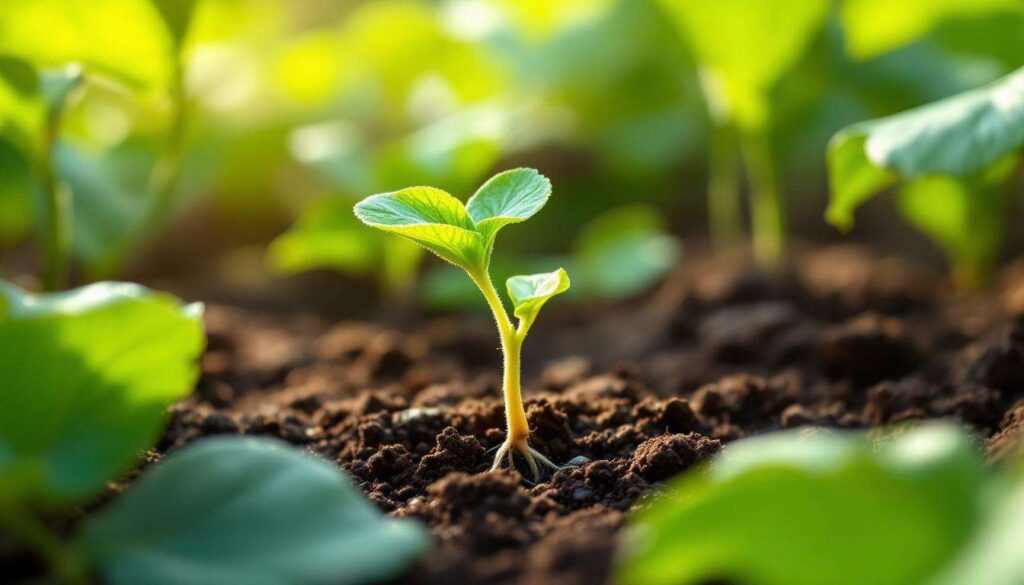
Newly emerged seedlings display delicate characteristics requiring gentle handling. Once the first true leaves appear, gradually introduce seedlings to brighter conditions, though avoiding direct afternoon sunlight which can scorch tender foliage. Maintain soil moisture through regular misting or gentle watering, ensuring the substrate never completely dries. Remove any covering gradually over several days to acclimatise seedlings to ambient humidity levels.
Transplanting procedures
When seedlings reach 10 to 15 centimetres in height with several sets of true leaves, transplanting becomes necessary. Select containers at least 20 centimetres deep with adequate drainage holes. Prepare a nutrient-rich potting mixture combining quality compost with organic matter. Handle seedlings by their leaves rather than stems to avoid damage, and plant at the same depth as previously grown. Water thoroughly after transplanting and maintain consistent moisture during the establishment period.
Ongoing maintenance requirements
Young cherimoya plants benefit from attentive care:
- Provide filtered sunlight for the first growing season
- Water when the top 2 centimetres of soil feels dry
- Apply diluted liquid fertiliser monthly during active growth
- Protect from temperatures below 10°C
- Prune lightly to encourage branching and bushy growth
- Monitor regularly for pests such as aphids and scale insects
Long-term establishment
Seed-grown cherimoya trees typically require 3 to 5 years before producing fruit, considerably longer than grafted specimens. However, these trees often demonstrate superior adaptation to local conditions and greater vigour. As plants mature, gradually increase sun exposure and reduce watering frequency whilst ensuring deep, thorough irrigation when applied.
Beyond standard care practices, several techniques can notably accelerate the germination timeline.
Tip: how to speed up the germination process
Bottom heat application
Applying gentle bottom heat significantly reduces germination time by maintaining optimal soil temperatures. Specialised heating mats designed for seed propagation provide consistent warmth without overheating. Position the thermostat to maintain substrate temperatures between 22°C and 24°C, checking regularly with a soil thermometer. This method proves particularly valuable in cooler climates or during winter propagation attempts.
Gibberellic acid treatment
Gibberellic acid, a natural plant hormone, breaks seed dormancy and accelerates germination. Dissolve gibberellic acid powder according to manufacturer instructions, typically creating a solution of 250 to 500 parts per million. Soak seeds for 24 hours in this solution before planting. This treatment can reduce germination time by several weeks, though it requires careful handling and precise measurement.
Optimised environmental control
Creating a dedicated propagation environment enhances germination rates:
- Use a heated propagator with adjustable venting
- Maintain consistent day and night temperatures
- Provide 12 to 14 hours of indirect light daily
- Monitor humidity levels, targeting 70 to 80 per cent
- Ensure adequate air circulation to prevent fungal issues
These accelerated methods, combined with proper seed preparation and environmental conditions, maximise the likelihood of successful germination within the shortest possible timeframe.
Growing cherimoya from seed offers gardeners an economical and rewarding path to cultivating this exceptional fruit tree. Success depends upon careful seed preparation, maintaining optimal temperature and moisture conditions, and providing attentive care to emerging seedlings. Whilst the process requires patience, with germination potentially taking several months, the resulting trees adapt well to local conditions and eventually reward growers with delicious, nutritious fruit. Whether employing standard techniques or acceleration methods, attention to detail throughout each stage ensures healthy plant development and long-term cultivation success.