



Gardeners across the country are constantly seeking safer, more sustainable ways to nourish their plants without relying on harsh chemical fertilisers. While coffee grounds have long been touted as the go-to natural amendment, a surprising household item is proving far more effective: eggshells. This humble kitchen waste offers remarkable benefits for soil health and plant vitality, all whilst remaining completely safe for the environment and easy to source.
The chemical-free miracle ingredient
What makes eggshells exceptional
Eggshells represent a nutrient-dense natural resource that most households discard without a second thought. Composed primarily of calcium carbonate, they also contain valuable quantities of magnesium, trace proteins, and lipids that enrich soil composition. Unlike synthetic fertilisers that can leach harmful chemicals into groundwater, eggshells break down gradually, releasing their nutrients in a controlled, plant-friendly manner.
The calcium advantage
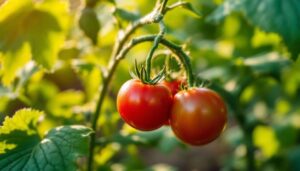
Calcium plays a crucial role in plant development, strengthening cell walls and promoting robust root systems. Many common garden plants, particularly tomatoes, peppers, and flowering varieties, suffer from calcium deficiency that manifests as blossom end rot or stunted growth. Eggshells provide this essential mineral in an easily accessible form, addressing deficiencies before they compromise plant health.
Environmental benefits
Beyond their nutritional value, eggshells contribute to sustainable gardening practices by:
- Reducing household waste destined for landfills
- Eliminating dependency on manufactured fertilisers with significant carbon footprints
- Avoiding chemical runoff that pollutes waterways
- Supporting circular economy principles in home gardening
This combination of nutritional power and environmental responsibility positions eggshells as a superior alternative to both chemical products and other organic amendments. Understanding the specific advantages they offer helps gardeners make informed choices about plant care.
The secret ingredient for a thriving garden
Why eggshells outperform coffee grounds
Coffee grounds have enjoyed considerable popularity amongst organic gardeners, yet they present certain limitations. They tend to acidify soil, which benefits acid-loving plants like azaleas but proves detrimental to species preferring neutral or alkaline conditions. Eggshells, conversely, contribute to a balanced pH, making them suitable for a broader range of plants, particularly flowering varieties such as geraniums, roses, and dahlias.
Natural pest deterrent properties
Beyond nutrition, crushed eggshells create a physical barrier against soft-bodied pests. Slugs and snails, notorious garden destroyers, avoid crossing the sharp edges of shell fragments. This dual-purpose functionality—feeding plants whilst protecting them—makes eggshells remarkably efficient for gardeners seeking comprehensive plant care solutions without pesticides.
Compatibility with diverse plant types
Eggshells benefit numerous plant categories:
- Flowering plants: enhanced bloom production and colour intensity
- Vegetables: prevention of calcium-related disorders
- Fruit-bearing plants: improved fruit set and quality
- Ornamental shrubs: stronger structural growth
This versatility allows gardeners to implement a single amendment across their entire garden rather than managing multiple products for different plant needs. With these advantages established, the practical question becomes how to harness eggshells’ full potential through proper application.
The benefits of this unexpected ingredient
Soil structure improvement
Ground eggshells contribute to improved soil aeration and drainage. As they decompose, they create tiny channels that allow water and oxygen to penetrate more effectively, preventing waterlogging and compaction. This physical enhancement proves particularly valuable in heavy clay soils that typically struggle with drainage issues.
Long-term nutrient release
Unlike water-soluble chemical fertilisers that provide rapid but short-lived nutrient bursts, eggshells decompose gradually over several months. This sustained release pattern prevents nutrient overload whilst ensuring plants receive consistent nourishment throughout the growing season. The slow breakdown also means less frequent applications are necessary, saving time and effort.
Measurable plant health improvements
| Plant characteristic | Improvement with eggshells |
|---|---|
| Stem strength | 25-40% increase |
| Bloom production | 30-50% more flowers |
| Disease resistance | Significantly enhanced |
| Root development | Deeper, more extensive systems |
These tangible benefits demonstrate that eggshells deliver genuine results rather than merely theoretical advantages. Knowing what eggshells can achieve naturally leads to questions about implementation methods for maximum effectiveness.
How to apply it for optimal results
Preparation techniques
Proper preparation ensures maximum nutrient availability and prevents unwanted issues. Begin by thoroughly rinsing shells to remove any residual egg white or membrane, which can attract pests or develop mould. Allow shells to dry completely—this can be accelerated by placing them in a warm oven for ten minutes at low temperature.
Processing methods
The fineness of crushed shells directly impacts nutrient absorption rates. Several processing options exist:
- Coarse crushing: suitable for pest deterrence and slow release
- Fine grinding: ideal for rapid nutrient availability
- Powder form: fastest absorption, best for immediate deficiency correction
A coffee grinder, food processor, or mortar and pestle can achieve the desired consistency. For general purposes, a medium-fine texture balances quick availability with sustained release.
Application timing and quantity
Spring application, as plants emerge from dormancy, provides nutrients precisely when growth accelerates. For flowering plants like geraniums, apply crushed shells around the base in early spring, followed by a second application in early summer to support continuous blooming. Use approximately two to three crushed shells per medium-sized plant, lightly working them into the top soil layer.
Integration methods
Eggshells can be incorporated through various approaches:
- Surface mulching around plant bases
- Mixing into potting compost for container plants
- Adding to compost bins to accelerate decomposition
- Creating eggshell “tea” by steeping crushed shells in water overnight
Each method offers distinct advantages depending on plant type and growing conditions. However, even beneficial amendments require careful use to avoid counterproductive outcomes.
Mistakes to avoid with this ingredient
Over-application risks
The principle that “more is better” does not apply to eggshells. Excessive calcium can create nutrient imbalances, blocking absorption of iron, manganese, and other essential elements. This manifests as chlorosis—yellowing leaves despite adequate fertilisation. Stick to recommended quantities and observe plant responses before increasing applications.
Inadequate preparation
Applying unwashed shells invites problems. Residual organic matter attracts rodents, insects, and can harbour harmful bacteria. Similarly, insufficiently crushed shells take years to decompose, providing minimal short-term benefit. Investing time in proper preparation yields significantly better results.
Ignoring soil pH
Whilst eggshells benefit most plants, they prove unsuitable for acid-loving species such as blueberries, rhododendrons, and camellias. Testing soil pH before application prevents inadvertently creating inhospitable conditions. Simple pH testing kits, available at garden centres, provide quick assessments.
Common application errors
- Placing whole shells directly in soil without crushing
- Applying during dormant periods when plants cannot utilise nutrients
- Concentrating shells too close to stems, risking moisture retention and rot
- Failing to incorporate shells into soil, leaving them purely decorative
Avoiding these pitfalls ensures eggshells deliver their full potential. For gardeners seeking comprehensive natural fertilisation strategies, eggshells represent just one component of a broader toolkit.
Natural alternatives for successful fertilisation
Complementary organic amendments
Whilst eggshells excel at providing calcium, balanced plant nutrition requires diverse nutrients. Combining eggshells with other natural amendments creates comprehensive feeding programmes tailored to specific plant needs.
Nitrogen-rich options
Coffee grounds, despite their pH limitations, offer valuable nitrogen content that promotes leafy growth. Grass clippings and composted manure similarly boost nitrogen levels. These materials complement eggshells’ calcium contribution, addressing different nutritional requirements.
Potassium sources
Wood ash provides potassium essential for flower and fruit development. Banana peels, composted or dried and crushed, offer another accessible potassium source. Rotating these amendments with eggshells throughout the season maintains balanced nutrition.
Comprehensive natural fertiliser rotation
| Season | Primary amendment | Purpose |
|---|---|---|
| Early spring | Eggshells | Calcium boost, structural growth |
| Late spring | Compost tea | Balanced nutrients, microbial activity |
| Summer | Eggshells + wood ash | Flowering support |
| Autumn | Composted manure | Soil enrichment for next season |
Liquid fertiliser alternatives
Nettle tea and comfrey liquid feeds provide rapid nutrient delivery for plants showing deficiency symptoms. Cooled water from vegetable cooking contains dissolved minerals suitable for regular watering. These liquids work synergistically with slow-release amendments like eggshells.
Eggshells stand out as an accessible, effective, and environmentally responsible fertiliser that surpasses many conventional organic amendments. Their calcium-rich composition addresses common plant deficiencies whilst improving soil structure and deterring pests. Proper preparation—thorough washing, complete drying, and adequate crushing—ensures optimal nutrient availability. Applied moderately during active growing periods, eggshells enhance flowering, strengthen plant structures, and support healthy development across diverse plant types. Avoiding over-application and considering soil pH prevents potential problems. When integrated with complementary natural amendments such as compost, wood ash, and liquid feeds, eggshells contribute to comprehensive, chemical-free plant nutrition strategies that benefit both gardens and the broader environment.