



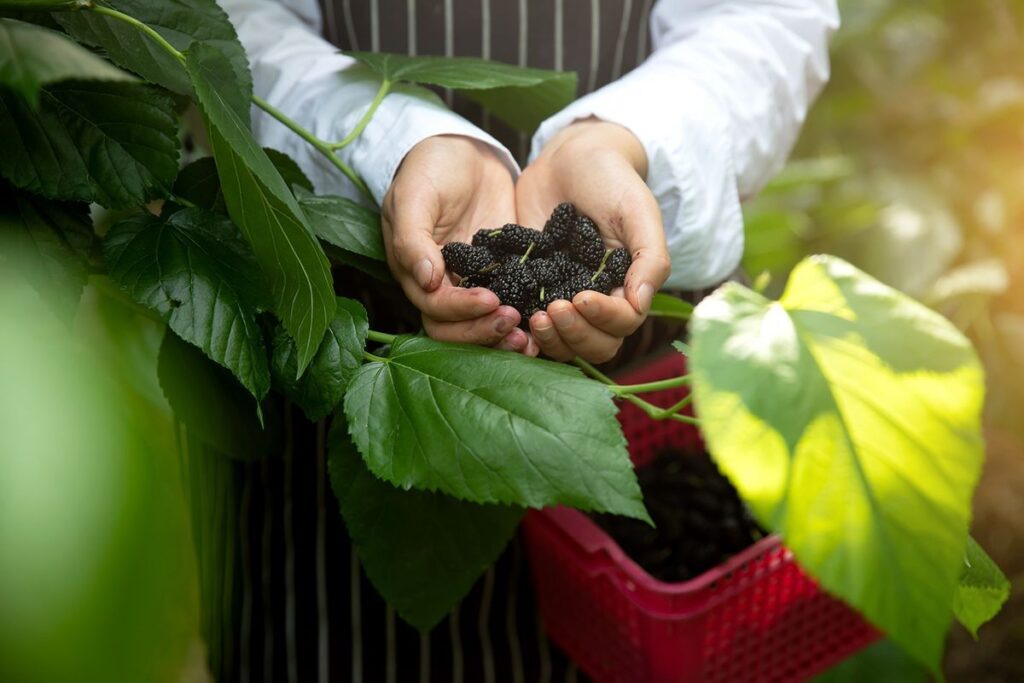
Invasive species present one of the most pressing ecological challenges facing ecosystems worldwide. When these invaders happen to be fruit-bearing trees that produce edible crops, the situation becomes particularly intriguing. The notion of harvesting these fruits as a management strategy has gained traction amongst environmentalists and foragers alike, yet the effectiveness of this approach remains a subject of considerable debate. Whilst consuming the bounty of invasive species might appear to offer a practical solution, the reality involves far more complexity than simply picking fruit from unwanted trees.
Understanding the challenge of invasive fruit trees
What makes a fruit tree invasive
An invasive fruit tree is characterised by its aggressive growth patterns and ability to outcompete native vegetation for resources. These species typically share several common traits that enable their successful colonisation of new territories. They demonstrate rapid growth rates, produce abundant fruit containing numerous seeds, and exhibit remarkable adaptability to varying environmental conditions. Unlike native species that have evolved alongside local ecosystems, invasive fruit trees lack natural predators or diseases that would normally keep their populations in check.
Common invasive edible fruit species
Several fruit-bearing trees have established themselves as problematic invaders across different regions. The autumn olive stands out as a particularly notorious example, having spread extensively throughout North America despite its initial introduction for erosion control and wildlife habitat. Other species causing concern include:
- Russian olive, which dominates riparian zones
- Multiflora rose, producing small edible hips whilst forming impenetrable thickets
- Buckthorn species that produce berries consumed readily by birds
- Bradford pear, which has escaped cultivation to invade natural areas
Ecological impacts and spread mechanisms
The ecological damage caused by invasive fruit trees extends far beyond simple competition for space. These species fundamentally alter ecosystem dynamics by displacing native plants that provide crucial habitat and food sources for indigenous wildlife. Their fruits, whilst edible to humans and animals, facilitate their spread through a process called endozoochory. Birds and mammals consume the fruits, then disperse viable seeds across considerable distances through their droppings. This natural dispersal mechanism proves remarkably efficient, enabling invasive trees to colonise new areas rapidly.
Additionally, many invasive fruit trees reproduce through vegetative propagation, sending up root suckers that create dense colonies. This dual reproductive strategy makes control efforts particularly challenging, as removing above-ground portions often stimulates vigorous regrowth from remaining root systems.
Understanding these biological characteristics proves essential when evaluating whether harvesting alone can meaningfully address the invasion problem.
Harvesting as a tool for ecological management
The theoretical basis for harvest-based control
The concept behind using harvesting as a management tool rests on interrupting the reproductive cycle of invasive species. By removing fruits before seeds mature and disperse, theoretically one could reduce the number of new plants establishing in subsequent seasons. This approach appeals to many because it transforms an ecological problem into a potential resource, aligning environmental stewardship with practical utilisation.
However, the effectiveness of this strategy depends on several critical factors:
- Timing of harvest relative to seed maturation
- Percentage of total fruit crop that can realistically be removed
- Presence of alternative reproductive mechanisms
- Scale and consistency of harvesting efforts
Limitations of harvesting as a standalone solution
Research and practical experience have revealed significant limitations to relying solely on fruit harvesting for invasive species control. Even intensive harvesting efforts typically remove only a fraction of the total fruit production. Many invasive trees produce such abundant crops that complete removal proves logistically impossible. Furthermore, fruits often ripen over extended periods, requiring multiple collection efforts to achieve meaningful impact.
The vegetative reproduction exhibited by numerous invasive fruit trees represents an even more fundamental challenge. Species that spread primarily through root suckers or rhizomes will continue expanding regardless of fruit removal. In these cases, harvesting addresses only one component of a multifaceted invasion strategy.
| Management approach | Effectiveness on seed dispersal | Effectiveness on vegetative spread |
|---|---|---|
| Fruit harvesting alone | Moderate (30-60%) | None |
| Mechanical removal | High (90-100%) | Moderate to high |
| Integrated approach | High (85-95%) | High (80-90%) |
Harvesting within integrated management strategies
Whilst harvesting alone proves insufficient, it can serve as a valuable component within comprehensive management programmes. When combined with mechanical removal, chemical treatments, or biological controls, harvesting contributes to overall effectiveness whilst providing tangible benefits. This integrated approach recognises that no single method offers a complete solution, but rather multiple tactics working synergistically produce optimal results.
Successful integration requires careful planning and sustained commitment. Harvesting efforts must be coordinated with other control measures, targeting specific life stages and growth patterns of the invasive species in question.
Beyond the practical aspects of control, harvesting invasive fruits raises important questions about the broader benefits such activities might generate.
The economic and environmental benefits
Creating value from ecological problems
Transforming invasive species into marketable products offers an innovative approach to funding and motivating control efforts. When invasive fruits can be harvested commercially or for personal consumption, they cease being purely problematic and become potential resources. This shift in perspective can engage communities and create economic incentives for removal activities that might otherwise rely entirely on costly eradication programmes.
The invasivore movement has emerged as a cultural response to this opportunity, encouraging people to incorporate invasive species into their diets. By creating demand for these products, advocates hope to stimulate harvesting pressure that contributes to population control whilst raising awareness about invasive species issues.
Potential economic applications
Various economic opportunities exist for utilising invasive fruit tree products:
- Fresh fruit sales at farmers’ markets and through local food networks
- Value-added products including jams, jellies, and preserves
- Ingredient sourcing for restaurants featuring foraged or sustainable menus
- Educational programmes and guided foraging experiences
- Biomass for composting or animal feed production
Environmental co-benefits
Beyond direct population control, harvesting activities can generate positive environmental outcomes. Regular human presence in invaded areas during harvest seasons increases monitoring and early detection of new infestations. Harvesters often notice ecological changes and can report emerging problems to land managers.
Additionally, the process of accessing fruiting trees for harvest frequently involves clearing surrounding vegetation, which can inadvertently benefit native plant recovery. When conducted thoughtfully, harvesting operations create disturbance patterns that favour native species regeneration whilst simultaneously removing invasive propagules.
The educational value of harvesting programmes should not be underestimated. Participants gain direct experience with invasive species identification, ecological impacts, and management challenges. This hands-on engagement often proves more effective than abstract conservation messaging in fostering environmental stewardship.
Realising these benefits requires appropriate techniques and careful implementation to ensure harvesting efforts achieve their intended outcomes.
Effective harvesting and processing techniques
Optimal timing and methods
Successful harvesting for invasive species management demands strategic timing to maximise impact on seed dispersal. Fruits should ideally be collected just before full ripeness, when seeds have developed sufficiently to be palatable but before natural dispersal mechanisms activate. This narrow window requires careful observation and planning.
Harvesting methods vary depending on tree size, fruit characteristics, and site accessibility. Techniques include:
- Hand-picking for accessible fruits on smaller trees
- Using pole-mounted fruit pickers for higher branches
- Placing collection tarps beneath trees and shaking branches
- Employing mechanical harvesters for large-scale operations
Processing and utilisation
Proper processing techniques ensure harvested fruits are safely consumed whilst preventing accidental seed dispersal. All processing waste, particularly seeds and pits, must be disposed of appropriately to avoid creating new infestation points. Composting should only occur under conditions that guarantee seed destruction through sustained high temperatures.
Many invasive fruits require specific preparation methods to optimise palatability and safety. Some species contain compounds that necessitate cooking or processing before consumption. Understanding these requirements prevents health risks whilst maximising the utility of harvested materials.
Combining harvesting with other control measures
Maximum effectiveness occurs when harvesting complements mechanical and chemical interventions. Following fruit removal, treating cut stumps with appropriate herbicides prevents resprouting from root systems. This integrated approach addresses both seed dispersal and vegetative reproduction simultaneously.
Timing these interventions requires coordination. Ideally, mechanical removal should occur after fruiting but before seed set in subsequent seasons, with harvesting serving as an interim measure to reduce seed bank contributions.
As harvesting programmes expand, they inevitably encounter questions about the appropriateness and consequences of exploiting invasive species.
Ethical issues related to exploitation
The paradox of creating demand
A fundamental ethical concern arises from the potential for commercial harvesting to create perverse incentives. If invasive fruits become economically valuable, some individuals or organisations might deliberately maintain or even expand populations to ensure continued supply. This scenario directly contradicts conservation objectives and could undermine eradication efforts.
Historical precedents exist where species initially introduced for economic purposes subsequently became invasive problems. Creating markets for invasive species risks repeating these mistakes, particularly in regions where the species has not yet established.
Equity and access considerations
Questions of access and equity emerge when invasive species on public lands become commercially harvested. Should private individuals profit from resources growing on publicly owned property ? How should harvesting permits be allocated, and what fees, if any, are appropriate ? These questions lack simple answers and require careful consideration of local contexts and stakeholder interests.
Additionally, commercial harvesting operations might exclude traditional foragers or subsistence harvesters who have historically utilised these resources. Balancing commercial efficiency with equitable access presents ongoing challenges for land managers.
Cultural sensitivity and indigenous perspectives
Some invasive species occupy lands with cultural significance to indigenous communities. Management decisions, including harvesting programmes, should respect indigenous knowledge systems and sovereignty. What outsiders classify as invasive may hold different meanings within indigenous ecological frameworks, requiring respectful dialogue and collaborative decision-making.
Furthermore, promoting consumption of invasive species must be done carefully to avoid trivialising serious ecological problems or suggesting that individual actions alone can resolve systemic environmental challenges.
Looking forward, the role of harvesting in invasive species management will likely evolve as our understanding deepens and new approaches emerge.
Future prospects and recommendations
Research needs and knowledge gaps
Significant research opportunities exist to better understand harvesting effectiveness under varying conditions. Long-term studies tracking population responses to sustained harvesting pressure would provide valuable data for management planning. Similarly, research into optimal harvest intensities, frequencies, and timing could refine best practices.
Economic analyses examining the true costs and benefits of harvest-based management compared to conventional approaches would inform resource allocation decisions. Such studies should account for both direct expenses and indirect values including ecosystem services and educational benefits.
Policy and regulatory frameworks
Developing appropriate policy frameworks will prove essential as harvesting programmes expand. Regulations should address permitting requirements, harvest limits, and quality standards whilst remaining flexible enough to accommodate local conditions and emerging knowledge. Clear guidelines help prevent exploitation whilst encouraging responsible participation.
Recommendations for effective policy development include:
- Establishing science-based harvest quotas tied to management objectives
- Creating certification programmes for commercial harvesters
- Requiring harvest reporting to enable population monitoring
- Implementing adaptive management protocols that adjust strategies based on outcomes
- Coordinating across jurisdictional boundaries to address landscape-scale invasions
Community engagement and education
Successful long-term management requires sustained community involvement and support. Educational programmes should clearly communicate both the potential and limitations of harvesting as a control method, avoiding oversimplification whilst inspiring participation. Engaging diverse stakeholders including landowners, foragers, conservationists, and commercial interests fosters collaborative approaches that leverage varied perspectives and resources.
Citizen science initiatives that involve harvesters in data collection and monitoring can enhance both scientific understanding and public engagement. When participants contribute meaningfully to research and management, they develop deeper connections to conservation outcomes.
The future of harvest-based invasive species management depends on our ability to integrate ecological science, economic realities, and ethical considerations into coherent, adaptive strategies that serve both environmental and human communities.
Harvesting invasive edible fruit trees represents a promising but incomplete solution to the complex challenge these species present. Whilst fruit removal can reduce seed dispersal and provide economic and educational benefits, it cannot serve as a standalone management strategy. The most effective approaches integrate harvesting with mechanical removal, chemical treatments, and biological controls within comprehensive programmes tailored to specific species and contexts. Moving forward, success requires continued research, thoughtful policy development, and sustained community engagement that balances ecological objectives with practical realities. The transformation of invasive species from purely problematic to potentially useful resources offers opportunities, but only when pursued with clear-eyed recognition of both possibilities and limitations.