



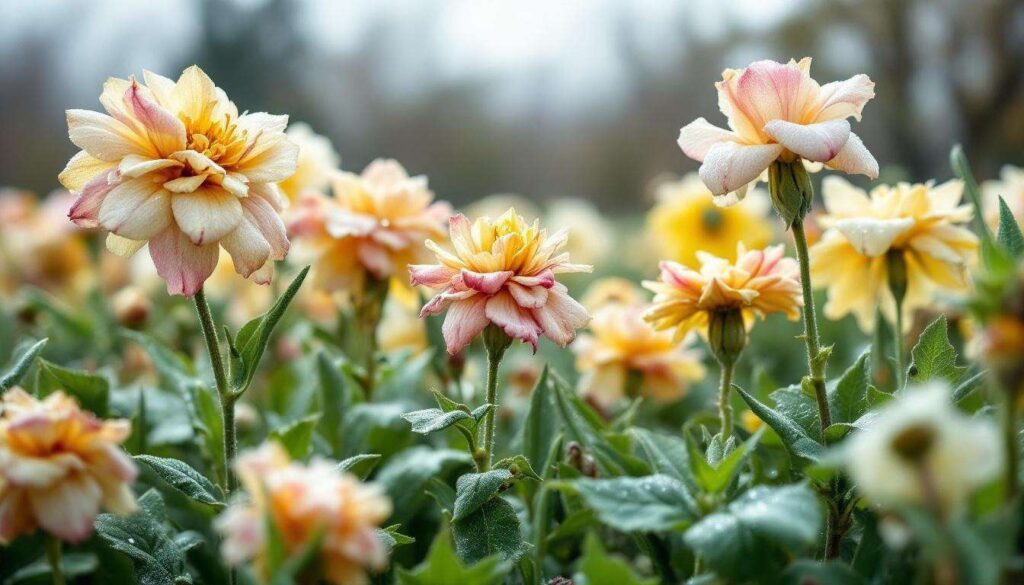
When temperatures plummet and frost blankets gardens across the country, even the most resilient flowers can suffer significant damage. Gardeners who have carefully nurtured their blooms throughout warmer months may find themselves facing wilted stems, discoloured petals and seemingly lifeless plants after a particularly harsh cold spell. Understanding how to respond quickly and appropriately can mean the difference between losing cherished specimens and successfully nursing them back to health. The key lies in recognising the signs of cold damage, implementing immediate remedial action and adopting long-term protective measures to safeguard against future weather events.
Identifying frost damage
Visual symptoms of cold injury
Frost-damaged flowers typically exhibit distinctive physical characteristics that distinguish them from other plant ailments. The most common indicators include:
- Leaves that appear water-soaked, limp or translucent
- Blackened or brown patches on foliage and petals
- Stems that have become soft, mushy or discoloured
- Flower buds that fail to open or drop prematurely
- A general wilted appearance despite adequate soil moisture
It is essential to note that symptoms may not appear immediately following a frost event. Some damage manifests only after several days when affected tissues begin to deteriorate. This delayed response can make initial assessment challenging, requiring gardeners to monitor plants closely over an extended period.
Differentiating between frost damage and other problems
Cold damage can sometimes resemble other common garden issues such as disease, pest infestation or drought stress. However, frost injury typically affects all exposed plant parts uniformly, whereas diseases often create irregular patterns. Additionally, frost damage generally occurs suddenly following a known cold event, whilst other problems develop more gradually. Examining weather records and noting the timing of symptom appearance helps confirm whether cold temperatures are the culprit.
Understanding these diagnostic features allows gardeners to respond appropriately rather than applying treatments suited to entirely different conditions.
First aid for frozen plants
Immediate actions to minimise further harm
When frost damage is suspected, resist the urge to take drastic action immediately. Hasty interventions can sometimes cause more harm than the cold itself. Instead, follow these measured steps:
- Avoid touching or handling frozen plants until they have thawed naturally
- Do not attempt to remove ice from leaves or stems manually
- Refrain from pruning damaged tissue straight away
- Shield plants from direct morning sunlight, which can cause rapid thawing and cellular rupture
Gentle thawing techniques
If plants are still frozen when discovered, gradual thawing offers the best chance of survival. Misting frozen foliage with cool water can help slow the thawing process, preventing the shock that occurs when ice crystals within plant cells melt too rapidly. Erecting temporary shade cloth or horticultural fleece over affected specimens provides protection from intense morning sun whilst allowing ambient temperature to rise gradually.
Assessing plant viability
Once plants have completely thawed, conduct a thorough examination to determine which parts remain viable. Perform the scratch test by gently scraping a small section of bark on stems: green tissue beneath indicates living wood, whilst brown or grey suggests the stem has perished. This information proves invaluable when deciding which portions to retain and which require eventual removal.
Having stabilised the immediate situation, attention must turn towards preventing recurrence of cold damage.
Protecting plants from future cold
Temporary protective structures
For vulnerable specimens, physical barriers provide effective short-term protection during forecast cold snaps:
- Horticultural fleece draped over plants and secured at ground level
- Cloches fashioned from glass or plastic bottles for individual blooms
- Cold frames positioned over low-growing flower beds
- Temporary polytunnels erected to shelter larger plantings
Strategic placement and microclimates
Garden location significantly influences a plant’s exposure to cold. Tender species benefit from positioning near south-facing walls, which absorb daytime heat and radiate warmth during night-time hours. Avoiding frost pockets—low-lying areas where cold air settles—reduces risk considerably. Container-grown flowers can be relocated to sheltered positions or brought under cover when severe weather threatens.
| Protection method | Suitable for | Temperature protection |
|---|---|---|
| Single-layer fleece | Hardy perennials | 2-4°C improvement |
| Double-layer fleece | Semi-hardy plants | 4-6°C improvement |
| Cloches | Individual specimens | 3-5°C improvement |
| Cold frames | Low-growing beds | 5-7°C improvement |
Whilst covers offer valuable protection, they represent only one component of a comprehensive defence strategy.
Using effective mulching techniques
Benefits of protective mulch layers
Mulching serves multiple protective functions in cold weather. A substantial layer of organic material insulates soil, moderating temperature fluctuations that can heave plant roots from the ground during freeze-thaw cycles. Additionally, mulch retains soil moisture and prevents rapid water loss during cold, drying winds. This stable root environment enables plants to maintain better overall health throughout winter months.
Appropriate mulch materials and application
Different materials offer varying levels of insulation:
- Well-rotted compost: provides nutrients whilst insulating
- Bark chips: long-lasting and aesthetically pleasing
- Straw or hay: excellent insulation but may harbour pests
- Leaf mould: free and effective, though less tidy in appearance
- Gravel or stone: suitable for alpine and Mediterranean species requiring good drainage
Apply mulch to a depth of 5-10 centimetres around the base of plants, taking care not to pile material directly against stems, which can encourage rot. Timing matters: mulch applied in late autumn provides maximum protection throughout winter, whilst spring application helps retain moisture as temperatures rise.
Beyond soil protection, addressing damaged plant tissue requires careful timing and technique.
Pruning damaged parts at the right time
Why patience proves essential
The impulse to tidy frost-damaged plants by removing unsightly foliage can be counterproductive if acted upon too hastily. Damaged leaves, whilst aesthetically displeasing, continue to provide several benefits: they offer some protection to underlying buds against subsequent frosts, contribute limited photosynthetic capacity and indicate which stems remain viable. Premature removal eliminates these advantages and may stimulate new growth vulnerable to further cold damage.
Optimal timing for remedial pruning
For most garden flowers, late spring represents the ideal pruning window. By this time, the risk of severe frost has diminished substantially, and the full extent of damage becomes apparent. New growth emerging from the base or along stems clearly delineates living tissue from dead wood. When pruning:
- Use clean, sharp secateurs to prevent disease transmission
- Cut back to healthy tissue, just above an outward-facing bud
- Remove entirely blackened stems at ground level
- Dispose of diseased material rather than composting it
Exceptions requiring earlier intervention
Certain circumstances justify earlier pruning action. If damaged tissue shows signs of fungal infection or rot spreading to healthy parts, prompt removal prevents further contamination. Similarly, completely collapsed stems that provide no protective function can be cleared to improve air circulation and reduce disease pressure.
With damaged portions addressed appropriately, focus shifts to encouraging vigorous recovery.
Promoting recovery with the right care
Watering requirements post-frost
Frost-damaged plants require careful moisture management during recovery. Whilst adequate hydration supports regrowth, waterlogged conditions stress compromised root systems. Check soil moisture regularly, watering only when the top few centimetres feel dry. During recovery, consistent moisture proves more beneficial than sporadic heavy watering. Container plants may require more frequent attention as their limited soil volume dries more rapidly.
Feeding strategies to support regeneration
Once new growth appears, gentle fertilisation encourages robust development. A balanced liquid feed applied at half the recommended strength every fortnight provides essential nutrients without overwhelming stressed plants. Avoid high-nitrogen formulations immediately after frost damage, as these promote soft, vulnerable growth. Instead, opt for feeds with balanced NPK ratios that support overall plant health rather than forcing rapid but weak development.
Monitoring for secondary problems
Weakened plants become susceptible to opportunistic pests and diseases. Regular inspection allows early detection of:
- Aphid colonies on tender new shoots
- Fungal infections entering through damaged tissue
- Slug and snail damage on emerging foliage
- Powdery mildew on stressed specimens
Addressing these issues promptly prevents minor setbacks from becoming major obstacles to recovery.
Cold weather damage need not spell disaster for garden flowers. By accurately identifying frost injury, providing appropriate first aid and implementing protective measures, gardeners can successfully rehabilitate affected plants. Strategic mulching insulates roots whilst patient pruning allows plants to demonstrate their natural resilience. Supporting recovery through balanced watering and feeding, combined with vigilance against secondary problems, maximises the likelihood of full restoration. Understanding these principles transforms what initially appears catastrophic into a manageable challenge, ensuring gardens emerge from winter ready to flourish once more.