


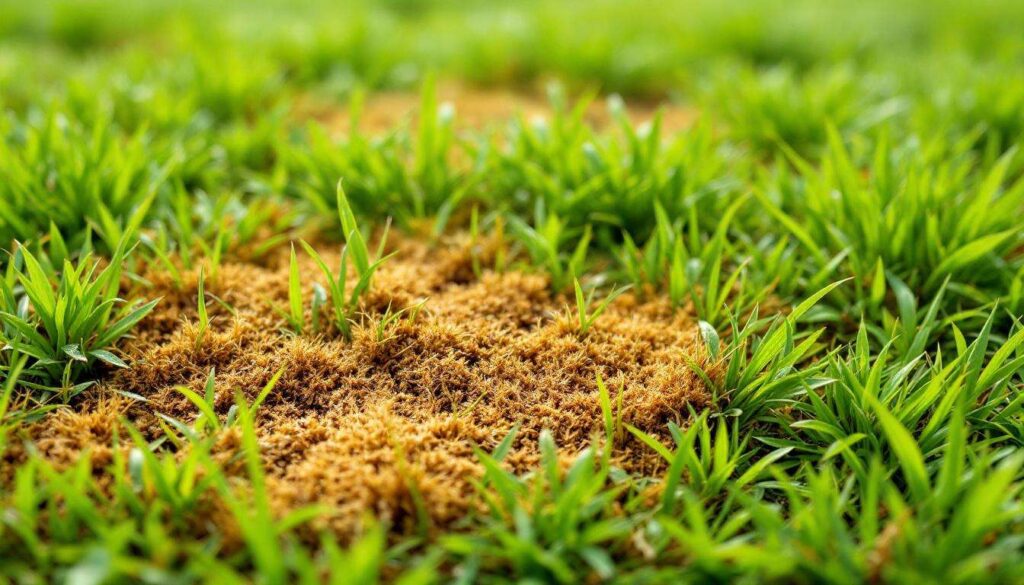
Across Britain’s gardens, homeowners are discovering unsightly brown patches marring their once-pristine lawns. This common autumnal affliction, known as Fusarium patch, strikes when conditions turn cool and damp, leaving circular patches of damaged turf that can spread rapidly if left untreated. Understanding this fungal disease and implementing proper management strategies can mean the difference between a patchy, damaged lawn and a vibrant green space ready to flourish come spring.
What is a Fusarium patch and how to recognise it ?
The fungal culprit behind autumn lawn damage
Fusarium patch, scientifically caused by the fungus Microdochium nivale, represents one of the most prevalent lawn diseases affecting British turf during autumn and winter months. This pathogen thrives in the specific environmental conditions that characterise our cooler seasons, particularly when temperatures hover between 0°C and 10°C combined with persistent moisture. The disease earned its alternative name, snow mould, from its tendency to develop beneath snow cover, though it readily appears in typical British autumn weather without any snowfall whatsoever.
Visual identification of Fusarium patches
Recognising Fusarium patch requires attention to several distinctive characteristics that set it apart from other lawn problems:
- Small circular patches initially appearing yellow or straw-coloured, typically measuring 5 to 30 centimetres in diameter
- Patches that gradually expand and may merge together, creating larger irregular areas of damage
- A distinctive white, pink, or pale orange fungal growth visible around patch edges during moist conditions, particularly in early morning
- Grass blades that appear water-soaked and slimy when touched, eventually turning brown and dying back
- Orange-brown discolouration at the margins of active patches, indicating ongoing fungal activity
The patches typically develop most aggressively during periods of high humidity, following rainfall, or when morning dew persists on grass blades. These environmental factors create the perfect breeding ground for the disease to establish and spread throughout your lawn.
Why do dead patches appear on your lawn ?
Environmental conditions favouring fungal development
Several interconnected factors contribute to the appearance and proliferation of Fusarium patch on residential lawns. Temperature fluctuations between day and night create ideal conditions for fungal spore germination, whilst prolonged leaf wetness provides the moisture necessary for infection to take hold. Reduced sunlight hours during autumn limit photosynthesis and weaken grass plants, making them more susceptible to disease invasion.
| Contributing Factor | Impact on Disease Development | Risk Level |
|---|---|---|
| Poor air circulation | Increases humidity around grass blades | High |
| Excessive nitrogen fertilisation | Creates lush, disease-prone growth | High |
| Soil compaction | Reduces drainage and oxygen availability | Medium |
| Thatch accumulation | Retains moisture and harbours pathogens | Medium |
| Shade from trees or structures | Prolongs leaf wetness periods | Medium |
Cultural practices that increase vulnerability
Lawn management decisions throughout the growing season significantly influence autumn disease susceptibility. Applying high-nitrogen fertilisers late in the season promotes soft, succulent growth that fungal pathogens easily penetrate. Similarly, mowing grass too short removes protective leaf tissue and stresses plants, whilst allowing clippings to accumulate creates a moisture-retaining layer where fungi thrive. Overwatering, particularly in the evening, ensures grass blades remain wet overnight, providing extended infection periods for Fusarium spores.
Understanding these underlying causes helps explain why some lawns suffer severe outbreaks whilst neighbouring properties remain relatively unaffected, setting the stage for effective intervention strategies.
How to control a Fusarium patch
Immediate action steps for active infections
When Fusarium patches appear on your lawn, swift intervention can limit damage and prevent further spread. Begin by improving air circulation around affected areas through selective pruning of overhanging branches and removing obstacles that block airflow. Avoid walking on diseased patches, as foot traffic spreads fungal spores to healthy areas and compacts already-stressed soil.
Adjust your watering regime immediately: cease all irrigation if natural rainfall provides adequate moisture, and when watering becomes necessary, do so early in the morning to allow grass blades to dry thoroughly before nightfall. This simple timing adjustment dramatically reduces the hours of leaf wetness that fuel fungal growth.
Chemical and biological treatment options
For severe or persistent infections, targeted fungicide applications may prove necessary. Products containing azoxystrobin or trifloxystrobin offer effective control when applied according to manufacturer instructions. However, fungicides work best as part of an integrated approach rather than as standalone solutions. Apply treatments during dry weather when rain won’t wash them away, and ensure even coverage across affected and surrounding areas.
Biological alternatives include products containing beneficial microorganisms that compete with pathogenic fungi for resources and space. These environmentally friendly options require patience, as they work more slowly than chemical fungicides, but they contribute to long-term soil health and disease suppression.
Post-treatment recovery procedures
Once active infection subsides, focus shifts to helping damaged areas recover. Gently rake out dead grass to remove fungal debris and improve air penetration to the soil surface. Consider overseeding with disease-resistant grass varieties specifically bred to withstand Fusarium pressure, ensuring new growth fills in bare patches before weeds colonise the space.
These curative measures address existing problems, but lasting lawn health requires a shift towards prevention rather than reaction.
Preventive measures for a healthy lawn in autumn
Seasonal maintenance schedule
Preventing Fusarium patch begins months before symptoms typically appear. Implement a comprehensive autumn lawn care programme that prepares turf to withstand disease pressure:
- Conduct core aeration in early autumn to relieve soil compaction and improve drainage
- Remove thatch layers exceeding 1.5 centimetres through scarification or dethatching
- Apply autumn fertilisers formulated with higher potassium and lower nitrogen ratios to strengthen cell walls
- Gradually raise mowing height to 5-7 centimetres, leaving more leaf surface for photosynthesis
- Continue mowing as needed until grass stops growing, removing fallen leaves promptly
Soil health optimisation
Healthy soil supports healthy grass that naturally resists disease. Test soil pH annually, as Fusarium thrives in acidic conditions below pH 6.0. Apply lime if testing reveals acidity, targeting a neutral pH around 6.5-7.0 for optimal grass growth. Incorporate organic matter through top-dressing with quality compost, which improves soil structure, enhances beneficial microbial populations, and increases disease suppressiveness.
Address drainage issues that leave standing water or persistently soggy areas, as these create perfect conditions for fungal establishment. Installing French drains or regrading problem zones eliminates moisture accumulation that no amount of chemical treatment can overcome.
With preventive infrastructure in place, ongoing maintenance practices determine whether your lawn remains disease-free throughout challenging weather conditions.
How to strengthen and maintain the health of your turf
Building disease resistance through variety selection
Modern grass breeding programmes have produced cultivars with enhanced disease resistance specifically targeting Fusarium and related pathogens. When establishing new lawns or overseeding existing turf, select mixtures containing resistant varieties of perennial ryegrass, fine fescue, or browntop bent suited to British conditions. These improved cultivars maintain better health under disease pressure whilst requiring fewer chemical interventions.
Balanced nutrition throughout the year
Strategic fertilisation supports vigorous growth without creating the lush, disease-prone tissue that results from excessive nitrogen. Follow a structured feeding programme that provides:
| Season | Primary Nutrient Focus | Application Timing |
|---|---|---|
| Spring | Moderate nitrogen for growth | April-May |
| Summer | Balanced NPK maintenance | June-July |
| Autumn | High potassium, low nitrogen | September-October |
| Winter | No fertilisation | November-March |
This seasonal approach ensures grass receives appropriate nutrition for current growth stages whilst building reserves for stress tolerance. Potassium particularly deserves attention in autumn, as it strengthens cell walls, improves cold hardiness, and enhances disease resistance without promoting the soft growth that nitrogen stimulates.
Monitoring and early intervention
Regular lawn inspections allow you to spot early warning signs before minor issues become major problems. Walk your lawn weekly during autumn, looking for discoloured patches, unusual fungal growth, or areas where grass appears stressed. Early detection enables targeted intervention in small areas rather than wholesale treatment of extensive damage.
Maintaining detailed records of disease occurrences, weather patterns, and management practices helps identify recurring problem areas and refine your prevention strategy over time. Even the healthiest lawns require attention to fundamental care practices that address underlying stress factors.
Tips to avoid water and nutrient stress
Irrigation best practices for autumn
Proper watering during autumn requires a different approach than summer irrigation. As temperatures cool and rainfall typically increases, reduce supplemental watering accordingly. When irrigation proves necessary, apply water deeply but infrequently, encouraging roots to grow downward rather than remaining shallow. Deep watering sessions of 2.5 centimetres once weekly prove far superior to frequent shallow applications that keep surface layers constantly moist.
Install rain gauges to monitor natural precipitation and adjust irrigation schedules based on actual moisture received rather than arbitrary timers. Modern smart irrigation controllers automatically adjust watering based on weather conditions, preventing unnecessary moisture application that creates disease-friendly environments.
Recognising and addressing nutrient deficiencies
Nutrient stress weakens grass and increases disease susceptibility. Visual symptoms help identify specific deficiencies:
- Yellowing older leaves indicate nitrogen deficiency, though autumn yellowing may be normal dormancy
- Purple or reddish tints suggest phosphorus limitations affecting root development
- Brown leaf margins and tip burn point to potassium deficiency reducing stress tolerance
- Interveinal chlorosis reveals iron deficiency, often linked to high soil pH
Address identified deficiencies through targeted applications rather than blanket fertilisation. Soil testing provides precise nutrient status information, enabling you to supply exactly what grass needs without excess that can harm rather than help.
Managing environmental stress factors
Beyond water and nutrients, multiple stress factors compromise lawn health. Soil compaction from foot traffic or heavy equipment restricts root growth and water infiltration, creating anaerobic conditions where beneficial organisms struggle whilst pathogens thrive. Regular aeration alleviates compaction, particularly in high-traffic areas or on heavy clay soils.
Shade stress from trees or structures reduces photosynthesis and prolongs leaf wetness. Where possible, prune lower branches to increase light penetration and air movement. In persistently shaded areas, consider shade-tolerant grass species or alternative groundcovers better suited to low-light conditions than traditional lawn grasses.
Maintaining optimal growing conditions throughout autumn positions your lawn to enter winter dormancy in robust health, ready to emerge vigorously when spring arrives.
Brown patches need not spell disaster for your lawn. By understanding Fusarium patch and related diseases, implementing proper cultural practices, and maintaining vigilant monitoring, you can protect your turf from autumn’s fungal threats. The combination of improved drainage, balanced nutrition, disease-resistant varieties, and appropriate watering creates an environment where grass thrives whilst pathogens struggle. Taking action now prevents minor issues from escalating into major renovation projects, ensuring your lawn remains an attractive feature of your property throughout the year.