



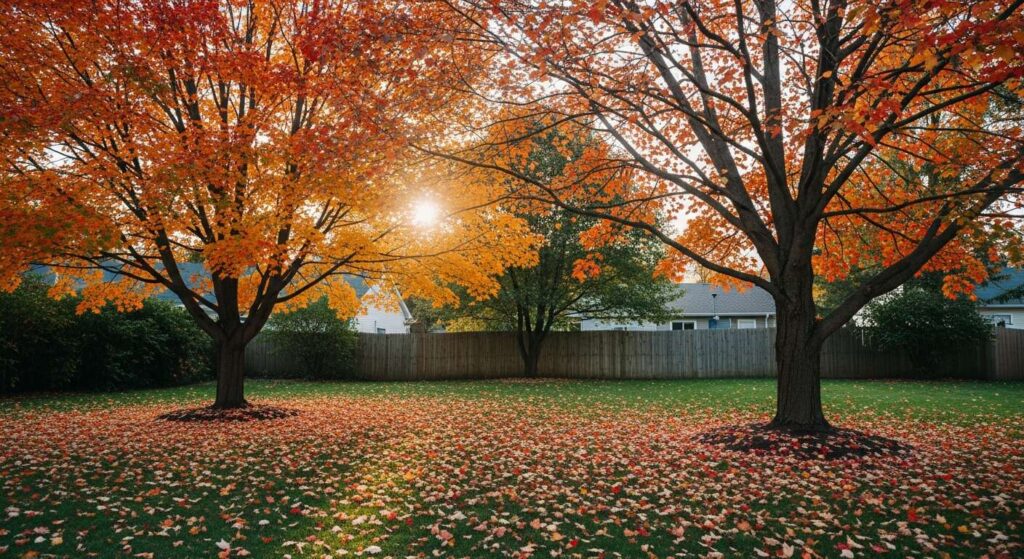
The annual autumn ritual of raking leaves has become so ingrained in our gardening routines that many of us never question whether it’s truly necessary. Yet a growing body of evidence suggests that leaving fallen leaves where they lie could be one of the best decisions you make for your garden and the wider environment. This shift in thinking challenges decades of conventional wisdom but offers compelling benefits that extend far beyond simple convenience.
Why I’m Choosing Not to Rake This Year
Breaking Free from Tradition
For generations, a tidy lawn has been synonymous with responsible homeownership. However, this perception is increasingly outdated and fails to account for modern ecological understanding. The decision to abandon raking stems from recognising that what we’ve long considered garden waste is actually a valuable natural resource.
The Hidden Costs of Raking
Beyond the obvious time investment, traditional leaf removal carries several drawbacks:
- Physical strain leading to back injuries and muscle fatigue
- Noise pollution from petrol-powered leaf blowers
- Carbon emissions from collection vehicles and disposal processes
- Financial costs for bags, tools and potential municipal collection fees
- Loss of valuable organic matter that could enrich your soil
Understanding these impacts reveals how our well-intentioned tidying efforts may actually work against our gardens’ best interests. This realisation naturally leads to exploring what happens when we allow nature to follow its intended course.
Autumn Leaves: a Benefit for Your Garden
Nature’s Fertiliser Factory
Fallen leaves represent a complete nutrient cycle that gardens have relied upon for millennia. As leaves decompose, they release essential minerals including nitrogen, phosphorus and potassium back into the soil. This process creates a self-sustaining system that reduces or eliminates the need for synthetic fertilisers.
Improving Soil Structure
The decomposition process delivers multiple soil benefits:
| Benefit | Impact |
|---|---|
| Organic matter content | Increases by 2-5% annually |
| Water retention | Improves by up to 30% |
| Soil aeration | Enhanced through natural decomposition |
| Microbial activity | Doubles within leaf-covered areas |
Suppressing Weeds Naturally
A layer of leaves acts as a natural weed barrier, blocking sunlight from reaching weed seeds and preventing germination. This organic approach proves far more sustainable than chemical herbicides whilst maintaining soil health. The protective qualities of leaf litter extend beyond weed control to encompass broader environmental advantages.
Ecological Impact: leaving Leaves on the Ground
Reducing Landfill Waste
Garden waste, including leaves, accounts for a significant portion of municipal solid waste. When leaves are bagged and sent to landfill, they decompose anaerobically, producing methane—a greenhouse gas approximately 25 times more potent than carbon dioxide. By keeping leaves in your garden, you actively contribute to reducing this environmental burden.
Carbon Sequestration Benefits
Leaves left to decompose naturally help sequester carbon in the soil rather than releasing it into the atmosphere. This process supports climate change mitigation efforts at a local level, demonstrating how individual gardening choices collectively create meaningful environmental impact.
Water Quality Protection
Leaf litter helps prevent soil erosion and filters rainwater before it enters waterways. This natural filtration system removes pollutants and excess nutrients that might otherwise contribute to algal blooms and aquatic ecosystem damage. These protective functions create ideal conditions for supporting diverse wildlife populations.
Leaves and Biodiversity: a Natural Haven for Wildlife
Overwintering Insects
Countless beneficial insects depend on leaf litter for survival during colder months. Native pollinators, including various bee species, butterflies and moths, seek shelter within fallen leaves to complete their life cycles. Removing this habitat can devastate local pollinator populations, with cascading effects on garden productivity and wild plant reproduction.
Supporting Garden Predators
Leaf piles harbour numerous creatures that help control garden pests:
- Ground beetles that consume slugs and aphids
- Spiders that prey on various flying insects
- Centipedes and millipedes that break down organic matter
- Earthworms that aerate soil and improve drainage
Providing Food Sources
Birds such as thrushes, blackbirds and wrens actively forage through leaf litter, searching for insects, spiders and other invertebrates. This natural food source becomes particularly crucial during winter when alternative options are scarce. Small mammals including hedgehogs also benefit from the insects sheltering in leaves. For gardeners seeking to maintain some aesthetic control whilst preserving these benefits, practical alternatives exist.
Managing Leaves Effortlessly: alternatives to Raking
The Mulching Mower Method
Rather than removing leaves entirely, run a mulching mower over them to chop them into smaller pieces. These fragments decompose more quickly whilst still providing all the ecological benefits. This approach works particularly well on lawns, where finely shredded leaves settle between grass blades and virtually disappear from view.
Strategic Leaf Placement
For those concerned about lawn health, consider redistributing leaves to garden beds and borders. This targeted approach provides:
- Maximum mulching benefits where plants need protection
- Clear lawn areas for recreational use
- Concentrated wildlife habitat zones
- Improved aesthetics without sacrificing ecological value
Creating Designated Leaf Zones
Establish specific areas where leaves can accumulate naturally, such as beneath hedges, around tree bases or in dedicated wildlife corners. These zones become biodiversity hotspots whilst maintaining tidier appearance in high-visibility areas. Such thoughtful management maximises the numerous advantages that decomposing leaves offer.
The Benefits of Leaves as Natural Mulch
Temperature Regulation
A layer of leaf mulch insulates soil, maintaining more stable temperatures throughout seasonal fluctuations. This protection prevents freeze-thaw cycles that can damage plant roots whilst keeping soil warmer during cold snaps, allowing beneficial soil organisms to remain active longer.
Moisture Conservation
Leaf mulch significantly reduces water evaporation from soil surfaces. Gardens with adequate leaf coverage require less frequent watering, conserving this precious resource whilst reducing maintenance demands. During dry periods, this moisture retention can mean the difference between thriving plants and struggling specimens.
Cost-Effective Gardening
By utilising fallen leaves as mulch, gardeners eliminate expenses associated with purchasing commercial mulching products. This free resource performs equally well or better than many shop-bought alternatives whilst offering superior environmental credentials.
Encouraging Beneficial Fungi
Decomposing leaves foster mycorrhizal fungi networks that form symbiotic relationships with plant roots. These fungi extend root systems’ effective reach, improving nutrient and water uptake whilst enhancing plants’ disease resistance. The presence of healthy fungal populations indicates thriving soil ecosystems.
Embracing a leave-the-leaves philosophy represents more than simple laziness—it constitutes an evidence-based approach to sustainable gardening. By allowing autumn’s fallen foliage to remain where it lands, we support wildlife, improve soil health, reduce waste and save time and money. This shift in perspective transforms what many view as an untidy mess into recognition of nature’s elegant efficiency, where every element serves multiple purposes within interconnected systems.