



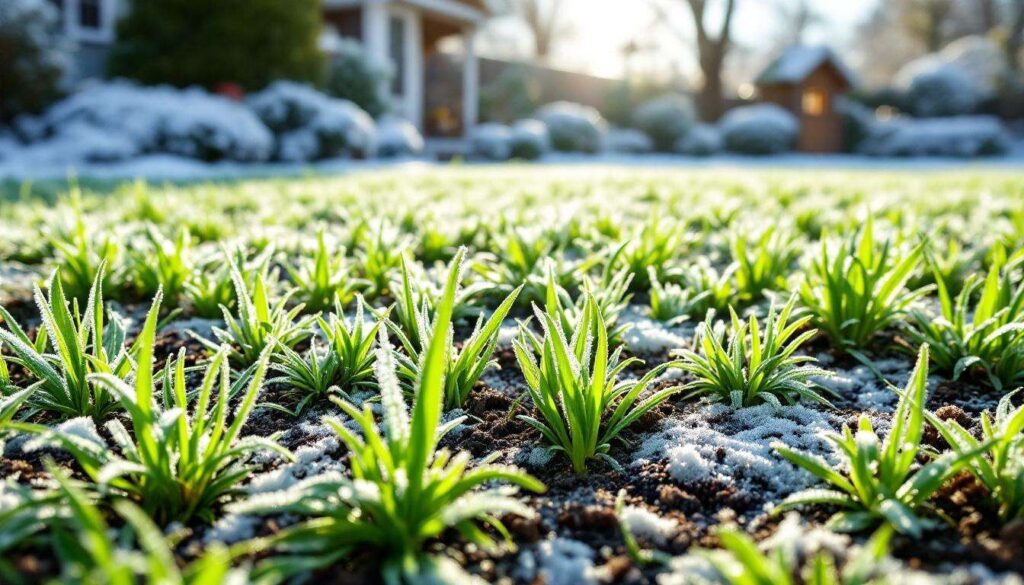
Establishing a vibrant lawn through winter grass seeding offers homeowners a strategic advantage for achieving superior spring growth. This method leverages dormant periods and cooler temperatures to encourage robust root development, resulting in a denser, healthier turf once warmer weather arrives. Understanding the science behind winter sowing, selecting appropriate seed varieties, and implementing proper cultivation techniques are essential components for transforming a lacklustre lawn into a verdant landscape that thrives from the first signs of spring.
Understanding Winter Sowing for a Greener Lawn
The Science Behind Dormant Seeding
Winter sowing capitalises on a phenomenon known as dormant seeding, where grass seeds are planted after soil temperatures drop below the germination threshold but before the ground freezes completely. This technique allows seeds to stratify naturally during cold months, breaking down germination inhibitors and priming them for rapid growth when temperatures rise. The seeds remain inactive throughout winter, protected within the soil matrix, then spring to life as soon as conditions become favourable, typically when soil temperatures reach approximately 10°C.
Advantages of Winter Grass Establishment
Sowing grass seed during winter provides several distinct benefits that contribute to superior lawn quality:
- Earlier germination compared to traditional spring seeding, giving grass a competitive advantage over weeds
- Enhanced root development during cooler periods when top growth is minimal
- Reduced water requirements due to natural precipitation and lower evaporation rates
- Improved seed-to-soil contact through natural freeze-thaw cycles that work seeds into the ground
- Lower disease pressure during establishment phases
These factors combine to create ideal conditions for establishing a resilient lawn that can withstand the stresses of summer heat and drought more effectively than grass sown during warmer months.
Optimal Timing Considerations
Success with winter sowing depends heavily on precise timing. The ideal window occurs after repeated frosts have occurred but before the ground becomes impenetrably frozen. In most temperate regions, this typically falls between late October and early November. Sowing too early risks premature germination followed by frost damage, whilst sowing too late may result in seeds washing away or being consumed by wildlife before they can establish.
Understanding these fundamental principles establishes the foundation for selecting appropriate seed varieties that will thrive under winter conditions.
Choosing the Right Seed Blend for Winter
Cold-Tolerant Grass Varieties
Not all grass species perform equally well when subjected to winter sowing. Cool-season grasses are specifically adapted to germinate and grow during cooler temperatures, making them ideal candidates for winter establishment. The most successful varieties include:
| Grass Type | Germination Temperature | Winter Hardiness | Establishment Speed |
|---|---|---|---|
| Perennial Ryegrass | 10-18°C | Moderate | Fast (7-14 days) |
| Tall Fescue | 10-18°C | Excellent | Moderate (10-21 days) |
| Kentucky Bluegrass | 10-18°C | Excellent | Slow (14-30 days) |
| Fine Fescue | 10-18°C | Excellent | Moderate (7-14 days) |
Blending for Optimal Performance
Seed blends that combine multiple grass species offer superior performance compared to monoculture lawns. A well-formulated mixture provides resilience against varying environmental conditions, disease resistance, and aesthetic appeal. For winter sowing, consider blends containing 60-70% fescue varieties for drought tolerance and shade adaptation, combined with 20-30% perennial ryegrass for rapid establishment and wear resistance, and 10-20% Kentucky bluegrass for self-repair capabilities and fine texture.
Regional Adaptability Factors
Climate zone significantly influences seed selection. Gardens in zone 7 and similar temperate regions benefit from overseeding with winter-active grasses that maintain colour throughout colder months. Areas experiencing harsher winters require varieties with exceptional cold hardiness, whilst milder coastal regions can accommodate a broader range of species. Always consult local agricultural extension services for region-specific recommendations that account for typical winter conditions, soil types, and expected spring weather patterns.
Once appropriate seed varieties have been identified, attention must turn to creating optimal soil conditions that support successful germination.
Preparing the Soil for Winter Sowing
Essential Site Assessment and Clearance
Thorough soil preparation forms the cornerstone of successful winter grass establishment. Begin by conducting a comprehensive site assessment to identify areas requiring attention. Remove all debris including fallen leaves, moss accumulations, dead grass thatch, and any other organic matter that could impede seed-to-soil contact. This clearance process serves multiple purposes: it eliminates competition for nutrients, improves air circulation, and prevents the formation of anaerobic conditions that foster disease development.
Soil Aeration and Amendment
Compacted soil severely limits root penetration and water infiltration, creating hostile conditions for emerging seedlings. Address compaction through mechanical aeration, which involves removing small plugs of soil to create channels for air, water, and nutrients. For winter sowing, aeration should occur several weeks before seeding to allow the soil structure to settle.
Soil testing provides invaluable information about pH levels and nutrient deficiencies. Most grass species thrive in slightly acidic to neutral soil with pH values between 6.0 and 7.0. Amend soil based on test results:
- Apply lime to raise pH in acidic soils
- Incorporate sulphur or organic matter to lower pH in alkaline conditions
- Add compost to improve soil structure and microbial activity
- Work in phosphorus-rich amendments to support root development
Creating the Ideal Seedbed
The final preparation stage involves creating a firm but friable seedbed. Rake the soil surface to achieve a fine tilth, breaking up any remaining clods whilst maintaining a level grade that prevents water pooling. The soil should be firm enough to support foot traffic without sinking but loose enough to allow easy seed incorporation. This balance ensures seeds nestle into small crevices where they maintain contact with soil moisture whilst remaining protected from wind and wildlife.
With properly prepared soil in place, implementing effective sowing techniques becomes the next critical step.
Effective Techniques for Winter Sowing
Seed Distribution Methods
Achieving uniform seed distribution is paramount for creating an even, professional-looking lawn. Several application methods accommodate different lawn sizes and configurations:
- Broadcast spreaders: ideal for large areas, providing consistent coverage when calibrated correctly
- Drop spreaders: offer precision for smaller lawns and areas requiring controlled application
- Hand broadcasting: suitable for small patches and overseeding, though requiring practice for even distribution
Regardless of method, apply seed in two perpendicular passes at half the recommended rate to ensure complete coverage without oversowing. This cross-hatching technique minimises bare spots and prevents seed wastage.
Seed-to-Soil Contact Enhancement
After broadcasting, lightly rake seeds into the top layer of soil to a depth of approximately 3-6 millimetres. This incorporation protects seeds from birds and wind whilst maintaining access to moisture and oxygen. Avoid burying seeds too deeply, as this can prevent germination or result in weak, spindly seedlings that struggle to reach the surface.
For enhanced results, consider rolling the seeded area with a light lawn roller. This process firms the soil around seeds, improving contact and moisture retention without compacting the seedbed excessively. The roller should be light enough that footprints remain barely visible after passing.
Protective Mulching Strategies
Applying a thin layer of mulch provides numerous benefits for winter-sown grass seed. A 6-millimetre covering of fine compost, peat-free growing medium, or straw protects seeds from temperature fluctuations, retains moisture, and prevents crusting. Ensure the mulch layer remains light enough that emerging seedlings can penetrate easily, and avoid materials that may contain weed seeds or create anaerobic conditions.
Despite careful preparation and sowing, winter conditions present unique obstacles that require strategic management.
Overcoming the Challenges of Winter Sowing
Managing Moisture Levels
Water management during winter sowing requires a delicate balance. Seeds need consistent moisture to remain viable but excessive saturation leads to rot and fungal diseases. Natural precipitation often provides adequate moisture during winter months, reducing or eliminating the need for supplemental irrigation. However, during dry spells, light watering may be necessary to prevent desiccation.
Monitor soil moisture by examining the top few centimetres. The soil should feel slightly damp but not waterlogged. In areas prone to heavy winter rainfall, ensure proper drainage exists to prevent standing water that suffocates seeds and creates ideal conditions for disease pathogens.
Protecting Against Wildlife and Weather
Seeds sown during winter face threats from various sources that can significantly reduce establishment success:
- Birds and rodents seeking food during scarce winter months
- Erosion from heavy rainfall or snowmelt
- Frost heaving that displaces seeds from their optimal position
- Ice formation that can damage emerging seedlings
Protective measures include applying bird-deterrent netting, using seed treated with natural repellents, and ensuring adequate mulch coverage. In areas experiencing severe frost heaving, consider delaying sowing until late winter when freeze-thaw cycles become less frequent.
Addressing Slow Germination Expectations
Perhaps the greatest challenge of winter sowing is the extended waiting period before visible results appear. Unlike spring-sown grass that germinates within days, winter-sown seeds may remain dormant for months. This dormancy is intentional and beneficial, allowing seeds to undergo natural stratification processes. Patience becomes essential, as premature judgement may lead to unnecessary reseeding that creates overcrowding issues once germination begins.
Understanding these challenges prepares gardeners for the long-term care requirements that bridge winter sowing with spring emergence.
Caring for Your Winter Lawn through to Spring
Dormant Season Maintenance
During the dormant period between sowing and germination, minimal intervention yields the best results. Avoid foot traffic on seeded areas, as compaction and displacement can undo careful preparation work. Refrain from applying fertilisers during deep winter, as nutrients may leach away before plants can utilise them or stimulate premature growth vulnerable to frost damage.
Monitor the seeded area periodically for signs of erosion, animal disturbance, or disease development. Address issues promptly but resist the temptation to oversow or make major adjustments until spring temperatures trigger germination.
Spring Activation and Early Growth Support
As soil temperatures climb above 10°C, typically occurring in March across most temperate regions, germination commences rapidly. This period demands increased attention to ensure emerging seedlings establish successfully:
- Resume regular moisture monitoring, increasing watering frequency as temperatures rise and growth accelerates
- Apply a starter fertiliser high in phosphorus to support root development once seedlings reach 2-3 centimetres height
- Continue protecting young grass from heavy traffic until it reaches mowing height
- Watch for weed emergence and address competition through hand-pulling rather than herbicides that may damage young grass
First Mowing and Establishment Completion
The inaugural mowing represents a critical milestone in lawn establishment. Wait until grass reaches approximately 8-10 centimetres before mowing, then remove only the top third of blade height. This conservative approach prevents stress whilst encouraging lateral growth and tillering that creates dense turf.
Continue supporting the developing lawn through consistent watering, appropriate fertilisation, and gradual introduction of normal use patterns. By late spring, winter-sown grass should display the robust growth and vibrant colour that justifies the patience required during establishment.
Winter grass seeding offers a strategic pathway to achieving superior lawn quality through dormant sowing techniques that leverage natural seasonal cycles. Success hinges on understanding the science behind cold-weather germination, selecting appropriate cool-season varieties, preparing soil thoroughly, implementing proper sowing techniques, and maintaining patience through dormancy. By addressing moisture management, protecting against environmental challenges, and providing appropriate care during spring activation, homeowners can transform their outdoor spaces into lush, resilient lawns that outperform traditional spring-sown alternatives. The investment in winter sowing yields dividends in earlier establishment, stronger root systems, and a competitive advantage over weeds that ensures lasting beauty throughout the growing season.