



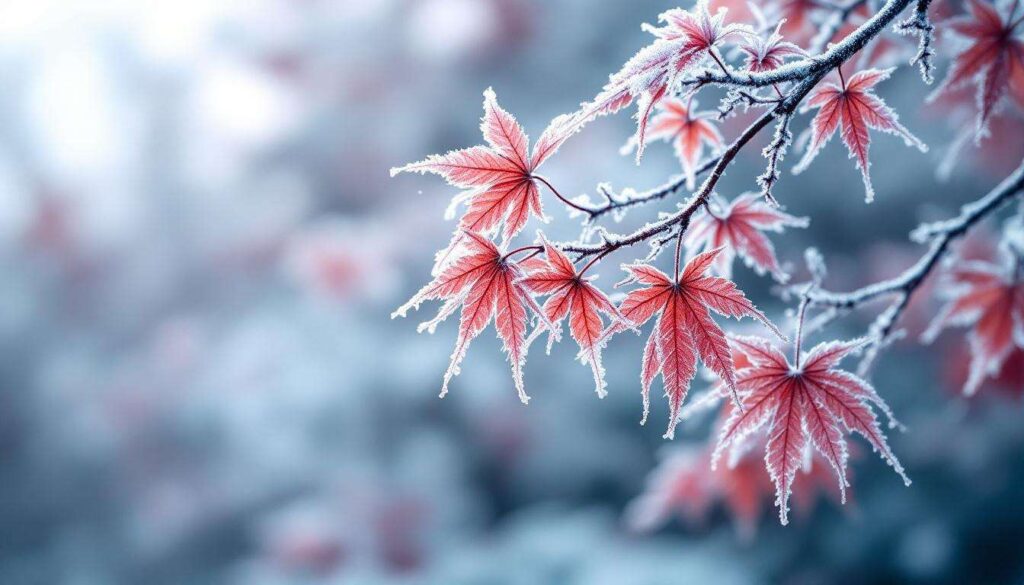
Japanese maples stand among the most cherished ornamental trees in British gardens, prized for their delicate foliage and architectural elegance. Yet many gardeners watch in dismay as their seemingly healthy specimens suddenly show signs of decline when spring arrives. The culprit often lies not in disease or poor planting conditions, but in a simple maintenance task that goes overlooked during the dormant months. Winter preparation determines whether these graceful trees will emerge vibrant or struggle with dieback when warmer weather returns. Understanding the specific vulnerabilities of Japanese maples during cold months proves essential for maintaining their health and beauty year after year.
Why Japanese maples are sensitive to winter cold
Japanese maples possess a unique physiology that makes them particularly vulnerable to winter conditions in temperate climates. Acer palmatum and its cultivars evolved in the mountainous regions of Japan, Korea and China, where they experience consistent winter cold rather than the fluctuating temperatures common in many British gardens.
Thin bark and tender tissues
The distinctive characteristics that make Japanese maples so attractive also contribute to their winter sensitivity. Their bark remains notably thinner than that of native British trees, offering less insulation against temperature extremes. Young branches and twigs contain high moisture content, which becomes problematic when ice crystals form within plant cells during sudden freezes. This cellular damage may not become apparent until spring growth begins, when affected branches fail to leaf out properly.
Temperature fluctuation damage
The real threat comes not from sustained cold but from rapid temperature swings. British winters frequently alternate between mild spells and sharp frosts, creating conditions that prove far more damaging than steady cold. During warm periods, sap begins to flow within the tree, only to freeze when temperatures plummet overnight. This freeze-thaw cycle causes several problems:
- Bark splitting along the trunk and main branches
- Ice crystal formation that ruptures cell walls
- Premature bud break followed by frost damage
- Desiccation of tender shoots when frozen tissues cannot transport water
These physiological stresses accumulate throughout winter, setting the stage for the spring dieback that baffles many gardeners.
Understanding the phenomenon of spring dieback
Spring dieback manifests as branches that fail to produce leaves or show only partial leafing before withering. The damage occurred months earlier during winter, but symptoms only become visible when the tree attempts to grow. This delayed manifestation makes it difficult for gardeners to connect winter conditions with spring problems.
How dieback develops over winter
The process begins subtly during the coldest months. Desiccating winds strip moisture from branches faster than frozen roots can replace it. Meanwhile, bright winter sun warms bark on south-facing sides, triggering metabolic activity that cannot be sustained when temperatures drop at night. Cambium tissue beneath the bark dies in patches, creating sections of branch that remain alive at the tips but disconnected from the root system.
Identifying early warning signs
Observant gardeners can spot potential problems before spring arrives. Branches showing these characteristics face higher dieback risk:
- Shrivelled or wrinkled bark texture
- Discolouration ranging from brown to grey
- Brittle twigs that snap easily rather than bending
- Vertical cracks or splits in the bark
- Areas where bark has separated from underlying wood
Understanding these mechanisms reveals why a specific winter task becomes crucial for prevention rather than waiting to address problems in spring.
The importance of proper winter pruning
The overlooked task that prevents spring dieback is strategic winter pruning performed during the dormant period. This differs significantly from the aesthetic pruning many gardeners perform in summer. Winter pruning specifically targets vulnerable growth that poses the greatest risk of damage and subsequent dieback.
Timing matters critically
The optimal window for protective winter pruning falls between late autumn and midwinter, after leaves have dropped but before the harshest weather arrives. Pruning too early stimulates new growth that won’t harden before freezing temperatures, whilst pruning too late means vulnerable branches have already sustained damage. Most experts recommend completing this task by early December in most parts of Britain.
What to remove during winter pruning
This maintenance focuses on eliminating wood most susceptible to winter damage. Priority removals include:
- Soft, immature growth from late summer that hasn’t fully lignified
- Crossing branches that rub together, creating wounds where frost can penetrate
- Thin, spindly shoots lacking the diameter to withstand desiccation
- Damaged or diseased wood that provides entry points for winter injury
- Overcrowded interior branches with poor air circulation
Proper pruning technique for winter cuts
Winter pruning requires particular attention to cut quality. Clean, sharp tools make smooth cuts that heal efficiently. Cuts should be made just above outward-facing buds at a slight angle to shed water. Avoid leaving stubs, which die back and create larger wounds. Seal large cuts over 2.5 centimetres with pruning compound to prevent moisture loss and frost penetration through the wound.
Beyond pruning, several complementary strategies provide additional protection against the conditions that cause spring dieback.
Effective methods to protect Japanese maples in winter
A comprehensive winter protection strategy combines multiple approaches tailored to the specific vulnerabilities of Japanese maples. No single method provides complete protection, but layered defences significantly reduce the risk of spring dieback.
Physical barriers against wind and sun
Windbreaks and shade structures address two major winter threats simultaneously. Temporary screens positioned on the windward side reduce desiccating wind exposure, whilst shade cloth on the south-facing side prevents sun-scald. For young or particularly vulnerable specimens, consider constructing a simple frame covered with horticultural fleece that allows air circulation whilst moderating temperature extremes.
Mulching and root zone protection
Protecting roots proves equally important as protecting above-ground portions. A generous layer of organic mulch insulates soil, preventing the deep freezing that damages fine feeder roots. Apply mulch in a ring extending to the drip line but keeping it several centimetres away from the trunk to prevent rot. Appropriate mulch materials include:
- Well-rotted leaf mould
- Composted bark chips
- Pine needles for acid-loving varieties
- Straw or bracken for additional insulation
Anti-desiccant sprays
Anti-desiccant products create a protective coating on bark and buds that reduces moisture loss during winter. Apply these sprays in late autumn and again in midwinter, following manufacturer instructions carefully. Choose a mild, dry day for application to ensure proper adhesion. These products prove particularly valuable for grafted varieties and specimens in exposed locations.
Strategic watering before freezes
Ensuring adequate soil moisture before the ground freezes helps Japanese maples withstand winter stress. Well-hydrated trees tolerate cold better than drought-stressed specimens. Water thoroughly during dry spells in autumn and early winter, but cease watering once the ground freezes to avoid ice formation around roots.
| Protection Method | Best Timing | Effectiveness Rating |
|---|---|---|
| Winter Pruning | November-December | High |
| Windbreak Installation | October-November | Medium-High |
| Mulch Application | October-November | High |
| Anti-desiccant Spray | November and January | Medium |
| Pre-freeze Watering | Throughout Autumn | Medium |
Even with knowledge of proper techniques, certain common errors undermine winter protection efforts and increase the likelihood of spring dieback.
Common mistakes to avoid in winter care
Well-intentioned gardeners often make errors that negate their protective efforts or actively harm their Japanese maples during winter. Recognising these pitfalls helps ensure winter maintenance achieves its intended purpose rather than creating additional problems.
Over-pruning during the dormant season
Whilst strategic pruning prevents dieback, excessive removal of branches proves counterproductive. Removing more than 20 per cent of the canopy stresses the tree and reduces its ability to photosynthesize adequately when spring arrives. Heavy pruning also creates numerous wounds that require energy to seal, diverting resources from cold hardiness. Focus on selective removal of the most vulnerable growth rather than major structural changes.
Wrapping trunks too tightly
Trunk wrapping can protect against sun-scald and frost cracks, but improper application causes more harm than good. Wrapping too tightly restricts the trunk’s natural expansion and contraction, potentially girdling the tree. Moisture trapped beneath wrappings encourages fungal growth and pest activity. If wrapping young trunks, use breathable materials loosely applied and remove wrappings promptly in spring.
Neglecting container-grown specimens
Japanese maples in containers face exponentially greater winter risk than those planted in the ground. Container soil freezes solid far more readily, and roots have no buffer against temperature extremes. Common mistakes with containerised trees include:
- Leaving pots in exposed locations without protection
- Failing to group containers together for mutual insulation
- Allowing containers to sit in water that freezes around roots
- Neglecting to move tender varieties to sheltered locations or cold frames
Applying fertiliser in late autumn
Feeding Japanese maples after late summer stimulates soft growth that cannot harden before winter arrives. This tender growth becomes the first casualty of cold weather and serves as an entry point for frost damage deeper into the branch structure. Cease all fertilisation by late August to allow natural hardening processes to complete before dormancy.
Ignoring microclimates within the garden
Not all areas of a garden experience identical winter conditions. Trees planted in frost pockets, wind tunnels or against south-facing walls face different challenges requiring tailored approaches. Failing to account for these microclimates when planning winter protection results in inadequate defence for the most vulnerable specimens.
The effort invested in proper winter care delivers rewards that extend far beyond simply preventing spring dieback.
Long-term benefits of rigorous winter maintenance
Consistent winter protection establishes a foundation for Japanese maple health that compounds over years. Trees that avoid repeated cycles of winter damage and spring recovery develop stronger, more resilient structures capable of withstanding future challenges with less intervention.
Enhanced overall vigour and growth
Japanese maples that emerge from winter undamaged channel their energy into productive growth rather than repairing injured tissues. This results in fuller canopies, more vibrant foliage colour and better flowering in varieties that produce significant blooms. Over multiple seasons, the cumulative effect becomes striking, with well-maintained specimens displaying markedly superior appearance compared to neglected counterparts.
Improved resistance to pests and diseases
Healthy, unstressed trees mount more effective defences against pathogens and insects. Winter-damaged tissue provides easy entry for various fungal diseases, including verticillium wilt and coral spot. Preventing winter damage reduces disease pressure throughout the growing season, decreasing the need for interventions and creating a more sustainable maintenance cycle.
Greater longevity and specimen value
Japanese maples represent significant investments that appreciate in value as they mature. Repeated winter damage shortens lifespan by creating cumulative structural weaknesses and depleting the tree’s energy reserves. Proper winter care preserves specimen quality and extends productive life by decades. Mature, well-maintained Japanese maples become garden focal points that increase property value and provide enjoyment for generations.
Reduced long-term maintenance requirements
Paradoxically, investing effort in winter protection reduces overall maintenance burden. Trees that avoid dieback require less corrective pruning, fewer treatments for opportunistic diseases and reduced replacement of damaged specimens. The initial establishment of proper winter routines creates a manageable maintenance schedule that becomes increasingly efficient as trees develop resilience.
Japanese maples reward attentive winter care with decades of ornamental beauty and structural grace. The overlooked task of strategic winter pruning, combined with complementary protection measures, transforms vulnerable specimens into resilient garden features. Understanding the specific cold sensitivities of these elegant trees enables gardeners to prevent spring dieback before damage occurs rather than responding to problems after they manifest. Success lies not in complex interventions but in consistent application of straightforward protective practices tailored to the unique requirements of Japanese maples during dormancy. Gardens that incorporate these winter maintenance routines enjoy healthier trees, reduced long-term care demands and the enduring satisfaction of preserving these exceptional ornamental specimens through Britain’s challenging winter conditions.