



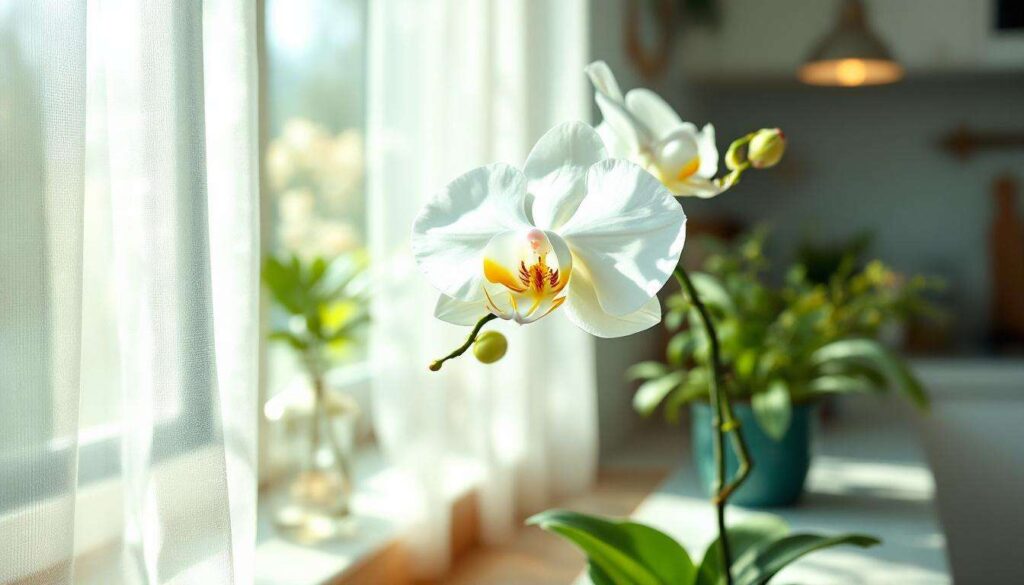
Orchids have long captivated plant enthusiasts with their elegant blooms and exotic appearance, yet many struggle to encourage a second flowering after the initial display fades. February presents a critical window for orchid care, as these plants naturally respond to subtle environmental shifts during late winter. A surprising solution lies not in specialised fertilisers or complex techniques, but in a humble kitchen ingredient that can stimulate dormant buds and trigger a spectacular repeat performance.
Understanding the orchid’s blooming cycle in February
Natural flowering patterns in Phalaenopsis orchids
The Phalaenopsis orchid, commonly known as the moth orchid, typically completes its primary flowering cycle between autumn and early winter. By February, many specimens have shed their last blooms, leaving behind bare spikes that appear lifeless. However, these stems often contain dormant nodes capable of producing secondary flower spikes when conditions prove favourable.
During February, orchids experience a natural pause in their growth cycle. This dormancy period allows the plant to redirect energy from flower production towards root development and foliage strengthening. Understanding this biological rhythm proves essential for timing interventions that encourage reblooming.
Environmental factors affecting February blooming
Several conditions influence whether an orchid will produce a second round of blooms:
- Temperature fluctuations between day and night, ideally with a 5-8°C difference
- Light exposure, with orchids requiring bright indirect sunlight for approximately 12-14 hours daily
- Humidity levels maintained between 50-70 per cent
- Adequate air circulation without direct draughts
February’s shorter days and cooler temperatures can actually stimulate blooming hormones when combined with proper nutrition, creating an ideal opportunity to encourage new flower development.
Recognising these natural cycles allows gardeners to work with the plant’s biology rather than against it, setting the stage for nutritional interventions that amplify blooming potential.
The advantages of a kitchen ingredient on blooming
Banana peel as a natural orchid fertiliser
The kitchen ingredient that holds remarkable potential for orchid reblooming is banana peel. This often-discarded byproduct contains a concentrated blend of nutrients specifically beneficial for flowering plants. Rich in potassium, phosphorus, and trace minerals, banana peels provide exactly what orchids require to initiate bud formation.
| Nutrient | Percentage in banana peel | Benefit for orchids |
|---|---|---|
| Potassium | 42% | Promotes flower development and colour intensity |
| Phosphorus | 0.5% | Strengthens root systems and triggers blooming |
| Calcium | 0.8% | Supports cell wall structure and overall plant health |
How banana peel nutrients trigger blooming
Potassium plays a crucial role in the biochemical processes that govern flower production. This macronutrient activates enzymes responsible for photosynthesis and regulates water movement within plant tissues. When orchids receive adequate potassium during their dormant phase, they accumulate the resources necessary to support energy-intensive blooming.
Phosphorus, though present in smaller quantities, proves equally vital. This element directly influences the formation of flower buds and enhances the plant’s ability to convert nutrients into usable energy. The combination of these nutrients in banana peels creates a synergistic effect that commercial fertilisers often fail to replicate.
Beyond the primary nutrients, banana peels contain magnesium, manganese, and sulphur, all of which contribute to chlorophyll production and metabolic efficiency. This complete nutritional profile makes banana peels particularly effective for stimulating secondary blooming cycles.
Having established the nutritional advantages of this kitchen ingredient, the practical application becomes the next consideration for orchid enthusiasts.
How to incorporate this ingredient into daily orchid care
Preparing banana peel fertiliser
Creating an effective banana peel solution requires minimal effort and produces results comparable to commercial products. The most effective method involves water extraction, which releases nutrients in a form readily absorbed by orchid roots.
To prepare the solution:
- Chop one banana peel into small pieces, approximately 2-3 cm squares
- Place the pieces in a jar containing 500ml of water
- Allow the mixture to steep for 48 hours at room temperature
- Strain the liquid, discarding the solid pieces
- Dilute the resulting solution with an equal amount of water before application
Application frequency and technique
The diluted banana peel solution should be applied once every two weeks during February and March. Pour approximately 100ml of the solution directly onto the growing medium, ensuring it reaches the root zone without saturating the substrate.
For orchids with exposed aerial roots, a light misting of the solution can provide additional nutrition. Apply the fertiliser in the morning, allowing excess moisture to evaporate throughout the day and preventing fungal issues.
Alternative application methods
Gardeners preferring solid amendments can bury small pieces of dried banana peel directly into the potting medium. Cut fresh peels into 1cm pieces, allow them to dry completely for 3-4 days, then place 2-3 pieces near the orchid’s root system. As water passes through during regular irrigation, nutrients gradually leach into the substrate.
This slow-release method provides sustained nutrition over several weeks, though the liquid approach delivers faster results for encouraging immediate blooming responses.
Whilst banana peel offers significant benefits, improper use can create problems that undermine its effectiveness.
Mistakes to avoid when using this ingredient
Over-application and nutrient burn
The most common error involves excessive application, with enthusiastic gardeners assuming more fertiliser produces more blooms. Orchids possess delicate root systems easily damaged by concentrated nutrients. Over-fertilisation manifests as brown root tips, yellowing leaves, and paradoxically, reduced flowering.
Always dilute banana peel solutions properly and adhere to the recommended bi-weekly schedule. More frequent applications accumulate salts in the growing medium, creating toxic conditions for beneficial root fungi.
Ignoring decomposition risks
Fresh banana peel pieces buried in potting medium without proper drying can attract pests and promote bacterial growth. Fruit flies, fungus gnats, and moulds thrive in the moist, organic-rich environment orchid media provides. Ensure all solid banana peel applications use thoroughly dried material to minimise these risks.
Neglecting balanced nutrition
Whilst banana peels excel at providing potassium and phosphorus, they lack sufficient nitrogen for complete plant nutrition. Relying exclusively on this ingredient creates imbalances that weaken foliage and reduce long-term vigour. Supplement banana peel applications with a balanced orchid fertiliser once monthly to maintain overall plant health.
Understanding these pitfalls ensures banana peel applications enhance rather than hinder orchid care efforts, particularly when combined with other late-winter strategies.
Tips for maximising blooming in late winter
Optimising temperature and light conditions
February’s environmental conditions require careful management to complement nutritional interventions. Position orchids where they receive maximum natural light without direct afternoon sun, which can scorch leaves. South-facing windows with sheer curtains provide ideal conditions in the UK.
Create deliberate temperature variations by allowing rooms to cool slightly at night, ideally to 15-18°C, whilst maintaining daytime temperatures around 22-24°C. This fluctuation mimics natural conditions and signals the plant to initiate blooming.
Maintaining proper watering practices
February’s cooler temperatures slow evaporation rates, requiring adjusted watering schedules. Water orchids only when the potting medium approaches dryness, typically every 7-10 days. Insert a finger 2-3 cm into the substrate to assess moisture levels before watering.
Use room-temperature water to avoid shocking roots, and ensure complete drainage to prevent root rot. Orchids in bark-based media dry faster than those in sphagnum moss, requiring more frequent monitoring.
Pruning strategies for secondary spikes
After initial blooms fade, examine the flower spike carefully. If it remains green and firm, trim it just above the second or third node from the base using sterilised scissors. This pruning technique redirects energy towards dormant buds at these nodes, which often produce secondary flower spikes within 8-12 weeks.
Remove completely brown or yellowed spikes at the base, as these lack viable nodes for reblooming. The plant will then focus energy on developing entirely new spikes from the base.
With these complementary practices in place alongside banana peel applications, orchid owners naturally wonder about the timeline for visible results.
When to expect new blooms after application
Timeline for bud development
Orchids respond to banana peel fertilisation within 4-6 weeks under optimal conditions. Initial signs include subtle swelling at dormant nodes along existing spikes or the emergence of new spike growth from the base between leaves. These early indicators often appear as small green protrusions that gradually elongate.
Complete flower development from initial bud formation to open blooms typically requires an additional 8-12 weeks. Therefore, applications begun in early February may produce visible flowers by late April or May, depending on the orchid variety and individual plant vigour.
Factors affecting response time
Several variables influence how quickly orchids respond to nutritional interventions:
- Plant age and overall health, with mature specimens responding faster than young plants
- Previous flowering history, as recently bloomed orchids may require extended rest periods
- Growing conditions, particularly light intensity and temperature consistency
- Genetic variety, with some Phalaenopsis hybrids naturally reblooming more readily than species orchids
Monitoring progress and adjusting care
Document the application start date and photograph the plant weekly to track subtle changes that might otherwise go unnoticed. If no bud development appears after eight weeks, reassess environmental conditions rather than increasing fertiliser frequency.
Patience proves essential, as orchids operate on their own schedule. Continued consistent care with banana peel applications throughout late winter and early spring maximises the likelihood of successful reblooming, even if results take longer than anticipated.
Encouraging orchids to produce a second round of blooms requires understanding their natural cycles and providing targeted nutrition during critical periods. Banana peel emerges as an accessible, cost-effective solution that delivers essential nutrients precisely when orchids need them most. By preparing diluted solutions correctly, avoiding common application mistakes, and maintaining optimal environmental conditions, gardeners can successfully stimulate dormant buds into spectacular flower displays. The combination of proper pruning techniques, adjusted watering schedules, and strategic temperature management amplifies the effectiveness of this kitchen ingredient. With patience and consistent care throughout February and March, orchid enthusiasts can anticipate rewarding blooms that extend the flowering season well into spring, transforming what might have been a dormant period into an opportunity for renewed botanical beauty.