



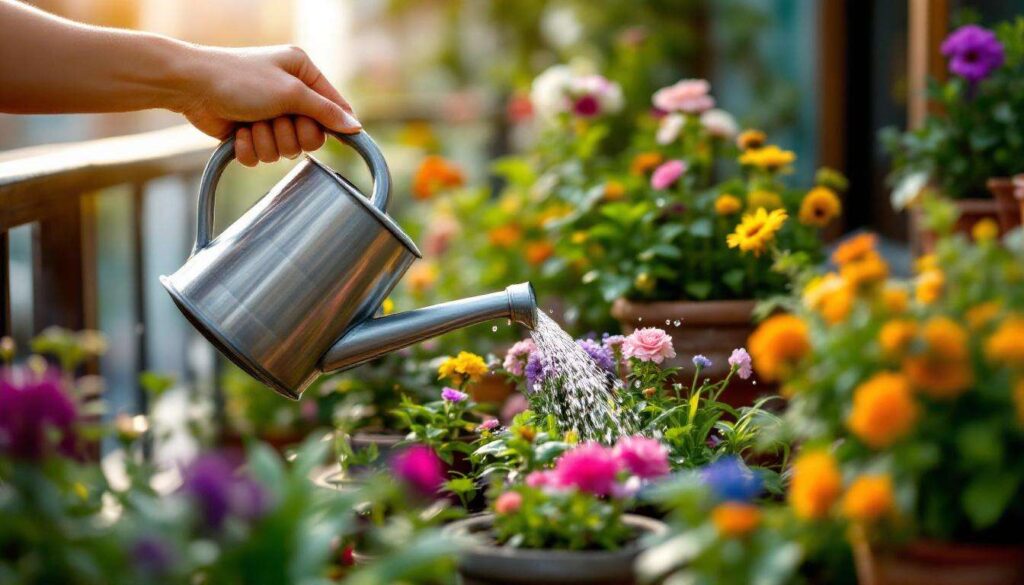
Most households discard litres of used mop water down the drain without a second thought, yet this seemingly worthless liquid could be transformed into a valuable resource for your garden. The practice of repurposing cleaning water has gained traction among environmentally conscious gardeners who recognise that every drop counts in an era of increasing water scarcity. What might appear as dirty, soapy residue actually contains nutrients and moisture that plants can utilise, provided certain precautions are observed. This approach bridges the gap between domestic cleaning routines and sustainable horticulture, offering a practical method to reduce household water consumption whilst nurturing your greenery.
Understanding the Potential of the Old Mop Bucket
What makes mop water suitable for plants
The contents of your mop bucket represent more than just dirty water. When you clean floors, the water collects organic matter, dust particles, and trace minerals that have accumulated on surfaces. These elements, though considered waste in the context of household cleaning, can provide supplementary nutrients for certain plant species. The diluted nature of most mop water means that any cleaning agents present are often sufficiently weak to pose minimal threat to hardy outdoor plants, particularly when distributed across a large garden area.
The composition of typical mop water
Understanding what goes into your cleaning bucket helps determine its suitability for garden use. Standard mop water typically contains:
- Water as the primary component, usually comprising 95-99% of the total volume
- Diluted cleaning agents, often biodegradable soaps or mild detergents
- Dirt, dust, and organic debris from floor surfaces
- Trace minerals from tap water, including calcium and magnesium
- Microscopic food particles in kitchen areas
The specific composition varies depending on the cleaning products used and the areas mopped, making it essential to assess each batch individually before application.
Historical precedent for water reuse
The concept of recycling household water is far from novel. Greywater systems have been employed in water-scarce regions for centuries, with agricultural communities traditionally reusing washing water for irrigation purposes. Modern horticulturists are simply adapting these time-tested principles to contemporary urban and suburban settings, recognising that sustainable practices often draw from historical wisdom.
Having established the fundamental potential of mop water, it becomes crucial to examine precisely how this resource benefits plant health and growth.
The Benefits for Your Plants
Moisture provision for thirsty specimens
The most obvious advantage of repurposing mop water lies in its hydration capacity. Outdoor plants, particularly during dry spells, require consistent moisture to maintain healthy root systems and foliage. Rather than allowing litres of water to disappear down the drain, redirecting this resource to your garden provides supplementary irrigation that reduces reliance on fresh tap water. This proves especially valuable for established shrubs and trees with extensive root systems that can tolerate variations in water quality.
Nutrient supplementation from organic matter
The organic particles suspended in mop water contribute trace nutrients as they decompose in soil. Whilst this certainly doesn’t replace proper fertilisation, the additional organic matter supports beneficial soil microorganisms and gradually releases minerals that plants can absorb. Kitchen floor water, in particular, may contain food residues that break down into nitrogen-rich compounds beneficial for leafy growth.
Cost savings and resource efficiency
| Household size | Weekly mop water volume | Annual water saved | Approximate cost saving |
|---|---|---|---|
| Single occupant | 5-10 litres | 260-520 litres | £0.70-£1.40 |
| Family of four | 15-25 litres | 780-1,300 litres | £2.10-£3.50 |
| Large household | 30-40 litres | 1,560-2,080 litres | £4.20-£5.60 |
These figures demonstrate that whilst individual savings may appear modest, the cumulative environmental impact across thousands of households becomes significant.
With the benefits clearly established, attention must turn to the practical methods of applying this resource effectively.
Effective Spreading Techniques
Direct soil application methods
The simplest approach involves pouring mop water directly onto soil around established plants. Focus on ornamental shrubs, mature trees, and robust perennials rather than delicate seedlings or vegetables intended for consumption. Distribute the water evenly across the root zone rather than concentrating it in one spot, which prevents waterlogging and ensures broader benefit. Apply during cooler parts of the day to minimise evaporation and allow soil absorption.
Dilution strategies for sensitive areas
For gardens containing more sensitive plantings, further dilution proves advisable. Mix your mop water with additional fresh water at a ratio of 1:1 or even 1:2 before application. This reduces the concentration of any cleaning agents whilst still providing the moisture and organic matter benefits. This technique works particularly well for:
- Flower beds containing annuals and biennials
- Young plants establishing root systems
- Areas with sandy or fast-draining soils
- Gardens in regions with naturally acidic or alkaline soil conditions
Timing and frequency considerations
Avoid treating mop water application as a primary irrigation method. Instead, view it as supplementary moisture that complements your regular watering schedule. Apply mop water no more than twice weekly to the same plants, allowing soil microorganisms time to process any cleaning agents present. During rainy periods, reduce or eliminate application to prevent oversaturation.
Whilst these techniques maximise effectiveness, certain precautions remain essential to protect both plants and soil health.
Precautions to Take to Avoid Risks
Identifying unsuitable cleaning products
Not all mop water qualifies for garden use. Avoid repurposing water containing bleach, ammonia-based cleaners, or antibacterial agents, as these chemicals can damage plant tissues and eliminate beneficial soil organisms. Similarly, water used with furniture polish, wax-based products, or harsh degreasers should be discarded conventionally. Stick to mop water created with:
- Biodegradable, plant-based cleaning solutions
- Simple soap and water mixtures
- Vinegar-based natural cleaners
- Mild, phosphate-free detergents
Protecting edible crops
Exercise extreme caution regarding food-producing plants. Never apply mop water to vegetable gardens, herb beds, or fruit-bearing plants where produce comes into direct contact with soil. The potential for contamination, however minimal, outweighs any water-saving benefits. Restrict mop water use exclusively to ornamental plantings, lawns, and non-edible landscape features.
Monitoring soil and plant health
Regular observation helps identify any adverse reactions before they become serious. Watch for signs of stress including yellowing leaves, wilting despite adequate moisture, or stunted growth. If such symptoms appear, discontinue mop water application immediately and flush the affected area with fresh water. Test soil pH periodically, as some cleaning products may gradually alter acidity levels.
Drainage and runoff management
Apply mop water only to areas where it can be fully absorbed, preventing runoff into storm drains, water features, or neighbouring properties. Proper drainage ensures that any cleaning agents present break down in soil rather than entering waterways. Create shallow depressions around target plants to contain water and promote deep soil penetration.
These protective measures ensure that water reuse remains genuinely beneficial, which connects directly to the broader environmental advantages of such practices.
The Positive Ecological Impact of Such a Practice
Reducing domestic water consumption
Household water use in the UK averages approximately 150 litres per person daily, with significant portions dedicated to cleaning activities. By repurposing just the water from weekly floor mopping, a typical family can reduce their consumption by several hundred litres annually. Whilst this represents a small fraction of total usage, collective adoption across communities creates meaningful reductions in demand on water treatment facilities and natural water sources.
Decreasing wastewater treatment burden
Every litre of water sent down drains requires energy-intensive treatment before being returned to the environment. Diverting mop water to gardens reduces the volume entering sewage systems, thereby decreasing the energy and chemical inputs needed for purification processes. This proves particularly relevant in areas where treatment facilities operate near capacity or where water infrastructure faces strain.
Supporting biodiversity and soil health
The organic matter in mop water, when properly applied, contributes to soil structure and supports diverse microbial populations. Healthy soil ecosystems in turn provide habitat for beneficial insects, earthworms, and other organisms that form the foundation of garden biodiversity. This creates a positive feedback loop where sustainable water practices enhance overall environmental quality.
Educational value and behaviour change
Adopting mop water reuse serves as a gateway to broader sustainable practices. The act of consciously redirecting waste streams encourages householders to examine other areas where resources might be conserved or repurposed. This shift in perspective often leads to additional eco-friendly behaviours, multiplying the environmental benefits beyond water savings alone.
Understanding these ecological advantages naturally leads to considering how such practices can be seamlessly incorporated into regular household routines.
Tips to Integrate This Gesture into Daily Life
Establishing a practical routine
Success with mop water reuse depends on creating effortless habits that don’t significantly increase household labour. Keep a dedicated watering can or bucket near your cleaning supplies specifically for garden-bound water. After mopping, immediately transfer the water rather than allowing it to sit, which prevents bacterial growth and unpleasant odours. Designate specific garden zones for mop water application, rotating areas to prevent over-treatment of any single location.
Seasonal adjustments and flexibility
Adapt your approach according to weather conditions and plant requirements. During summer months when gardens require more frequent irrigation, mop water becomes particularly valuable. Conversely, reduce or eliminate application during wet winters when soil remains naturally saturated. This flexible approach ensures plants receive appropriate moisture levels whilst maximising water conservation benefits.
Involving household members
Transform mop water reuse into a shared family responsibility. Teach children about water conservation through this tangible example, allowing them to help carry buckets or choose which plants receive treatment. When multiple household members participate, the practice becomes normalised rather than feeling like an additional chore for one person.
Combining with other greywater strategies
Mop water reuse works effectively alongside other household water recycling methods. Consider also repurposing:
- Water used for rinsing vegetables before cooking
- Cooled water from boiling eggs or pasta
- Aquarium water during tank cleaning
- Dehumidifier condensation in appropriate situations
Together, these strategies create a comprehensive approach to domestic water conservation that extends well beyond mopping alone.
Repurposing mop water represents a practical intersection of household efficiency and environmental stewardship. This simple practice diverts litres of usable water from waste systems whilst providing supplementary irrigation for ornamental gardens. The key lies in understanding which cleaning products prove safe for soil application, targeting appropriate plant types, and maintaining consistent monitoring for any adverse effects. Though individual water savings may seem modest, the cumulative impact of widespread adoption contributes meaningfully to reduced consumption and decreased treatment facility burden. By establishing straightforward routines and adapting techniques to seasonal conditions, households can seamlessly integrate this sustainable practice into regular cleaning schedules. The broader ecological benefits extend beyond mere water conservation, supporting soil health and encouraging a mindset shift towards resource efficiency that often inspires additional environmentally conscious behaviours throughout daily life.