



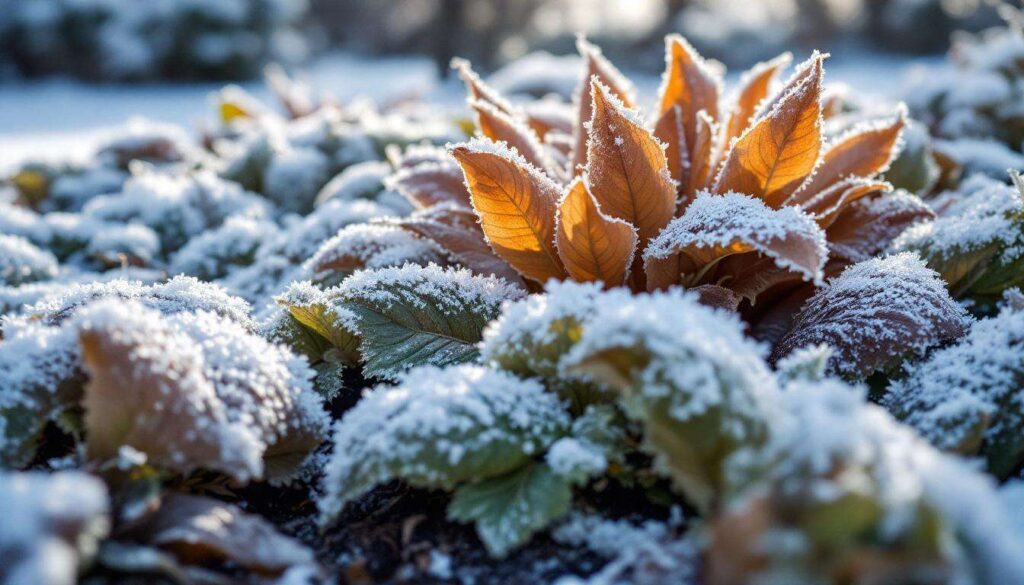
Hostas are among the most beloved perennials in British gardens, prized for their lush foliage and ability to thrive in shady spots. Yet each winter, gardeners face the same alarming sight: their once-vibrant hostas appear completely lifeless, with brown, collapsed leaves that seem beyond recovery. This dramatic transformation raises concerns for both novice and experienced gardeners alike. Understanding why this happens and knowing the proper timing for cutting back these hardy plants is essential for maintaining their health and ensuring spectacular growth when warmer weather returns.
Why hostas look dead in winter
The apparent death of hostas during winter months is actually a natural and healthy response to cold temperatures. As herbaceous perennials, hostas have evolved to survive harsh conditions by entering a state of dormancy that allows them to conserve energy and protect their vital systems.
The visual signs of dormancy
When temperatures drop consistently below 10°C, hostas begin their winter shutdown. The most noticeable changes include:
- Leaves turning yellow, then brown as chlorophyll breaks down
- Foliage collapsing and becoming mushy in texture
- Complete disappearance of the plant’s above-ground structure
- No visible signs of life at soil level
This dramatic transformation typically occurs after the first hard frost, though the exact timing varies depending on your location and local climate conditions. The leaves lose their structural integrity as the plant withdraws nutrients back into its root system, leaving behind what appears to be dead material.
What happens beneath the surface
Whilst the visible portions of your hostas may look lifeless, the root system remains very much alive underground. The rhizomes and crown continue to store energy accumulated during the growing season, preparing for the next spring’s growth. This underground survival mechanism is what makes hostas so reliably perennial, even in regions with severe winters.
Understanding this natural cycle helps gardeners appreciate that the seemingly dead appearance is not cause for concern but rather evidence of the plant’s remarkable adaptation to seasonal changes. This knowledge becomes particularly important when deciding how to care for these plants during the colder months.
Understanding the life cycle of hostas
Hostas follow a predictable annual cycle that governs their growth, dormancy, and renewal. Recognising each phase helps gardeners provide appropriate care throughout the year.
The four seasons of hosta growth
| Season | Activity | Visible Changes |
|---|---|---|
| Spring | Emergence and rapid growth | Shoots appear, leaves unfurl |
| Summer | Peak foliage display | Full leaf development, flowering |
| Autumn | Nutrient withdrawal | Yellowing leaves, decline begins |
| Winter | Complete dormancy | No above-ground presence |
The role of photoperiod and temperature
Hostas respond to both decreasing daylight hours and falling temperatures as signals to begin their dormancy process. This dual trigger system ensures that plants don’t enter dormancy prematurely during a warm autumn or delay too long and risk frost damage to actively growing tissue. The combination of shorter days and cooler nights initiates the complex biochemical processes that shut down growth and redirect resources to storage organs.
This cyclical pattern has evolved over millions of years, allowing hostas to thrive in their native Asian habitats where distinct seasons create challenging growing conditions. Modern cultivated varieties retain these same fundamental rhythms, making them perfectly suited to temperate gardens.
The importance of winter dormancy
Far from being a period of inactivity, winter dormancy serves crucial functions that are essential for the long-term health and vigour of hostas.
Energy conservation and renewal
During dormancy, hostas cease all energy-intensive processes such as photosynthesis and active growth. This metabolic slowdown allows the plant to survive on stored reserves without requiring water, nutrients, or sunlight. The energy saved during winter becomes available for the explosive spring growth that hostas are known for, enabling them to produce substantial leaf mass in just a few weeks.
Cold tolerance and survival mechanisms
The dormancy process includes several protective adaptations:
- Reduction of cellular water content to prevent ice crystal damage
- Production of natural antifreeze compounds in root tissues
- Shutdown of vulnerable above-ground structures
- Concentration of resources in protected underground organs
These mechanisms allow hostas to survive temperatures well below freezing without sustaining permanent damage. In fact, many hosta varieties require a period of cold exposure to break dormancy properly and initiate spring growth. Without adequate chilling hours, some cultivars may exhibit delayed or weak emergence.
Disease and pest management benefits
The complete die-back of foliage during winter provides an important sanitation function. Many common hosta pests and diseases overwinter in dead plant material, so the natural shedding of leaves helps reduce pest populations and disease pressure for the following season. This natural cycle of renewal contributes to the overall resilience and longevity that makes hostas such reliable garden performers.
Recognising these benefits helps gardeners work with the plant’s natural rhythms rather than against them, particularly when deciding on maintenance tasks.
When and how to cut back hostas
Timing and technique for cutting back hostas can significantly impact plant health and garden tidiness. The optimal approach depends on several factors including climate, garden aesthetics, and pest pressure.
The best time to cut back
Most experts recommend cutting back hostas after the first hard frost has caused foliage to collapse completely. This typically occurs between October and December in the UK, depending on your location. Waiting until leaves have fully yellowed and begun to brown ensures that the plant has completed its nutrient withdrawal process, maximising stored energy for spring growth.
However, you have flexibility in timing:
- Autumn cutting: removes unsightly foliage and reduces slug hiding places
- Late winter cutting: provides winter interest and natural mulch protection
- Early spring cutting: allows you to remove debris just before new growth emerges
Proper cutting technique
When you’re ready to cut back your hostas, follow these steps for best results:
Use clean, sharp secateurs or garden shears to prevent disease transmission. Cut stems approximately 2-5 centimetres above ground level, leaving enough stub to mark the plant’s location but removing most dead material. Avoid cutting into the crown itself, as this can create entry points for rot and disease.
After cutting, dispose of the foliage appropriately. If your plants showed no signs of disease or pest infestation during the growing season, the leaves can be composted. However, if you noticed slug damage, fungal spots, or virus symptoms, it’s safer to dispose of the material in household waste rather than adding it to your compost heap.
Alternative approaches
Some gardeners prefer to leave hosta foliage in place throughout winter, allowing it to decompose naturally. This approach provides a natural mulch layer that offers some insulation to the crown and adds organic matter to the soil. If you choose this method, simply rake away any remaining debris in early spring before new shoots emerge.
Whichever timing you choose, proper cutting technique ensures your hostas remain healthy and prepared for the growing season ahead, whilst appropriate winter protection can further enhance their resilience.
Tips for protecting your hostas during winter
Whilst hostas are remarkably hardy, providing some additional protection during winter can improve their performance, particularly for newly planted specimens or in exposed locations.
Mulching for insulation
Applying a layer of organic mulch around hosta crowns offers several benefits. A 5-8 centimetre layer of well-rotted compost, leaf mould, or bark chips provides insulation against extreme temperature fluctuations, which can be more damaging than consistently cold conditions. Mulch also helps retain moisture in the soil and suppresses early weed growth in spring.
Apply mulch after the ground has cooled but before the hardest frosts arrive. Avoid piling mulch directly against the crown, as this can encourage rot. Instead, create a doughnut-shaped ring around each plant, leaving a small gap at the centre.
Protection strategies for different situations
| Situation | Recommended Protection | Purpose |
|---|---|---|
| Newly planted hostas | Extra mulch layer (10cm) | Prevents frost heaving |
| Container-grown hostas | Move to sheltered location | Protects roots from freezing solid |
| Exposed sites | Windbreak or fleece cover | Reduces desiccation |
| Heavy clay soils | Improve drainage | Prevents waterlogging and rot |
What to avoid
Several common practices can actually harm hostas during winter rather than helping them. Avoid covering plants with plastic sheeting, as this traps moisture and promotes fungal diseases. Don’t apply fresh manure in autumn, as this encourages soft growth vulnerable to frost damage. Similarly, avoid fertilising after midsummer, allowing plants to harden off naturally before winter arrives.
With proper protection in place, your hostas will weather winter successfully and be primed for vigorous regrowth when conditions improve.
The regrowth of hostas in spring
The emergence of hostas in spring is one of the most rewarding sights in the garden, signalling the end of winter dormancy and the beginning of a new growing season.
Signs of spring awakening
Hosta shoots typically begin emerging when soil temperatures consistently reach 10-12°C, usually between March and May in the UK. The first signs appear as tightly rolled spears pushing through the soil surface. These shoots, often called “bullets” by enthusiasts, can grow remarkably quickly once they begin, sometimes adding several centimetres of height daily during peak growth periods.
Different varieties emerge at different times:
- Early varieties may appear in late March
- Mid-season types typically emerge in April
- Late varieties might not show until May
Supporting spring growth
As shoots emerge, you can support vigorous growth by providing appropriate care. Remove any remaining winter mulch or debris from around the crown to allow shoots to emerge freely. Apply a balanced fertiliser once shoots are 5-10 centimetres tall, avoiding direct contact with emerging foliage. Ensure adequate moisture during this critical growth period, as hostas develop most of their leaf mass within the first six weeks of emergence.
Watching for problems
Spring is also the time to watch for potential issues. Late frosts can damage emerging foliage, though this rarely affects the plant’s overall health as new leaves will develop. Slug and snail damage is most problematic during emergence, so implement control measures early. Monitor for any crowns that fail to emerge, as this may indicate rot or other problems requiring attention.
The reliable return of hostas each spring demonstrates the success of their winter survival strategy and rewards gardeners who have provided appropriate care throughout the dormant period.
Hostas’ winter appearance, whilst alarming to the uninitiated, represents a sophisticated survival strategy that has evolved over millennia. The apparent death of foliage masks the continued vitality of underground structures, which remain poised to produce spectacular growth when conditions improve. By understanding the natural cycle of dormancy, cutting back at appropriate times, and providing sensible winter protection, gardeners can ensure their hostas return year after year with undiminished vigour. The dramatic transformation from seemingly lifeless crowns to lush mounds of foliage exemplifies the resilience and reliability that makes hostas indispensable in temperate gardens.