



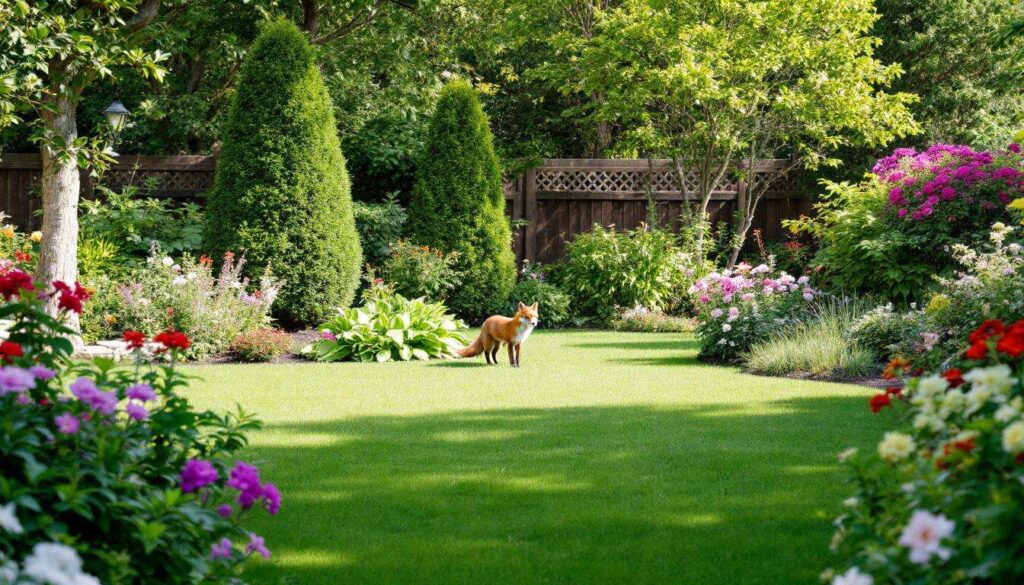
Urban foxes have become increasingly common visitors to British gardens, drawn by accessible food sources, shelter opportunities, and the relative safety of residential areas. Whilst these adaptable creatures may appear charming from a distance, their presence can create genuine concerns for householders. From disturbed rubbish bins and damaged lawns to noise disturbances during mating season and potential risks to small pets, foxes can significantly impact your outdoor space. Fortunately, numerous humane and effective strategies exist to discourage foxes from taking up residence in your garden without causing them harm.
Understanding fox behaviour
Why foxes enter gardens
Foxes venture into residential gardens primarily for three fundamental reasons: food availability, suitable denning sites, and territorial expansion. These opportunistic omnivores possess remarkably adaptable feeding habits, consuming everything from discarded takeaway containers to fallen fruit, bird seed, and small mammals. Gardens offering easy access to such resources become attractive destinations for foxes seeking to minimise energy expenditure whilst foraging.
Urban environments provide foxes with distinct advantages over rural habitats. The abundance of food waste, reduced predator presence, and warmer microclimates created by buildings make residential areas particularly appealing. Foxes typically establish territories ranging from 0.5 to 5 square kilometres, and your garden may simply fall within an established fox territory rather than being specifically targeted.
Seasonal patterns and activity cycles
Fox behaviour follows predictable seasonal patterns that influence their garden presence. During winter months, particularly between December and February, foxes become notably more vocal and visible as they enter their mating season. The distinctive screaming sounds often attributed to foxes occur predominantly during this period, causing considerable disturbance to residents.
Spring brings the birth of cubs, usually between March and May, when vixens seek secure denning locations. Gardens with accessible spaces beneath sheds, decking, or in overgrown areas may become maternity dens. Summer sees increased fox activity as cubs venture outdoors and learn foraging behaviours, whilst autumn prompts dispersal of young foxes seeking new territories.
Recognising signs of fox presence
Identifying fox activity in your garden enables targeted deterrent strategies. Common indicators include:
- Distinctive musky odour from fox urine and faeces
- Paw prints measuring approximately 4.5cm wide with visible claw marks
- Droppings roughly 2cm diameter, often containing visible fur, bones, or seeds
- Disturbed bins, scattered rubbish, or excavated lawns
- Damaged fencing or enlarged gaps beneath structures
- Missing shoes, toys, or other objects taken for cubs to play with
Understanding these behavioural patterns provides essential context for implementing appropriate deterrent measures that address the root causes of fox visits.
Assessing the risks and impact of foxes
Potential damage to property and gardens
Foxes can inflict various forms of damage to residential properties, though the severity varies considerably. Lawn excavation represents one of the most common complaints, as foxes dig for earthworms, grubs, and cached food items, leaving unsightly holes and displaced turf. Flowerbeds and vegetable patches may suffer similar disturbance, particularly when foxes bury surplus food.
Structural damage occasionally occurs when foxes create dens beneath sheds, decking, or outbuildings. Their excavation activities can undermine foundations and create unstable structures. Additionally, foxes may damage pond liners whilst drinking, tear open rubbish bags, and scatter waste across gardens, creating both mess and potential health hazards.
Health and safety considerations
Whilst foxes rarely pose direct threats to humans, several health considerations warrant attention. Fox faeces may contain parasites, including Toxocara canis and Echinococcus multilocularis, though the latter remains extremely rare in Britain. These parasites can potentially transmit to humans through contaminated soil contact, making garden hygiene particularly important in households with young children.
| Risk Factor | Likelihood | Mitigation |
|---|---|---|
| Disease transmission | Low | Avoid direct contact, wear gloves when gardening |
| Pet conflicts | Moderate | Supervise small pets outdoors, secure housing |
| Physical injury to humans | Very low | Never attempt to hand-feed or corner foxes |
Impact on pets and wildlife
Concerns about foxes threatening pets require balanced assessment. Healthy adult cats rarely face danger from foxes, and confrontations typically result in mutual avoidance. However, small pets including rabbits, guinea pigs, chickens, and ducks remain vulnerable, particularly when housed in inadequately secured enclosures. Young, elderly, or unwell cats may also be at increased risk.
Foxes naturally prey upon garden wildlife, including hedgehogs, amphibians, and ground-nesting birds. This predation forms part of normal ecological processes, though it may distress wildlife enthusiasts. Securing appropriate deterrents protects both domestic animals and encourages biodiversity in your garden space.
Natural methods to deter foxes
Removing food sources and attractions
Eliminating accessible food represents the most effective natural deterrent strategy. Foxes quickly abandon locations offering insufficient rewards for their efforts. Implement these essential practices:
- Store refuse in secure bins with lockable lids or weight-down mechanisms
- Remove bird feeders or use fox-proof designs that prevent spillage
- Clear fallen fruit promptly from beneath trees
- Avoid leaving pet food outdoors overnight
- Compost bins should have secure bases and lids to prevent access
- Clean barbecue areas thoroughly after use
Maintaining scrupulous garden hygiene removes the primary incentive for fox visits. Within several weeks of consistent food source removal, foxes typically redirect their foraging efforts elsewhere.
Scent-based deterrents
Foxes possess highly developed olfactory senses, making scent-based deterrents potentially effective. Commercial scent markers containing synthetic predator urine can create the impression of territorial competition, encouraging foxes to avoid the area. However, these products require regular reapplication, particularly following rainfall.
Various household substances may also discourage foxes through unpleasant odours. Scatter crushed garlic cloves, chilli pepper flakes, or citrus peel around garden boundaries and known fox pathways. White vinegar sprayed on hard surfaces creates an unwelcoming scent barrier. These natural options require frequent renewal but avoid introducing harmful chemicals to your garden environment.
Creating an unwelcoming environment
Modifying your garden’s physical characteristics reduces its appeal to foxes. Maintain short grass and trim vegetation to eliminate cover where foxes feel secure. Remove potential denning sites by blocking access beneath sheds, decking, and outbuildings using chicken wire or hardware cloth buried at least 30cm deep and extending outwards.
Motion-activated devices provide effective harassment without direct confrontation. Water sprinklers triggered by movement startle foxes and create negative associations with your garden. Similarly, ultrasonic deterrents emit high-frequency sounds unpleasant to foxes whilst remaining inaudible to most humans. Position these devices strategically along entry points and areas of frequent fox activity for maximum effectiveness.
Using commercial repellents safely
Types of available products
The market offers numerous commercial fox repellents, each employing different deterrent mechanisms. Scent-based repellents typically contain synthetic predator urine or unpleasant chemical compounds designed to trigger avoidance responses. Granular formulations scatter around garden perimeters, whilst liquid concentrates allow targeted application to specific areas.
Gel repellents provide longer-lasting protection in concentrated doses, particularly useful for protecting specific plants or structures. Some products combine multiple deterrent elements, incorporating both scent and taste aversives to discourage foxes from marking territory or consuming garden plants.
Application guidelines and effectiveness
Proper application significantly influences repellent effectiveness. Always follow manufacturer instructions precisely regarding dosage, application frequency, and safety precautions. Most products require reapplication every two to four weeks, with increased frequency necessary during wet weather conditions that dilute or wash away active ingredients.
Apply repellents around garden boundaries, known fox entry points, and areas showing signs of fox activity. Avoid applying products directly to edible plants unless specifically labelled as safe for food crops. Consistency proves crucial for success, as irregular application allows foxes to test boundaries and potentially habituate to deterrents.
Safety considerations for pets and wildlife
When selecting commercial repellents, prioritise products certified as safe for domestic animals and non-target wildlife. Many formulations contain ingredients potentially harmful if ingested by pets or beneficial garden creatures. Read labels carefully and select products specifically marketed as pet-safe when households include dogs, cats, or other animals with garden access.
Store all repellent products securely away from children and pets. Wash hands thoroughly after application and prevent pets from accessing treated areas until products have dried completely. Consider the broader environmental impact of chemical repellents, particularly regarding soil health, water sources, and beneficial insects that contribute to garden ecosystems.
Implementing effective physical barriers
Fencing solutions and specifications
Properly constructed fencing provides the most reliable long-term fox exclusion method. Standard garden fencing rarely suffices, as foxes can jump heights exceeding 1.8 metres and squeeze through surprisingly small gaps. Effective fox-proof fencing requires minimum heights of 2 metres with additional considerations for determined individuals.
Install fencing with mesh or panel gaps no larger than 8cm to prevent foxes squeezing through. Extend fencing at least 30cm below ground level, angled outwards in an L-shape to prevent digging underneath. Alternatively, lay wire mesh horizontally at ground level extending 45cm outwards from the fence base, which foxes find difficult to excavate.
Securing vulnerable areas
Gardens contain numerous potential entry points beyond perimeter fencing. Address these vulnerabilities systematically:
- Block gaps beneath gates using metal kick plates or rubber seals
- Secure spaces under sheds and decking with wire mesh or wooden boards
- Repair damaged fencing sections promptly
- Trim overhanging branches that provide climbing access over fences
- Install trellis extensions angled outwards at fence tops
Protecting specific garden features
Certain garden elements require targeted protection strategies. Ponds attract foxes seeking water sources, so consider installing pond covers overnight or creating steep-sided designs that discourage access. Vegetable patches benefit from temporary electric fencing systems delivering mild shocks that condition foxes to avoid the area without causing injury.
For households keeping chickens or rabbits, invest in robust housing with secure floors, reinforced mesh, and predator-proof locks. Ensure enclosures have mesh with maximum 2.5cm spacing and inspect regularly for signs of attempted entry or structural weakness. These protective measures create environments where vulnerable animals remain safe despite fox presence in surrounding areas.
Adopting long-term solutions for a secure garden
Maintaining vigilance and consistency
Successful fox deterrence requires ongoing commitment rather than one-time interventions. Establish regular inspection routines to identify new signs of fox activity, fence damage, or emerging vulnerabilities. Seasonal adjustments may prove necessary, with heightened vigilance during spring denning season and winter mating periods when fox activity intensifies.
Document which deterrent methods prove most effective in your specific situation, allowing refinement of strategies over time. Foxes demonstrate remarkable adaptability, potentially overcoming initially successful deterrents, necessitating periodic rotation of techniques to maintain effectiveness.
Community approaches and neighbourhood cooperation
Fox deterrence achieves greatest success through coordinated neighbourhood efforts. Individual gardens implementing strict food hygiene whilst neighbouring properties provide easy meals ultimately prove ineffective, as foxes simply adjust their routes. Engage neighbours in discussions about collective deterrent strategies, sharing successful techniques and addressing communal attractants.
Consider establishing neighbourhood agreements regarding refuse storage, feeding wildlife, and maintaining secure fencing. Community-wide implementation of deterrent measures creates larger exclusion zones that genuinely discourage foxes from establishing territories in residential areas.
When to seek professional assistance
Certain situations warrant professional intervention. Persistent fox problems despite implementing multiple deterrent strategies may indicate established dens requiring specialist removal techniques. Professional pest control services possess expertise in humane fox management and can assess complex situations beyond typical householder capabilities.
Contact local authorities or wildlife management organisations when foxes display unusual behaviour, appear injured or diseased, or when cubs become orphaned. Never attempt to handle foxes directly or interfere with dens containing cubs without professional guidance, as doing so may violate wildlife protection legislation and compromise animal welfare.
Successfully deterring foxes from gardens requires understanding their behaviour, implementing multiple complementary strategies, and maintaining consistent efforts over time. By removing food sources, employing natural and commercial deterrents appropriately, installing effective physical barriers, and adopting long-term management approaches, householders can create environments that discourage fox habitation whilst respecting these adaptable creatures’ place in urban ecosystems. Patience and persistence ultimately reward gardeners with peaceful outdoor spaces free from unwanted vulpine visitors.