


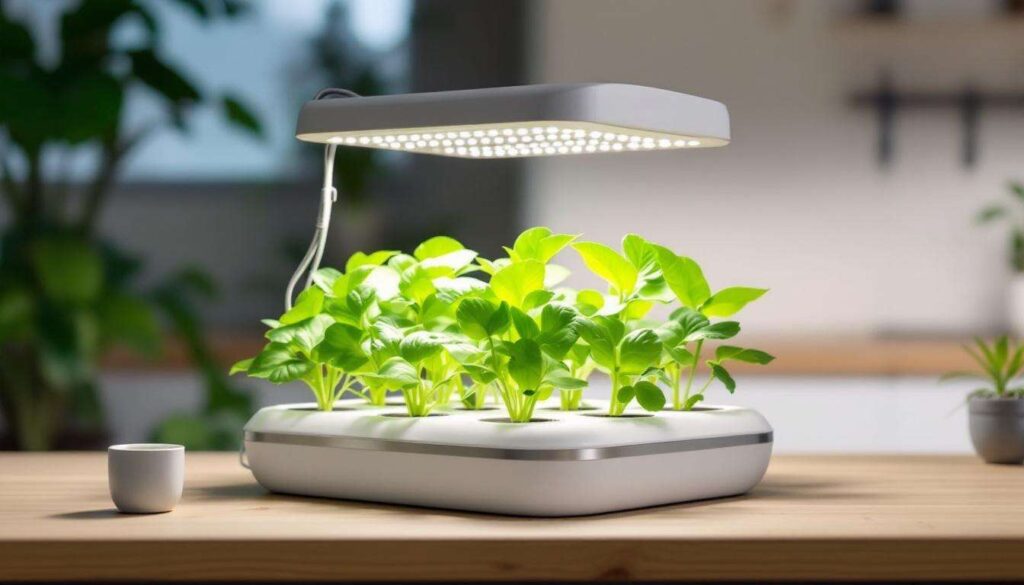
Growing fresh produce at home has never been more accessible, thanks to affordable hydroponic technology that transforms any indoor space into a productive garden. For just £25, beginners can now start their journey into soil-free cultivation, enjoying fresh herbs, vegetables and leafy greens year-round regardless of outdoor weather conditions. This budget-friendly approach eliminates traditional gardening barriers whilst offering a fascinating glimpse into modern agricultural methods that conserve water and maximise growth efficiency.
Understanding the $30 Hydroponic System
What Makes This System Affordable and Effective
The basic hydroponic kit at this price point typically includes essential components that work together to deliver nutrients directly to plant roots. These starter systems generally feature a reservoir container, growing medium, nutrient solution, and a simple water circulation mechanism. Unlike expensive commercial setups, budget-friendly versions focus on simplicity and functionality rather than automated features, making them perfect for those testing hydroponic gardening before investing in larger installations.
Key Components Included
Most affordable hydroponic systems contain the following elements:
- Food-grade plastic reservoir with lid
- Net pots for holding plants
- Growing medium such as clay pebbles or rockwool
- Air pump and air stone for oxygenation
- Basic nutrient solution starter pack
- pH testing kit or strips
Comparing Budget Systems to Premium Options
| Feature | Budget System (£25) | Premium System (£150+) |
|---|---|---|
| Plant capacity | 4-6 plants | 12-24 plants |
| Automation | Manual monitoring | Automated pumps and timers |
| Growing lights | Not included | LED lights integrated |
| Ideal for | Beginners, small spaces | Experienced growers |
The affordability of entry-level systems removes financial risk whilst providing hands-on learning opportunities. Once gardeners understand the fundamentals through practical experience with budget equipment, they can make informed decisions about upgrading to more sophisticated setups. This foundation naturally leads to exploring why hydroponic methods have gained such widespread popularity amongst home gardeners.
Why Choose Hydroponic Gardening
Water Conservation Benefits
Hydroponic systems use up to 90% less water than traditional soil gardening because water recirculates within the closed system rather than draining away or evaporating from soil surfaces. This efficiency proves particularly valuable in regions facing water restrictions or for environmentally conscious individuals seeking to reduce their ecological footprint. The controlled environment prevents waste whilst ensuring plants receive precisely the moisture they require.
Faster Growth Rates and Higher Yields
Plants grown hydroponically typically mature 30-50% faster than their soil-grown counterparts. Direct access to nutrients, optimal oxygen levels at root zones, and elimination of soil-borne diseases contribute to this accelerated development. Lettuce varieties that require eight weeks in traditional gardens often reach harvest size in just five weeks using hydroponic methods, allowing for more frequent harvests throughout the year.
Space Efficiency for Urban Dwellers
Vertical hydroponic arrangements maximise limited space, making them ideal for:
- Flat balconies and patios
- Kitchen countertops with adequate lighting
- Spare rooms converted to growing areas
- Basement spaces with artificial lighting
These advantages demonstrate why countless individuals have embraced soil-free cultivation, but success depends on proper installation and understanding of the setup process.
How to Easily Set Up Your System at Home
Step-by-Step Assembly Instructions
Setting up a basic hydroponic system requires minimal technical knowledge. Begin by thoroughly cleaning the reservoir with mild soap and water, then rinse completely to remove any residue. Position the lid securely and insert net pots into pre-cut holes, ensuring they fit snugly without gaps. Fill the reservoir with clean water to approximately 2-3 centimetres below the net pot bottoms, allowing roots to reach moisture whilst preventing submersion of the growing medium.
Preparing the Nutrient Solution
Mix the hydroponic nutrient concentrate according to manufacturer specifications, typically adding 5-10 millilitres per litre of water. Use a measuring syringe for accuracy, as incorrect concentrations can damage plants or stunt growth. After mixing thoroughly, test the pH level, aiming for a range between 5.5 and 6.5 for most vegetables and herbs. Adjust using pH up or down solutions available from gardening suppliers.
Installing the Aeration System
Connect the air stone to the air pump using provided tubing, then place the stone at the reservoir bottom. The continuous bubble stream oxygenates the nutrient solution, preventing root rot and promoting healthy development. Position the pump above water level to prevent backflow, and ensure it runs constantly to maintain dissolved oxygen levels.
With the system assembled and running, gardeners can immediately appreciate the practical benefits that extend beyond the growing process itself.
The Benefits of Indoor Gardening
Year-Round Fresh Produce
Indoor hydroponic gardens eliminate seasonal limitations, providing fresh ingredients regardless of external temperatures or weather patterns. Winter salads, summer herbs, and spring vegetables all thrive simultaneously under controlled conditions. This consistency ensures a reliable supply of nutritious greens without dependence on supermarket availability or imported produce with questionable freshness.
Pesticide-Free Growing Environment
Indoor cultivation naturally protects plants from common outdoor pests such as aphids, caterpillars and slugs. The absence of soil also eliminates many fungal diseases and bacterial infections that plague traditional gardens. Consequently, growers avoid chemical pesticides entirely, producing genuinely organic vegetables and herbs with complete knowledge of their cultivation history.
Educational Value for Families
Hydroponic systems offer exceptional learning opportunities for children and adults alike. Observing root development through transparent containers, understanding nutrient absorption, and witnessing accelerated growth cycles provide tangible science lessons. Many families report increased vegetable consumption amongst children who have participated in growing their own food.
Understanding these advantages helps inform decisions about which crops will flourish best in your particular setup.
What Types of Plants to Grow with a Hydroponic System
Best Beginner-Friendly Options
Certain plants adapt particularly well to hydroponic cultivation and tolerate minor mistakes during the learning phase. Lettuce varieties top the recommendation list, growing rapidly with minimal fuss and providing continuous harvests through cut-and-come-again techniques. Basil, mint, and parsley similarly thrive with basic care, whilst spinach and rocket offer nutrient-dense options for health-conscious growers.
Plants Requiring More Experience
| Plant Type | Difficulty Level | Special Requirements |
|---|---|---|
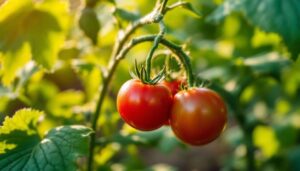
| Tomatoes | Intermediate | Support structures, pollination |
| Peppers | Intermediate | Higher light intensity, patience |
| Strawberries | Advanced | Temperature control, specific nutrients |
| Cucumbers | Advanced | Large space, training systems |
Herbs That Flourish Hydroponically
The following herbs perform exceptionally well in budget systems:
- Basil: rapid growth, multiple varieties available
- Coriander: quick germination, frequent harvests
- Chives: perennial growth, minimal maintenance
- Oregano: drought-tolerant, intense flavour development
- Thyme: compact growth, suitable for small systems
Selecting appropriate plants sets the foundation for success, but ongoing care determines long-term productivity and plant health.
Tips for Maintaining Your Hydroponic Garden
Regular Monitoring Schedule
Daily visual inspections catch potential problems before they escalate. Check water levels each morning, topping up as needed to maintain consistent depth. Observe leaf colour and texture for signs of nutrient deficiencies or excesses, noting any yellowing, browning, or unusual spotting. Weekly pH and nutrient concentration tests ensure the solution remains within optimal parameters for plant uptake.
Cleaning and System Maintenance
Complete system cleaning every 2-3 weeks prevents algae buildup and mineral deposits. Remove plants temporarily, drain the reservoir completely, and scrub all surfaces with a mixture of water and hydrogen peroxide. Rinse thoroughly before refilling with fresh nutrient solution. Replace growing medium when it becomes compacted or shows signs of deterioration, typically every 3-4 months depending on plant type.
Troubleshooting Common Issues
Address these frequent challenges promptly:
- Yellowing leaves: often indicates nitrogen deficiency, increase nutrient concentration slightly
- Stunted growth: check pH levels and ensure adequate oxygenation
- Root discolouration: may signal root rot, improve aeration and reduce water temperature
- Algae growth: reduce light exposure to nutrient solution, cover reservoir openings
Consistent maintenance routines transform initial enthusiasm into sustained success, ensuring your hydroponic garden continues producing fresh food for months and years ahead.
Affordable hydroponic systems democratise food production, enabling anyone with minimal space and modest investment to grow nutritious vegetables and herbs indoors. The combination of water efficiency, accelerated growth rates, and year-round availability makes this cultivation method increasingly relevant for modern households. By starting with budget-friendly equipment, selecting appropriate beginner plants, and maintaining consistent care routines, newcomers can quickly develop confidence and skills that may eventually expand into larger, more sophisticated growing operations that supply substantial portions of household food needs.