


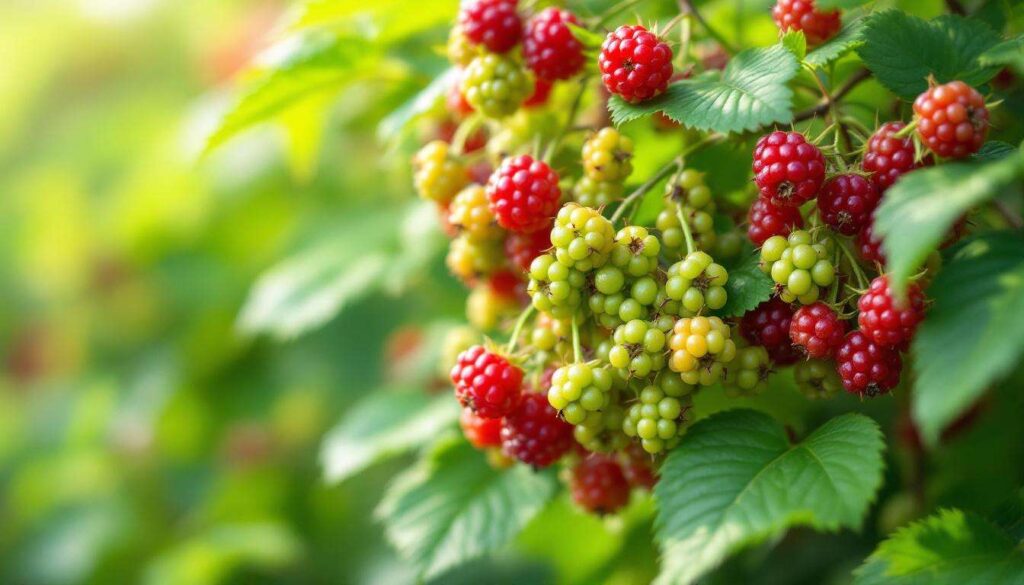
Gooseberries are among the most rewarding fruit bushes for the home gardener, delivering generous crops of tart, flavourful berries perfect for pies, jams, and desserts. Yet many growers struggle with disappointing harvests, often because they’ve pruned at the wrong time or used inappropriate techniques. Strategic pruning is essential for maintaining plant health, encouraging vigorous growth, and ensuring abundant fruit production year after year. Understanding precisely when and how to prune these hardy shrubs can transform a modest bush into a prolific producer. The difference between a mediocre crop and baskets overflowing with berries often comes down to timing and technique.
When to prune gooseberries to maximise fruit production
Winter pruning for established bushes
The optimal window for pruning gooseberries falls during their dormant period, typically between late November and early March. This timing allows you to shape the plant without causing stress or sacrificing potential fruit. Gooseberries fruit on wood that’s one year old or older, so winter pruning focuses on removing dead, damaged, or congested growth whilst maintaining productive branches.
- Prune when the plant is fully dormant and leaves have dropped
- Choose a dry day to reduce disease transmission
- Avoid pruning during severe frost, which can damage cut surfaces
- Complete pruning before buds begin to swell in early spring
Summer pruning for shape and airflow
Light summer pruning in late June or July serves a different purpose from winter maintenance. This technique involves shortening new side shoots to approximately five leaves, which improves air circulation and allows sunlight to reach developing fruit. Summer pruning also helps control vigorous growth and reduces the risk of mildew, a common gooseberry affliction. However, avoid heavy pruning during the growing season, as this removes too much foliage needed for photosynthesis and fruit development.
| Pruning season | Primary purpose | Recommended timing |
|---|---|---|
| Winter | Structural shaping, removing old wood | November to March |
| Summer | Airflow improvement, light thinning | Late June to July |
Understanding these seasonal rhythms provides the foundation for successful gooseberry cultivation, but recognising the environmental factors that influence timing proves equally important.
The importance of timing: why the season matters
Dormancy and plant physiology
During dormancy, gooseberry bushes conserve energy and redirect resources to root development rather than above-ground growth. Pruning whilst the plant is dormant minimises stress because the bush isn’t actively producing leaves or fruit. Cutting during active growth forces the plant to heal wounds whilst simultaneously supporting foliage and berry production, which can weaken the overall structure and reduce yields.
Disease prevention through strategic timing
Fungal diseases and bacterial infections spread more readily during warm, humid conditions. Winter pruning significantly reduces disease risk because pathogens are less active in cold weather. Wounds heal more slowly in winter, but the reduced pathogen activity compensates for this. Spring and summer cuts, by contrast, can serve as entry points for infections when disease pressure is highest.
- Cold temperatures inhibit fungal spore germination
- Dry winter conditions prevent bacterial spread
- Dormant plants allocate resources to wound healing
- Reduced sap flow in winter minimises bleeding from cuts
Regional climate considerations
Your specific location influences the precise pruning window. In milder southern regions, pruning can begin earlier in winter, whilst northern gardeners should wait until the harshest weather has passed. Local frost patterns determine when it’s safe to prune without risking damage to fresh cuts. Observing your specific microclimate helps refine timing for optimal results.
Beyond calendar dates, the plant itself provides valuable indicators that signal readiness for pruning.
Tell-tale signs for pruning gooseberries
Visual indicators of dormancy
The most reliable signal that your gooseberry bush is ready for winter pruning is complete leaf drop. Once all foliage has fallen and buds remain tight and dormant, the plant has entered its resting phase. Attempting to prune whilst leaves still cling to branches or buds show signs of swelling risks interrupting the plant’s natural cycle and reducing fruit production.
Structural issues requiring attention
Certain conditions demand pruning regardless of the ideal seasonal window. Broken branches, diseased wood showing cankers or discolouration, and crossing stems that rub against each other should be removed promptly to prevent further damage or infection spread.
- Dead wood that’s brittle and discoloured
- Branches damaged by storms or heavy snow
- Stems showing signs of sawfly damage or disease
- Congested growth in the bush centre blocking airflow
Age-related pruning needs
Mature gooseberry bushes over three years old benefit from regular pruning to maintain productivity. Older wood becomes less fruitful, so identifying branches that have produced for several seasons helps target what to remove. These older stems typically appear darker, thicker, and less flexible than younger growth, which shows lighter bark and greater suppleness.
Once you’ve identified the right timing and assessed your plant’s needs, proper preparation ensures the pruning process proceeds smoothly and safely.
Preparing tools and necessary materials
Essential pruning equipment
Sharp, clean tools are non-negotiable for successful gooseberry pruning. Bypass secateurs handle stems up to approximately 2cm diameter, whilst loppers tackle thicker branches. A small pruning saw proves invaluable for removing old, woody growth. Blunt tools crush stems rather than making clean cuts, creating entry points for disease and slowing healing.
| Tool | Primary use | Maintenance requirement |
|---|---|---|
| Bypass secateurs | Stems under 2cm | Sharpen and disinfect before use |
| Loppers | Branches 2-4cm | Oil joints, clean blades |
| Pruning saw | Thick, old wood | Clean teeth, remove sap residue |
Hygiene and disease prevention
Disinfecting tools between plants prevents disease transmission. A solution of one part household bleach to nine parts water effectively sterilises blades. Alternatively, methylated spirits or commercial disinfectants work well. Allow tools to air dry before use, and repeat disinfection if you encounter diseased wood during pruning.
Personal protective equipment
Gooseberry bushes are notoriously thorny, making protective clothing essential. Thick gardening gloves, long sleeves, and eye protection prevent scratches and injuries. Some gardeners prefer gauntlet-style gloves that extend over the wrists for additional protection against particularly vicious thorns.
- Thorn-proof gloves with reinforced palms
- Long-sleeved shirt or jacket
- Safety glasses to protect eyes from wayward branches
- Kneeling pad for comfortable access to lower branches
With tools prepared and safety measures in place, avoiding common errors becomes the next priority for achieving excellent results.
Avoiding common mistakes when pruning
Over-pruning and its consequences
The most frequent error is removing too much growth in a single session. Gooseberries tolerate pruning well, but excessive cutting stresses the plant and reduces fruiting potential. Never remove more than one-third of the bush in any year. If a neglected plant requires significant renovation, spread the work across two or three seasons to allow recovery between sessions.
Incorrect cutting techniques
Cuts should be made just above an outward-facing bud at a slight angle, allowing water to run off rather than pooling on the cut surface. Cutting too close damages the bud, whilst leaving excessive stem creates die-back that invites disease. Ragged, torn cuts from blunt tools heal poorly and increase infection risk.
- Cut at a 45-degree angle approximately 5mm above the bud
- Ensure the bud faces outward to encourage open growth
- Remove entire branches at their base rather than leaving stubs
- Avoid tearing bark when removing larger branches
Neglecting the bush centre
Many gardeners focus on outer growth whilst ignoring congested centres. Poor air circulation in the bush interior creates ideal conditions for mildew and fungal diseases. Removing inward-growing stems and thinning crowded areas allows light penetration and air movement, significantly improving plant health and fruit quality.
Proper pruning sets the stage for success, but post-pruning care determines whether your efforts translate into abundant harvests.
Maintaining and boosting fruit production after pruning
Feeding and mulching strategies
Following winter pruning, apply a balanced fertiliser in early spring as growth resumes. A general-purpose feed with equal nitrogen, phosphorus, and potassium supports both foliage and fruit development. Mulching around the base with well-rotted compost or manure retains moisture, suppresses weeds, and gradually releases nutrients throughout the growing season.
Watering requirements post-pruning
Whilst established gooseberries tolerate drought reasonably well, consistent moisture during fruit development significantly improves berry size and quality. Water deeply during dry spells, particularly from flowering through harvest. Avoid overhead watering, which promotes fungal diseases; instead, direct water to the root zone.
- Provide approximately 2.5cm of water weekly during dry periods
- Increase watering frequency as berries swell
- Reduce watering as fruit approaches ripeness to concentrate flavours
- Maintain consistent moisture to prevent fruit splitting
Ongoing maintenance for sustained productivity
Regular monitoring throughout the growing season allows early detection of problems. Check for pest damage, particularly from sawfly larvae that can defoliate bushes rapidly. Remove any diseased or damaged growth promptly, even outside the main pruning window. Annual pruning combined with attentive care maintains vigorous, productive bushes that reward your efforts with abundant crops for many years.
Successful gooseberry cultivation hinges on understanding the critical relationship between pruning timing and plant physiology. Winter pruning during dormancy provides the structural framework for healthy growth, whilst light summer maintenance improves fruit quality and disease resistance. Recognising visual indicators of readiness, using properly maintained tools, and avoiding common errors such as over-pruning or poor cutting technique all contribute to thriving plants. Post-pruning care through appropriate feeding, mulching, and watering transforms pruning efforts into tangible results. By respecting the plant’s natural rhythms and responding to its specific needs, gardeners can enjoy bountiful harvests of delicious gooseberries season after season.