



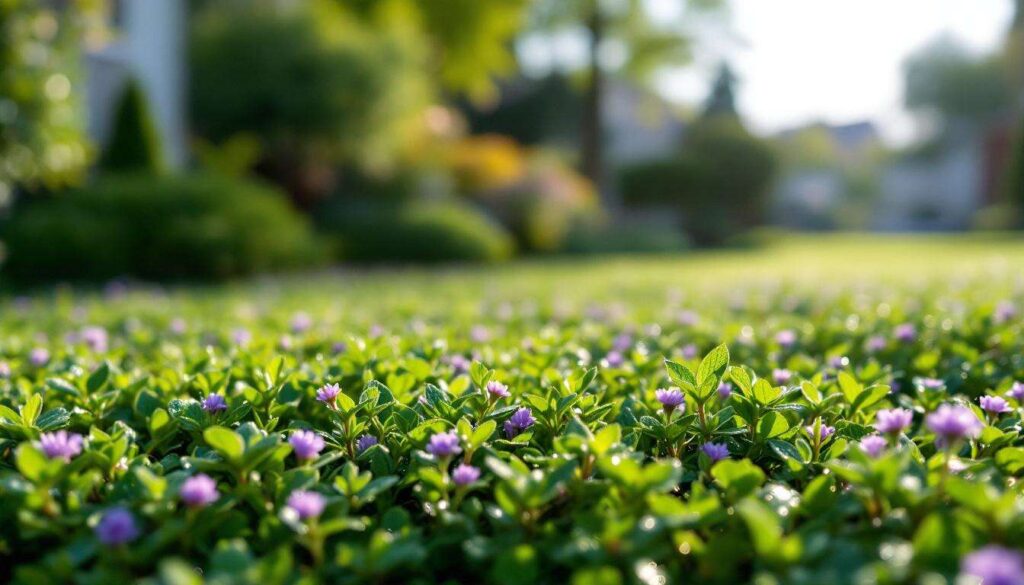
Traditional grass lawns have long dominated residential landscapes, yet a growing number of homeowners are discovering a compelling alternative that challenges conventional gardening wisdom. Creeping thyme, a low-growing aromatic herb, is rapidly gaining recognition as a practical and visually appealing substitute for traditional turf. This shift represents more than a passing trend; it reflects a fundamental reconsideration of what a lawn should be. As environmental concerns intensify and maintenance demands become increasingly burdensome, creeping thyme offers a solution that addresses multiple challenges simultaneously. Its ability to thrive in diverse conditions whilst requiring minimal intervention makes it particularly attractive to those seeking a more sustainable approach to garden design.
Why replace your lawn with creeping thyme
Water conservation advantages
Grass lawns consume enormous quantities of water, particularly during summer months when rainfall becomes scarce. Creeping thyme, by contrast, demonstrates remarkable drought tolerance once established. After an initial establishment period of approximately six to eight weeks, this hardy ground cover requires significantly less irrigation than conventional turf. In regions experiencing water restrictions or elevated utility costs, this characteristic alone justifies the transition. Homeowners report reductions of up to 75% in watering requirements compared to traditional lawns, translating into substantial financial savings and reduced environmental impact.
Elimination of chemical treatments
Traditional lawns typically demand regular applications of various chemical products to maintain their appearance:
- Synthetic fertilisers to promote growth and colour
- Herbicides to control unwanted vegetation
- Pesticides to combat lawn-damaging insects
- Fungicides to prevent disease outbreaks
Creeping thyme naturally resists most common lawn pests and diseases, eliminating the need for these interventions. Its dense growth pattern suppresses weed development, whilst its aromatic oils deter many insects that would otherwise cause damage. This chemical-free approach benefits not only the immediate environment but also protects local waterways from agricultural runoff.
Reduced mowing requirements
The time and energy invested in lawn maintenance represents a considerable burden for many households. Creeping thyme grows to a maximum height of approximately 7-10 centimetres, and many homeowners choose never to mow it at all. Those who prefer a more manicured appearance might trim it once or twice annually, a stark contrast to the weekly mowing schedule demanded by traditional grass. This reduction eliminates noise pollution, air pollution from petrol-powered equipment, and the physical labour associated with regular lawn care.
Beyond these practical considerations, creeping thyme lawns support local ecosystems in ways that traditional turf simply cannot match.
The ecological benefits of creeping thyme
Pollinator support and biodiversity
When creeping thyme blooms, typically from late spring through summer, it produces countless small flowers that attract a diverse array of pollinators. Bees, butterflies, and beneficial insects visit these blooms in abundance, creating a vibrant ecosystem within your garden. This characteristic proves particularly valuable as pollinator populations face mounting pressures from habitat loss and pesticide exposure. A creeping thyme lawn essentially transforms your outdoor space into a functional pollinator habitat whilst maintaining its utility as a ground cover.
Soil health improvement
Unlike grass, which develops shallow root systems requiring constant feeding, creeping thyme establishes deeper roots that improve soil structure over time. These roots help prevent erosion on slopes whilst facilitating better water infiltration. The plant’s growth habit also creates a protective layer that moderates soil temperature and reduces moisture evaporation. As older plant material decomposes, it contributes organic matter to the soil, gradually enhancing fertility without artificial amendments.
Carbon footprint reduction
The environmental cost of maintaining traditional lawns extends beyond water and chemical use. Consider the carbon emissions associated with:
- Manufacturing and transporting lawn care products
- Operating petrol-powered mowing equipment
- Producing synthetic fertilisers through energy-intensive processes
- Municipal water treatment and distribution systems
By eliminating or drastically reducing these requirements, creeping thyme lawns contribute to a smaller carbon footprint. The cumulative effect of widespread adoption could prove substantial, particularly in suburban areas where lawns occupy significant land area.
These environmental advantages complement the practical benefits that make creeping thyme increasingly popular amongst time-conscious homeowners.
Reduced maintenance and natural resilience
Tolerance to foot traffic
A common concern about alternative ground covers involves their ability to withstand regular use. Creeping thyme demonstrates surprising durability under moderate foot traffic, making it suitable for pathways, informal seating areas, and gardens with children or pets. Whilst not as resilient as purpose-bred turf grasses in high-traffic zones, it recovers quickly from compression and actually releases its pleasant fragrance when walked upon. For areas with intense use, strategic placement of stepping stones can distribute pressure whilst maintaining the overall aesthetic.
Adaptability to various soil conditions
Grass lawns often struggle in less-than-ideal soil conditions, requiring extensive amendments and ongoing intervention. Creeping thyme thrives in a broader range of circumstances:
| Soil characteristic | Grass lawn requirement | Creeping thyme tolerance |
|---|---|---|
| pH level | 6.0-7.0 (narrow range) | 6.0-8.0 (wider tolerance) |
| Drainage | Moderate, consistent moisture | Excellent drainage preferred |
| Fertility | Regular fertilisation required | Thrives in poor to moderate soil |
| Compaction | Sensitive, requires aeration | Tolerates moderate compaction |
This adaptability makes creeping thyme particularly valuable for challenging sites where grass struggles, including rocky areas, slopes, and locations with inconsistent moisture.
Seasonal performance
Traditional lawns often enter dormancy during temperature extremes, turning brown and unsightly. Creeping thyme maintains its evergreen or semi-evergreen foliage throughout most of the year in temperate climates. Even in regions with harsh winters, it typically retains more colour than dormant grass, providing visual interest across seasons. Its flowering period adds an additional dimension of beauty that grass simply cannot offer.
For those convinced of the benefits, understanding the installation process represents the next logical step.
How to install a creeping thyme lawn
Site preparation requirements
Successful establishment begins with proper groundwork. Remove existing grass and weeds thoroughly, as competition during the establishment phase can compromise results. This can be accomplished through several methods:
- Manual removal using a spade or turf cutter
- Solarisation using clear plastic sheeting over several weeks
- Sheet mulching with cardboard and organic matter
- Careful application of non-selective herbicides (if acceptable to your approach)
Once cleared, improve drainage if necessary by incorporating coarse sand or gravel into heavy clay soils. Creeping thyme abhors waterlogged conditions, and ensuring adequate drainage prevents establishment failures. Level the area and remove any large debris that might interfere with planting.
Planting methodology and spacing
Creeping thyme can be established from seed, cuttings, or nursery plants, with each method offering distinct advantages. Nursery plants provide the fastest coverage, typically achieving a complete lawn within one to two growing seasons. Space plants 15-30 centimetres apart depending on your patience and budget; closer spacing yields quicker coverage but requires more plants.
Plant in spring or early autumn when temperatures moderate and rainfall increases naturally. Dig holes slightly larger than the root ball, position plants at the same depth they grew in their containers, and firm soil gently around roots. Water thoroughly after planting to eliminate air pockets and encourage root contact with surrounding soil.
Establishment care and timeline
The first growing season requires consistent attention to ensure successful establishment. Water regularly to maintain even moisture without creating soggy conditions. As plants begin spreading, gradually reduce watering frequency whilst increasing depth to encourage deeper root development. Hand-pull any weeds that emerge before they compete with young thyme plants.
Most installations achieve substantial coverage within 12-18 months, though this varies with climate, plant spacing, and growing conditions. Once established, maintenance requirements drop dramatically, rewarding your initial investment with years of low-maintenance beauty.
Selecting appropriate varieties enhances both the aesthetic appeal and functional performance of your creeping thyme lawn.
Creeping thyme varieties to beautify your garden
Popular cultivars for lawn applications
Thymus serpyllum, commonly called wild thyme or mother-of-thyme, represents the classic choice for lawn applications. This species offers numerous cultivars with varying characteristics:
- ‘Elfin’ produces extremely low growth, ideal for the tightest spaces
- ‘Pink Chintz’ displays salmon-pink flowers and grey-green foliage
- ‘Coccineus’ features vibrant magenta blooms that create dramatic colour
- ‘Albus’ offers white flowers for a more subtle, cottage-garden aesthetic
Thymus praecox, another excellent lawn species, demonstrates similar growth habits with slightly different flowering characteristics. Both species tolerate foot traffic well and provide the dense coverage necessary for lawn applications.
Mixing varieties for extended interest
Rather than planting a single cultivar, consider creating a tapestry effect by combining varieties with different flowering times and colours. This approach extends the blooming period and creates visual complexity that evolves throughout the season. Plant varieties in drifts or intermingled patterns rather than rigid blocks for a more natural appearance. The resulting mosaic provides continuous interest whilst maintaining the functional benefits of a thyme lawn.
Matching varieties to climate zones
Whilst creeping thyme demonstrates broad adaptability, certain varieties perform better in specific climates:
| Climate type | Recommended varieties | Special considerations |
|---|---|---|
| Cool temperate | T. serpyllum, T. praecox | Excellent winter hardiness |
| Warm temperate | ‘Elfin’, ‘Pink Chintz’ | Provide afternoon shade in hottest areas |
| Mediterranean | Most varieties thrive | Minimal watering once established |
| Humid subtropical | T. serpyllum ‘Coccineus’ | Ensure excellent drainage |
Consulting local gardening resources or nurseries helps identify varieties with proven performance in your specific region.
Beyond practical considerations, the sensory experience of a creeping thyme lawn distinguishes it from conventional alternatives.
Aesthetic and olfactory impact of creeping thyme
Visual transformation of outdoor spaces
A creeping thyme lawn fundamentally changes the character of a garden. Rather than the uniform green expanse of traditional turf, thyme creates a textured, dynamic surface that shifts with seasons and light conditions. The foliage itself ranges from bright green to grey-green or even variegated, depending on variety. During flowering periods, the entire lawn transforms into a carpet of colour, creating a spectacular display that no grass lawn can match. This visual interest extends to wildlife activity, as pollinators visiting the flowers add movement and life to the scene.
Aromatic qualities and sensory experience
Perhaps the most distinctive characteristic of a creeping thyme lawn involves its delightful fragrance. Walking across the surface releases aromatic oils that perfume the air with a warm, herbaceous scent. This quality transforms routine garden activities into sensory experiences, adding an unexpected dimension to outdoor living. The fragrance intensifies on warm days and after rain, creating an atmosphere that guests invariably comment upon. For those who value gardens as spaces for relaxation and contemplation, this aromatic quality proves particularly valuable.
Integration with garden design
Creeping thyme lawns complement various garden styles effectively:
- Cottage gardens benefit from the informal, romantic character
- Mediterranean designs find thyme’s drought tolerance and appearance ideal
- Contemporary landscapes appreciate the textural contrast and reduced maintenance
- Wildlife gardens value the pollinator support and ecosystem benefits
The versatility of creeping thyme allows it to serve as a unifying element that ties together diverse plantings whilst providing functional ground coverage. Its low profile ensures it doesn’t compete visually with focal point plants, instead creating a harmonious foundation that enhances rather than dominates the overall design.
Transitioning from traditional grass to creeping thyme represents more than a simple plant substitution. It embodies a shift towards more sustainable, lower-maintenance landscaping that supports local ecosystems whilst reducing resource consumption. The practical benefits of reduced watering, eliminated chemical treatments, and minimal mowing combine with aesthetic advantages that grass simply cannot provide. Whether motivated by environmental concerns, maintenance reduction, or the desire for a more interesting garden, homeowners who make this change consistently report satisfaction with their decision. The initial establishment period requires patience and attention, but the long-term rewards justify the effort. As more people discover these advantages, creeping thyme lawns will likely continue their transition from novelty to mainstream landscaping solution, challenging the dominance of traditional turf in residential gardens.