


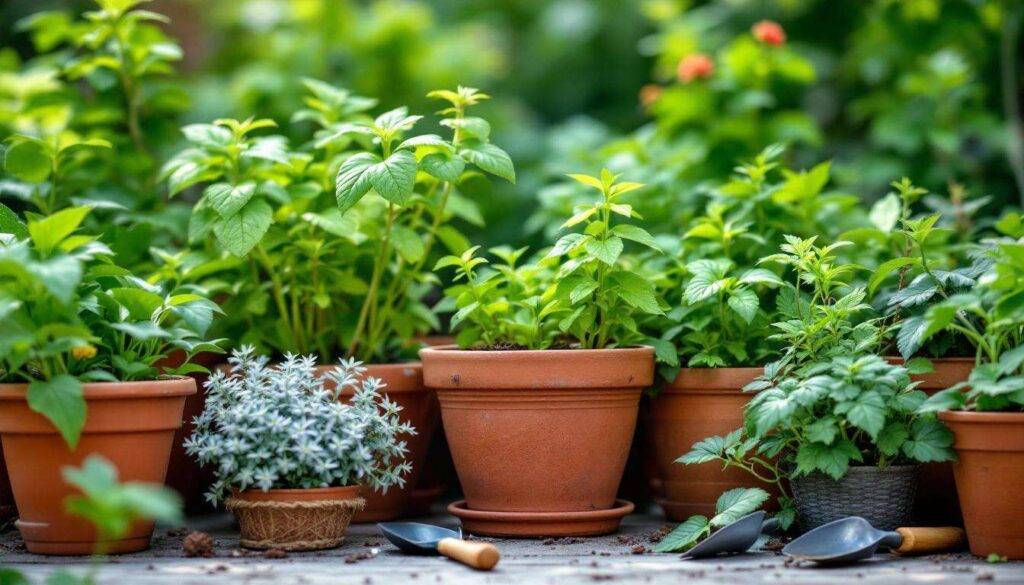
Terra-cotta pots have long been a gardening staple, prized for their rustic charm and natural aesthetic. However, not all plants thrive in these porous clay containers. Understanding which species struggle in terra-cotta can save gardeners considerable frustration and prevent unnecessary plant loss. The material’s unique properties, whilst beneficial for some varieties, can prove detrimental to others with specific moisture and environmental requirements.
The challenges of succulents in terra-cotta pots
Whilst many assume terra-cotta represents the ideal home for succulents, experienced gardeners increasingly challenge this conventional wisdom. The relationship between these drought-tolerant plants and porous clay containers proves more complex than initially apparent.
The moisture paradox
Terra-cotta’s breathable nature allows water to evaporate through the pot walls, which sounds perfect for succulents that prefer dry conditions. However, this rapid moisture loss creates an unpredictable watering schedule. In hot climates or centrally heated homes, the soil can dry out so quickly that roots struggle to absorb sufficient water during brief watering periods. This creates a feast-or-famine scenario that stresses even the hardiest succulents.
Temperature fluctuations
The clay composition of terra-cotta conducts temperature changes efficiently. During summer months, pots placed in direct sunlight can become excessively hot, causing several problems:
- Root systems overheat, damaging delicate root hairs
- Soil temperatures rise beyond optimal growing conditions
- Moisture evaporates even more rapidly than normal
- Plant stress increases, leading to discolouration and stunted growth
These environmental challenges make plastic or glazed ceramic containers more suitable alternatives for maintaining consistent growing conditions that succulents actually require.
Whilst succulents face unexpected difficulties in terra-cotta, other plant families encounter even more pronounced struggles with these traditional containers.
Why ferns struggle in terra-cotta pots
Ferns represent perhaps the most unsuitable candidates for terra-cotta cultivation. Their evolutionary history in humid forest environments conflicts fundamentally with the drying properties of unglazed clay.
Moisture requirements versus evaporation rates
Most fern species demand consistently moist soil that never completely dries out. Terra-cotta works directly against this requirement by wicking moisture away from roots through its porous walls. Gardeners often find themselves watering ferns in terra-cotta pots daily, sometimes twice daily during warm weather, which becomes both impractical and insufficient for optimal growth.
Humidity considerations
Beyond soil moisture, ferns require high ambient humidity around their fronds. Terra-cotta pots actually reduce local humidity by drawing moisture away from the root zone and dissipating it into the surrounding air too rapidly. This creates a perpetually dry microclimate that causes:
- Brown, crispy frond edges
- Premature frond death
- Reduced overall plant vigour
- Increased susceptibility to pests like spider mites
| Fern type | Ideal humidity level | Terra-cotta environment |
|---|---|---|
| Boston fern | 60-80% | 30-45% |
| Maidenhair fern | 70-90% | 30-45% |
| Bird’s nest fern | 60-80% | 30-45% |
Understanding these moisture dynamics becomes equally important when considering another notoriously finicky plant family.
The specific needs of orchids versus terra-cotta
Orchids present a unique case in container selection. Whilst some growers successfully cultivate certain orchid varieties in terra-cotta, most popular household orchids fare poorly in these traditional pots.
Root structure and air circulation
Epiphytic orchids, including the common Phalaenopsis varieties found in garden centres, evolved growing on tree branches rather than in soil. Their roots require exceptional air circulation and actually participate in photosynthesis. Terra-cotta pots, whilst porous, don’t provide the transparency or extreme drainage these roots demand. The solid walls prevent adequate air movement around the root mass, leading to:
- Root rot in poorly draining areas
- Insufficient oxygen reaching interior roots
- Reduced photosynthetic capacity
- Overall decline in plant health
Watering complications
Orchids require a precise watering approach: thorough soaking followed by complete drying of roots before the next watering. Terra-cotta’s moisture-wicking properties interfere with this cycle by creating uneven drying patterns. The outer edges of the root ball dry rapidly whilst the centre remains wet, making it impossible to determine proper watering timing. This inconsistency frequently results in simultaneous root rot and dehydration in different sections of the same plant.
Similar moisture management challenges affect another popular category of houseplants with tropical origins.
The roots of tropical plants and terra-cotta pots
Many beloved houseplants originate from tropical rainforest environments where consistent moisture and humidity define growing conditions. Terra-cotta pots fundamentally contradict these requirements.
Common tropical houseplants affected
Several popular tropical species demonstrate marked decline when potted in terra-cotta containers. These include peace lilies, which naturally grow in damp forest floors, and various philodendron species adapted to humid understory conditions. The rapid moisture loss through terra-cotta walls forces these plants into a state of perpetual stress.
Root system damage
Tropical plant roots evolved in environments with stable moisture levels. The fluctuating wet-dry cycles created by terra-cotta pots cause several physiological problems:
- Root tip damage from repeated desiccation
- Reduced nutrient uptake capacity
- Stunted root development
- Increased vulnerability to root diseases
- Leaf yellowing and dropping
Mineral accumulation concerns
Terra-cotta’s porosity allows mineral salts from water and fertiliser to accumulate on pot surfaces and within the clay structure. These salts can leach back into soil, creating toxic concentrations that damage sensitive tropical plant roots. White crusty deposits on terra-cotta surfaces indicate this problematic mineral buildup.
One particular tropical genus deserves special attention due to its widespread popularity and specific vulnerabilities in terra-cotta containers.
Preserving your begonias: avoiding terra-cotta
Begonias, with their spectacular foliage and delicate flowers, rank among the most moisture-sensitive plants commonly attempted in terra-cotta pots. Their fibrous root systems and high water requirements make them particularly unsuitable for these containers.
Water stress indicators
Begonias display water stress more dramatically than many other houseplants. In terra-cotta pots, gardeners frequently observe rapid wilting between waterings, even when attempting to maintain consistent moisture. The porous clay draws water away from roots faster than the plant can absorb it, leading to chronic dehydration despite regular watering efforts.
Disease susceptibility
The irregular moisture patterns created by terra-cotta cultivation increase begonias’ vulnerability to powdery mildew and bacterial diseases. The stress from fluctuating water availability weakens plant immunity, whilst the pot’s surface provides harbourage for fungal spores. Additionally, the tendency to overwater begonias in terra-cotta pots, compensating for rapid evaporation, creates conditions favouring root rot pathogens.
Recognising these limitations naturally leads to exploring more suitable container options for moisture-loving plants.
Alternatives to terra-cotta pots for your plants
Fortunately, numerous container options provide better growing environments for plants that struggle in terra-cotta.
Glazed ceramic containers
Glazed ceramic pots offer the aesthetic appeal of traditional pottery whilst eliminating the excessive moisture loss problem. The glazed interior prevents water from evaporating through pot walls, maintaining more consistent soil moisture. These containers work excellently for ferns, tropical plants, and begonias.
Plastic pots with drainage
Modern plastic containers provide superior moisture retention and come in attractive designs that rival traditional materials. Benefits include:
- Lightweight construction for easy repositioning
- Excellent moisture retention
- Affordable pricing
- Wide variety of sizes and colours
- Durability in various weather conditions
Specialised orchid containers
Clear plastic pots with large drainage holes and slotted sides provide ideal conditions for orchids. The transparency allows monitoring of root health and photosynthesis, whilst the enhanced ventilation prevents the stagnant conditions that lead to rot.
Self-watering systems
For plants requiring consistent moisture like ferns and tropical species, self-watering containers maintain optimal hydration without daily attention. These systems use a reservoir that gradually supplies water to roots through capillary action, eliminating the feast-or-famine cycle problematic in terra-cotta cultivation.
| Container type | Best for | Moisture retention |
|---|---|---|
| Glazed ceramic | Begonias, ferns | High |
| Plastic | Tropical plants | High |
| Clear slotted | Orchids | Low |
| Self-watering | Ferns, tropical plants | Consistent |
Selecting appropriate containers represents a fundamental aspect of successful plant cultivation. Whilst terra-cotta pots possess undeniable charm and work well for drought-tolerant species like cacti and Mediterranean herbs, they create challenging conditions for moisture-loving plants. Succulents face unexpected temperature and hydration fluctuations, ferns suffer from inadequate humidity, orchids struggle with poor air circulation, tropical plants experience root damage from inconsistent moisture, and begonias become stressed and disease-prone. By matching container materials to specific plant requirements, gardeners can create optimal growing environments that promote healthy, vigorous growth. The investment in appropriate pots pays dividends through reduced plant loss, decreased maintenance demands, and more attractive, thriving specimens.