
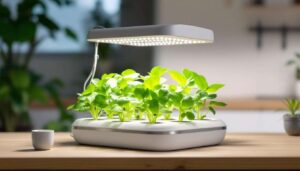


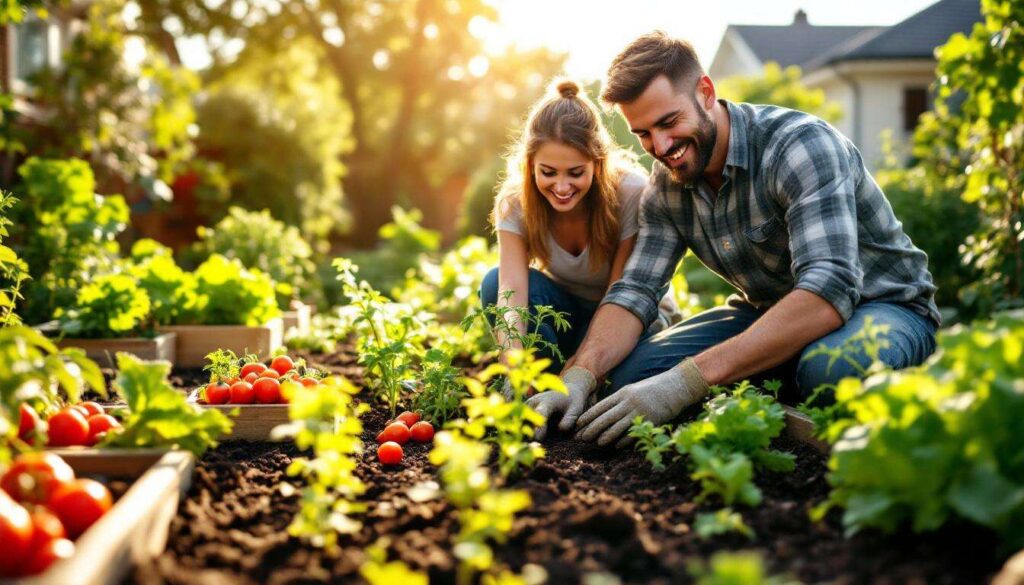
Growing your own food has never been more appealing, yet the surge in demand for allotments has left thousands of aspiring gardeners languishing on waiting lists that now stretch for years rather than months. With an 89% increase in allotment wait lists across the UK, the traditional route to cultivating vegetables has become increasingly inaccessible. However, this challenge presents an opportunity: transforming your own garden, balcony, or even windowsill into a productive vegetable patch offers immediate access to fresh produce without the wait. Whether you have sprawling outdoor space or just a few square metres, home vegetable gardening provides a practical and rewarding alternative that puts you in control of your growing schedule.
Understanding the rise in allotment wait lists
The factors driving unprecedented demand
The dramatic surge in allotment applications stems from multiple converging factors that have fundamentally shifted public attitudes towards food production. Rising grocery prices have prompted many households to seek cost-effective alternatives, whilst growing awareness of food miles and environmental sustainability has encouraged people to embrace local, self-sufficient growing practices.
The pandemic accelerated this trend significantly, as lockdowns prompted a re-evaluation of lifestyle priorities and sparked renewed interest in outdoor activities. Mental health benefits associated with gardening have also gained recognition, with horticultural therapy now widely acknowledged by health professionals. Additionally, concerns about food security and supply chain disruptions have motivated individuals to take greater control over their food sources.
The reality of current waiting times
Prospective allotment holders now face sobering statistics when joining waiting lists. Average wait times vary considerably by region, but many urban areas report delays of:
- Three to five years in major cities such as London, Bristol, and Manchester
- Two to three years in suburban areas
- One to two years even in some rural locations
- Over ten years in particularly sought-after sites with limited turnover
These extended timescales make allotments an impractical option for those wanting to start growing vegetables immediately. The shortage of available plots, combined with limited council resources to create new allotment sites, means the supply-demand imbalance shows little sign of improving in the near future.
Given these constraints, exploring home-based alternatives becomes not just sensible but essential for anyone eager to begin their vegetable-growing journey without delay.
The benefits of creating your own home vegetable patch
Immediate access and convenience
Establishing a vegetable patch at home eliminates waiting entirely, allowing you to begin planting within days rather than years. Your garden becomes accessible whenever needed, whether that’s early morning before work or late evening after dinner. This proximity means you can respond quickly to changing weather conditions, harvest produce at peak ripeness, and tend to plants during spare moments throughout the day.
Unlike allotments that may require significant travel time, home vegetable patches integrate seamlessly into daily routines. You can monitor growth progress whilst having your morning coffee, and children can participate in gardening activities as part of everyday family life rather than requiring dedicated trips elsewhere.
Financial and health advantages
Home vegetable patches offer substantial economic benefits beyond avoiding allotment rental fees. Initial investment in seeds, compost, and basic equipment typically pays for itself within a single growing season. A well-maintained patch can produce hundreds of pounds worth of fresh vegetables annually, with crops like tomatoes, courgettes, and salad leaves offering particularly impressive returns.
| Vegetable | Average supermarket cost (per kg) | Approximate home-grown yield | Potential savings |
|---|---|---|---|
| Tomatoes | £2.50 | 5-10 kg per plant | £12.50-£25.00 |
| Courgettes | £1.80 | 15-20 kg per plant | £27.00-£36.00 |
| Salad leaves | £8.00 | 3-5 kg continuous harvest | £24.00-£40.00 |
The health benefits extend beyond nutrition. Homegrown vegetables reach your plate within hours of harvesting, retaining maximum vitamins and flavour. You control exactly what goes onto your plants, avoiding pesticides and chemical treatments if you choose organic methods.
With these compelling advantages established, the practical question becomes which vegetables will thrive most reliably in a home setting.
Choosing easy-to-grow vegetables at home
Beginner-friendly options for guaranteed success
Starting with reliable, low-maintenance vegetables builds confidence and ensures rewarding results during your first growing season. Certain crops tolerate beginner mistakes, adapt to various conditions, and produce abundant harvests with minimal intervention.
Lettuce and salad leaves represent the perfect starting point, germinating quickly and providing continuous harvests when picked as cut-and-come-again crops. Radishes mature in just three to four weeks, offering almost instant gratification. Courgettes produce prolifically throughout summer from just one or two plants, whilst runner beans climb vertically, maximising limited space whilst delivering impressive yields.
- Tomatoes: choose bush varieties for containers or cordon types for maximum production
- Herbs: basil, parsley, and chives thrive in pots and provide constant culinary value
- Spring onions: sow successionally every fortnight for year-round supplies
- Beetroot: dual-purpose crop providing both roots and nutritious leaves
- Peas: fast-growing with edible shoots, pods, and sweet peas themselves
Matching vegetables to your available space
Different vegetables suit different spatial constraints, making thoughtful selection crucial for optimising your growing area. Compact spaces favour dwarf varieties and vertical growers, whilst larger gardens can accommodate sprawling plants like pumpkins and squashes.
For balconies and patios, prioritise container-suitable varieties such as cherry tomatoes, peppers, and dwarf French beans. Small raised beds accommodate root vegetables including carrots, parsnips, and potatoes. Medium-sized gardens support climbing beans on frames, whilst larger plots can dedicate areas to space-hungry crops like sweetcorn, asparagus, and globe artichokes.
Consider succession planting to maximise productivity: follow early crops like broad beans with later plantings of calabrese or autumn cabbages in the same space. Intercropping fast-maturing vegetables like radishes between slower-growing crops such as parsnips makes efficient use of every centimetre.
Once you’ve selected appropriate vegetables for your circumstances, attention turns to creating an efficient and productive growing environment.
Designing and organising your vegetable garden space
Assessing and preparing your growing area
Successful vegetable patches begin with careful site evaluation and preparation. Observe your potential growing space throughout the day to identify areas receiving at least six hours of direct sunlight, as most vegetables require substantial light for optimal growth. Note any shaded zones caused by buildings, fences, or trees, reserving these for shade-tolerant crops like lettuce and spinach.
Soil quality determines growing success more than almost any other factor. Test your soil’s texture by squeezing a handful: sandy soil feels gritty and drains quickly, clay soil forms a sticky ball and retains water, whilst loam sits between these extremes. Most vegetables prefer well-drained, slightly acidic to neutral soil enriched with organic matter.
If existing soil quality proves poor, consider alternatives such as:
- Raised beds filled with quality topsoil and compost
- Large containers and grow bags for complete control over growing medium
- No-dig methods that build soil structure through layered organic materials
- Soil improvement through additions of well-rotted manure, garden compost, or leaf mould
Creating an efficient layout
Thoughtful organisation maximises productivity whilst minimising maintenance effort. Arrange vegetables according to height, placing tall crops like runner beans and sweetcorn at the north side to prevent shading shorter plants. Group vegetables with similar watering needs together, separating thirsty crops like courgettes from drought-tolerant Mediterranean herbs.
Implement pathways between growing areas to provide access without compacting soil around plant roots. Paths need only be 30-40 centimetres wide for comfortable movement. Permanent paths benefit from bark chippings or paving slabs, whilst temporary routes can simply remain as compacted earth or grass.
Incorporate companion planting principles by positioning mutually beneficial vegetables together. Plant basil near tomatoes to improve flavour and deter pests, grow carrots alongside onions to confuse carrot fly, and establish flowers like marigolds and nasturtiums throughout the patch to attract beneficial insects.
With your growing space designed and prepared, implementing practices that encourage vigorous, healthy growth becomes the next priority.
Tips for optimising vegetable growth
Soil enrichment and feeding strategies
Vegetables are hungry plants that extract significant nutrients from soil, making regular feeding essential for sustained productivity. Before planting, incorporate generous quantities of well-rotted organic matter such as garden compost or composted manure, aiming for a 5-10 centimetre layer worked into the top 20-30 centimetres of soil.
Throughout the growing season, supplement with appropriate fertilisers based on crop requirements. Leafy vegetables like cabbages and spinach benefit from nitrogen-rich feeds that promote foliage growth. Fruiting crops including tomatoes, peppers, and courgettes require potassium-rich fertilisers once flowering begins to support fruit development. Root vegetables need balanced nutrition with moderate nitrogen to prevent excessive leaf growth at the expense of root formation.
Watering techniques for healthy plants
Proper watering proves critical yet frequently misunderstood. Rather than light, frequent watering that encourages shallow root systems, apply water deeply but less often to promote strong, drought-resistant roots. Most vegetables require approximately 2-3 centimetres of water weekly, increased during hot weather or for particularly thirsty crops.
Water early morning when possible to reduce evaporation losses and allow foliage to dry before evening, minimising fungal disease risks. Direct water at soil level rather than overhead to keep leaves dry and deliver moisture directly to root zones. Mulching around plants with organic materials conserves moisture, suppresses weeds, and gradually improves soil structure as it decomposes.
Pest and disease management
Preventing problems proves easier than treating established infestations. Maintain plant health through proper spacing for air circulation, regular weeding to reduce pest habitats, and crop rotation to prevent soil-borne disease build-up. Physical barriers including horticultural fleece, mesh netting, and cloches protect vulnerable crops from flying insects and birds.
Encourage natural predators by establishing diverse planting schemes with flowers that attract hoverflies, ladybirds, and lacewings. These beneficial insects consume aphids, caterpillars, and other pests without requiring chemical interventions. Inspect plants regularly to identify problems early when they’re easiest to address through targeted, minimal interventions.
Establishing these growth-optimising practices creates a strong foundation, but sustaining productivity requires ongoing attention throughout the seasons.
Maintaining your vegetable patch throughout the year
Seasonal tasks and planning
Successful vegetable gardening follows natural seasonal rhythms, with specific tasks appropriate to each period. Spring demands intensive activity: preparing beds, sowing seeds under cover, hardening off seedlings, and planting out once frost risk passes. Summer focuses on watering, feeding, harvesting, and successive sowings to maintain continuous supplies.
Autumn brings harvest peaks for many crops whilst also offering opportunities to plant overwintering vegetables like garlic, broad beans, and onion sets. This season suits soil improvement through manure applications that break down over winter. Winter, though quieter, remains productive with planning for the coming year, maintaining tools and structures, and harvesting hardy crops like leeks, kale, and Brussels sprouts.
Record-keeping and continuous improvement
Maintaining a simple garden journal transforms your vegetable patch from a series of isolated seasons into an evolving, improving system. Record sowing dates, varieties planted, and harvest quantities to identify your most successful crops. Note weather patterns, pest problems, and which techniques worked well or failed.
This documentation becomes invaluable for planning subsequent years, allowing you to repeat successes, avoid previous mistakes, and gradually refine your approach. Photograph your patch regularly to track progress and identify patterns not immediately obvious during day-to-day tending.
Invest time in learning through gardening books, online resources, and local gardening groups where experienced growers share knowledge. Vegetable gardening skills develop progressively, with each season building competence and confidence.
The journey from frustrated allotment wait list applicant to successful home vegetable grower requires neither extensive space nor exceptional skills. By starting with easy vegetables suited to your available area, preparing soil thoughtfully, and maintaining consistent care throughout the seasons, you can establish a productive patch that delivers fresh, flavourful produce directly to your kitchen. The 89% surge in allotment demand reflects widespread recognition of vegetable growing’s multiple benefits, but waiting years for a plot means missing countless harvests. Your home offers immediate opportunities to experience the satisfaction of eating food you’ve nurtured from seed to plate, whilst developing skills and knowledge that will serve you for decades. Whether you cultivate a single container of tomatoes or transform an entire garden into productive beds, taking control of your food production starts today, not years hence on some distant allotment waiting list.