


Gardening enthusiasts often feel the urge to start their growing season as early as possible, particularly when February arrives and the promise of spring begins to stir. However, experienced horticulturists consistently warn against premature seed sowing, emphasising that certain popular vegetables simply will not thrive if planted too soon. The temptation to get ahead can lead to disappointing results, with seedlings becoming leggy, weak, or failing altogether. Understanding the specific requirements of different plant varieties proves essential for successful cultivation, and timing remains one of the most critical factors in achieving a bountiful harvest.
Why February is not ideal for seed sowing
The fundamental challenge facing gardeners in February centres on insufficient light levels and unpredictable temperature fluctuations. Despite the gradual lengthening of days, natural daylight remains inadequate for robust seedling development during this transitional month.
Light limitations affect seedling health
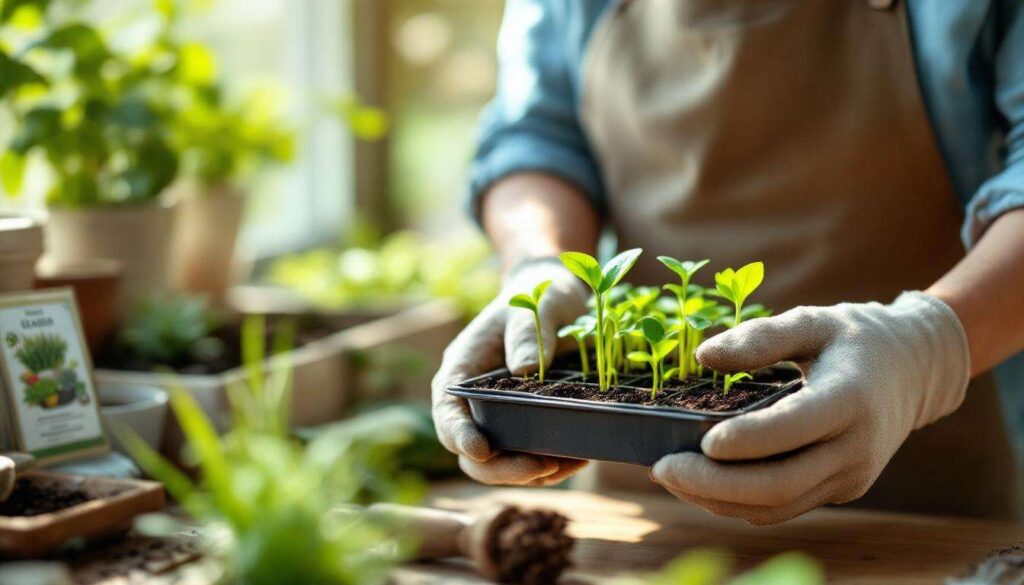
Young plants require substantial amounts of light to develop strong stems and healthy foliage. February’s weak sunlight, even on bright days, fails to provide the intensity needed for photosynthesis at optimal levels. Seedlings started during this period frequently become etiolated, stretching towards insufficient light sources and developing pale, fragile growth that struggles to support future fruit production. Professional growers typically measure light in terms of daily light integral (DLI), and February consistently falls short of the requirements for most warm-season vegetables.
Temperature inconsistency creates problems
The month presents another significant obstacle through its erratic temperature patterns. Cold snaps can strike unexpectedly, whilst occasional mild spells create false confidence. This variability affects seed germination rates and can damage tender seedlings that have already emerged. Indoor growing environments also prove challenging to regulate consistently, with heating costs rising when attempting to maintain the warmth many seeds require.
Space and timing considerations
Starting seeds too early creates practical difficulties that many gardeners overlook:
- Seedlings outgrow their containers before outdoor conditions permit transplanting
- Limited windowsill space becomes overwhelmed with plants requiring constant attention
- Extended indoor growing periods increase susceptibility to pests and diseases
- Root-bound plants develop poorly once finally moved to their permanent positions
These factors combine to make later sowing not merely acceptable but actively preferable for most popular garden vegetables. The relationship between sowing time and plant health becomes particularly evident when examining specific crops that gardeners frequently start prematurely.
Tomato seeds: wait until spring
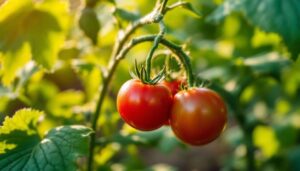
Tomatoes rank amongst the most commonly grown vegetables, yet they represent one of the worst choices for February sowing. Horticultural experts consistently recommend delaying tomato seed starting until late March or early April, depending on regional climate conditions.
Growth rate considerations
Tomato seedlings develop relatively quickly under proper conditions, requiring only six to eight weeks from sowing to transplanting size. Seeds started in February will have grown for ten to twelve weeks before outdoor temperatures become suitable, resulting in plants that have become leggy, pot-bound, and stressed. These compromised seedlings rarely outperform those started later, often producing lower yields despite their head start.
Optimal sowing windows
| Region | Recommended sowing period | Expected transplant date |
|---|---|---|
| Southern England | Late March to early April | Late May to early June |
| Northern England | Early to mid-April | Early to mid-June |
| Scotland | Mid to late April | Mid to late June |
The science behind successful tomato cultivation extends beyond simple timing to encompass other heat-loving crops that share similar requirements.
Peppers prefer to wait
Pepper plants, encompassing both sweet bell varieties and hot chillies, demand even more warmth than tomatoes. Their slower germination and growth rates often mislead gardeners into thinking February sowing makes sense, but this logic proves flawed in practice.
Extended germination requirements
Pepper seeds require consistent temperatures between 21°C and 29°C for reliable germination, conditions difficult to maintain economically in February. Even with heat mats, the surrounding air temperature affects young seedlings significantly. Germination can take two to three weeks under optimal conditions, extending to four weeks or more in suboptimal February environments.
Development timeline realities
From germination to transplant-ready size, peppers need approximately ten to twelve weeks. Starting in late March or early April provides sufficient time for proper development whilst avoiding the problems associated with over-mature seedlings. Plants started too early often experience transplant shock more severely and take longer to establish productive growth patterns outdoors.
The challenges facing pepper growers mirror those encountered with another member of the solanaceae family that demands patience from enthusiastic gardeners.
Aubergines: time before they grow
Aubergines, known as eggplants in some regions, represent perhaps the most temperature-sensitive of common garden vegetables. Their tropical origins make them particularly unsuitable for February sowing in British climates.
Heat dependency throughout growth
These plants refuse to thrive in anything less than consistently warm conditions. Seeds germinate poorly below 24°C, and young plants sulk or cease growing entirely if temperatures drop below 15°C. February’s variable conditions create an environment where aubergines either fail to germinate or produce weak seedlings that never fully recover.
Professional growing practices
Commercial growers typically start aubergines in heated glasshouses with supplementary lighting, conditions few home gardeners can replicate. For domestic cultivation, the following timeline produces superior results:
- Sow seeds in mid to late April in a heated propagator
- Maintain temperatures above 21°C throughout germination
- Provide maximum light exposure as days lengthen
- Transplant to final positions only after all frost risk passes
- Consider growing in containers that can be moved to sheltered spots
The pattern emerging across these warm-season crops continues with vegetables that many gardeners mistakenly believe tolerate cooler conditions.
The mystery of cucumbers in February
Cucumbers present a curious case, as their rapid growth often convinces gardeners that early sowing compensates for February’s limitations. This assumption proves fundamentally incorrect and leads to frequent disappointment.
Rapid growth becomes a liability
Cucumber seedlings grow remarkably quickly under good conditions, which paradoxically makes February sowing problematic. Within three to four weeks, seedlings outgrow small pots and require transplanting to larger containers or their final positions. When outdoor temperatures remain unsuitable for months, these vigorous plants become unmanageable indoors, developing tangled vines and declining health.
Transplant sensitivity issues
Cucumbers possess extremely sensitive root systems that resent disturbance. Plants that spend extended periods in containers develop root structures that struggle to establish properly when finally planted out. Starting seeds in late April or May allows for direct sowing outdoors or minimal indoor time before transplanting, producing healthier plants with better yields.
Disease prevention through timing
Extended indoor growing periods expose cucumbers to higher risks of powdery mildew and other fungal diseases that thrive in the still air of indoor environments. Later sowing reduces this exposure window significantly, contributing to overall plant health throughout the growing season.
The final group of vegetables that suffer from premature sowing shares the cucumber’s vigorous nature and sensitivity to timing errors.
Growing squashes: a matter of timing
Squash plants, including courgettes, marrows, and pumpkins, rank amongst the fastest-growing vegetables available to gardeners. This characteristic makes them particularly unsuitable for February sowing, despite their popularity and ease of cultivation.
Explosive growth patterns
Under appropriate conditions, squash seedlings can grow from seed to transplant size in just three to four weeks. Their large leaves and extensive root systems develop rapidly, quickly exhausting the resources available in seed trays or small pots. Plants started in February become pot-bound long before outdoor conditions permit planting, suffering stress that reduces their ultimate productivity.
Frost sensitivity concerns
All squash varieties exhibit extreme sensitivity to frost, requiring complete certainty that cold weather has finished before transplanting outdoors. In most British locations, this means waiting until late May or early June. Seeds sown in late April provide perfectly timed plants ready for outdoor life exactly when conditions become suitable, eliminating the complications of managing oversized seedlings indoors.
Resource efficiency advantages
Later sowing of squash plants offers multiple benefits beyond plant health:
- Reduced heating costs during germination and early growth
- Less indoor space required for shorter periods
- Decreased watering and maintenance demands
- Lower risk of pest infestations in indoor environments
- Stronger plants that establish quickly after transplanting
The evidence across all these popular vegetables points consistently towards patience as the gardener’s greatest virtue. Resisting the urge to sow too early in February ultimately produces healthier plants, better yields, and less frustration. The additional weeks of waiting prove insignificant compared to the advantages gained through proper timing, allowing natural light levels and temperatures to support robust growth. Successful gardening relies not on getting ahead of the calendar but on working harmoniously with seasonal rhythms that have governed plant growth for millennia.