
Most households discard used tea bags without a second thought, tossing them straight into the bin after brewing their daily cuppa. Yet these humble sachets harbour remarkable properties that could transform the health and vitality of your garden plants. Rich in nutrients and organic compounds, tea bags represent an overlooked resource that gardeners can harness to nurture thriving, robust flora without spending a penny on commercial fertilisers.
The untapped potential of certain waste products for your plants
Understanding the nutritional value hidden in tea bags
Used tea bags contain a wealth of beneficial substances that plants require for optimal growth. Tannins, naturally occurring compounds found in tea leaves, help to acidify soil gradually, creating ideal conditions for acid-loving plants such as roses, azaleas, and camellias. These organic acids also improve nutrient availability in the soil, making essential minerals more accessible to plant roots.
Beyond tannins, tea bags harbour nitrogen, a crucial macronutrient that promotes leafy growth and vibrant green foliage. The cellulose fibres from the tea leaves and the bag itself decompose slowly, releasing nutrients over time whilst improving soil structure. This gradual release mechanism ensures plants receive a steady supply of nourishment rather than a single concentrated dose that might cause nutrient burn.
Additional organic waste with similar benefits
Tea bags are not alone in their potential to enrich garden soil. Several other household waste products offer comparable advantages:
- Coffee grounds: rich in nitrogen and slightly acidic, perfect for roses and hydrangeas
- Eggshells: provide calcium carbonate, strengthening cell walls and preventing blossom end rot
- Banana peels: excellent source of potassium, promoting flowering and fruit development
- Vegetable peelings: contribute diverse minerals and organic matter to compost
Each of these materials would otherwise contribute to landfill waste, yet they possess remarkable properties for plant nutrition. Understanding which waste products suit specific plants enables gardeners to create targeted feeding programmes using freely available resources.
Having recognised the hidden value in these everyday discards, the next step involves learning practical methods to convert them into usable plant food.
How to transform these scraps into gold for your garden
Direct soil incorporation methods
The simplest approach involves burying used tea bags directly into the soil around plant bases. Remove any staples or synthetic labels first, then dig a shallow hole approximately five centimetres deep near the plant’s root zone. Place the tea bag inside and cover with soil. As the bag decomposes, it releases nutrients gradually whilst improving soil texture and moisture retention.
For potted plants, tear open the tea bag and sprinkle the contents onto the soil surface before watering. This method works particularly well for container gardens where soil volume is limited and nutrient depletion occurs more rapidly than in ground beds.
Creating nutrient-rich liquid fertiliser
A cold infusion technique produces an effective liquid feed. Collect several used tea bags in a bucket or watering can filled with water. Allow the bags to steep for twenty-four to forty-eight hours, creating a weak tea solution. This nutrient-enriched water can then be used to water plants, delivering a gentle boost of nitrogen and trace minerals directly to the root system.
For a more concentrated solution, use warm water and allow the bags to steep for a shorter period. Apply this mixture fortnightly during the growing season, diluting further if plants show signs of sensitivity such as leaf tip browning.
Integration into composting systems
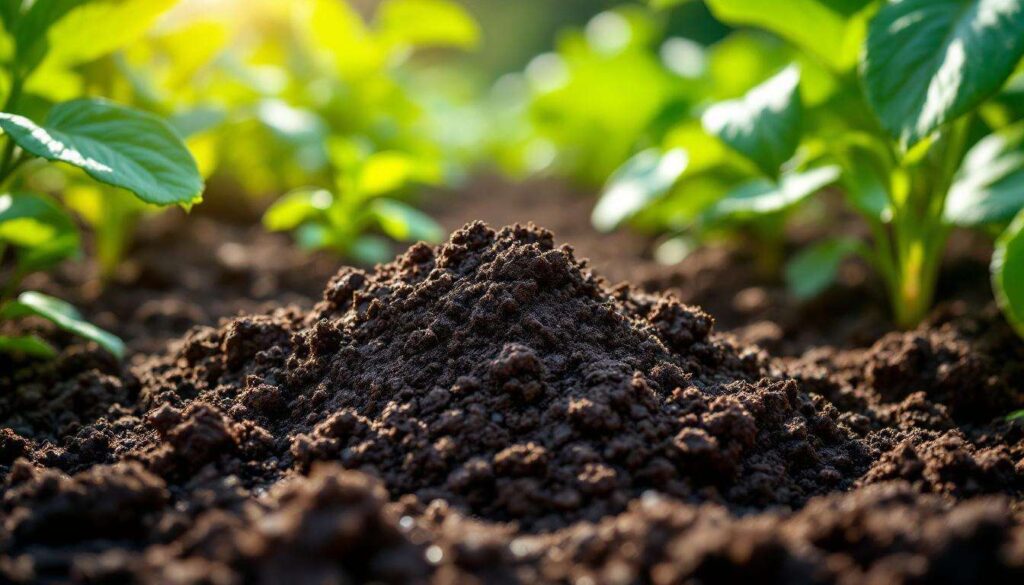
Tea bags make excellent additions to compost bins, classified as green material due to their nitrogen content. Layer them with brown materials such as dried leaves, cardboard, or shredded paper to maintain the ideal carbon-to-nitrogen ratio. The bags decompose within three to six months, contributing to rich, crumbly compost that enhances soil fertility across the entire garden.
These transformation techniques set the foundation for understanding the broader advantages of homemade composting practices.
The surprising benefits of homemade compost
Soil structure improvement and water retention
Compost created from tea bags and other organic waste dramatically improves soil structure. The decomposed organic matter acts as a soil conditioner, creating spaces between soil particles that allow air and water to penetrate more effectively. This enhanced structure benefits root development, enabling plants to establish more extensive root systems that access nutrients and moisture more efficiently.
The fibrous components of tea bags increase the soil’s water-holding capacity, particularly beneficial in sandy soils that typically drain too quickly. This improved retention reduces watering frequency whilst ensuring plants have consistent access to moisture during dry periods.
Microbial activity and disease suppression
Homemade compost introduces beneficial microorganisms into the soil ecosystem. These microscopic allies break down organic matter, making nutrients available to plants whilst competing with pathogenic organisms that cause plant diseases. Healthy soil biology creates a natural defence system, reducing reliance on chemical fungicides and pesticides.
| Benefit | Impact on Plants | Environmental Advantage |
|---|---|---|
| Nutrient release | Steady supply over months | Eliminates synthetic fertiliser need |
| Soil aeration | Stronger root development | Reduces water consumption |
| pH buffering | Stable growing conditions | Prevents soil degradation |
| Microbial diversity | Natural disease resistance | Decreases chemical usage |
Understanding these benefits provides motivation to establish regular composting habits, which requires practical integration into daily routines.
Tips for incorporating these elements into your gardening routine
Establishing a collection system
Create a designated container in your kitchen specifically for used tea bags. A small lidded pot or bowl near the kettle serves as a convenient collection point. Empty this container into your compost bin or garden beds every few days to prevent mould growth. For those without outdoor space, tea bags can be stored in the refrigerator until needed.
Seasonal application strategies
Timing applications to match plant growth cycles maximises effectiveness. Apply tea bags and compost most heavily during spring and early summer when plants actively grow and flower. Reduce applications in autumn as plants prepare for dormancy, and avoid feeding during winter months when most plants rest.
For specific plant types, adjust your approach:
- Flowering plants: apply tea bag compost monthly during budding periods
- Vegetables: incorporate into soil before planting and side-dress growing crops
- Acid-loving plants: use tea bags liberally to maintain preferred pH levels
- Houseplants: apply diluted tea infusion every three to four weeks
Monitoring plant responses
Observe how plants react to these amendments. Healthy responses include darker green foliage, increased growth rates, and more abundant flowering. If plants show signs of over-fertilisation such as excessive leafy growth at the expense of flowers, reduce application frequency. Adjust quantities based on plant size, with larger specimens requiring more material than smaller ones.
With these practical routines established, gardeners can focus on maximising plant performance through strategic resource use.
Optimise your plants’ growth with natural resources
Combining multiple organic amendments
Tea bags work synergistically with other natural amendments to create comprehensive nutrition programmes. Combine crushed eggshells for calcium, coffee grounds for additional nitrogen, and banana peels for potassium. This holistic approach mimics natural ecosystems where diverse organic materials decompose together, providing balanced nutrition that commercial fertilisers struggle to replicate.
Targeting specific plant needs
Different plants have varying nutritional requirements. Leafy vegetables benefit most from nitrogen-rich amendments like tea bags, whilst fruiting plants require additional potassium and phosphorus. Research the specific needs of your plants and tailor your organic feeding programme accordingly, using tea bags as a foundational element supplemented with targeted additions.
These optimisation strategies naturally lead to considerations about environmental responsibility and waste reduction.
Reduce your ecological footprint by valuing your waste
The environmental impact of landfill diversion
Diverting organic waste from landfills significantly reduces methane emissions, a potent greenhouse gas produced when organic matter decomposes anaerobically in landfill conditions. By composting tea bags and similar materials, households contribute to climate change mitigation whilst creating valuable resources for their gardens.
Breaking the cycle of chemical dependency
Commercial fertilisers require energy-intensive manufacturing processes and contribute to water pollution through nutrient runoff. Replacing synthetic products with organic alternatives reduces demand for these environmentally damaging products. Home composting creates a closed-loop system where waste becomes resource, eliminating the need for external inputs and their associated environmental costs.
The cumulative effect of individual households adopting these practices creates meaningful environmental benefits whilst simultaneously improving garden health and reducing household expenses. Every tea bag diverted from waste collection represents a small but significant contribution to sustainable living.
Used tea bags exemplify how everyday items dismissed as rubbish harbour genuine value for gardeners seeking natural, cost-effective plant nutrition. Their nutrient content, soil-improving properties, and environmental benefits make them invaluable resources that deserve recognition rather than disposal. By incorporating tea bags and similar organic waste into composting and direct application practices, gardeners enhance plant health whilst reducing ecological impact. These simple adjustments to daily routines transform waste into wealth, proving that sustainable gardening requires neither expensive products nor complicated techniques, merely awareness of the hidden potential within household discards.