


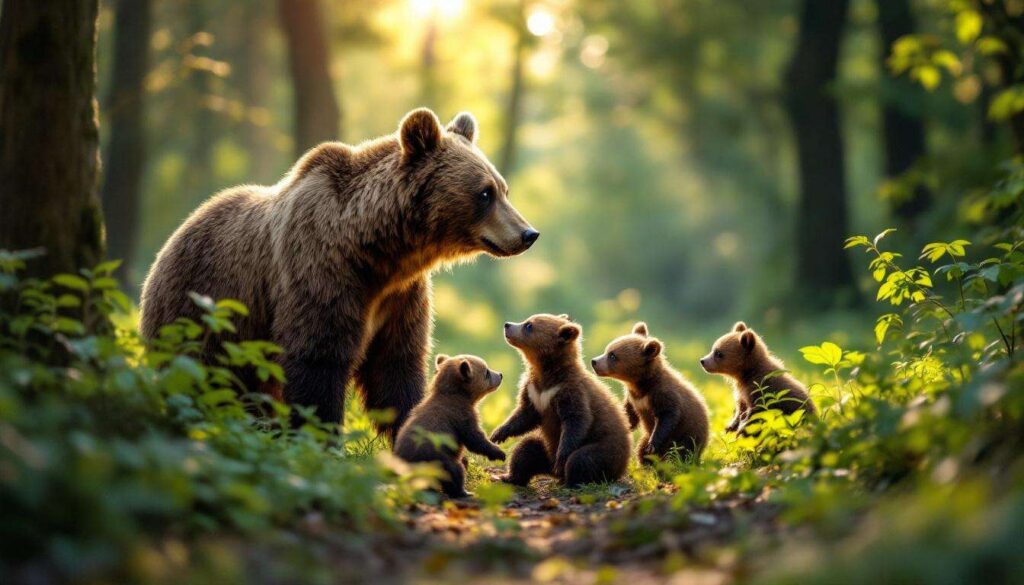
A family of bears has captured hearts worldwide after spending more than ten years trapped in appalling conditions. Their journey from darkness to daylight represents a powerful testament to the dedication of animal welfare organisations and the generosity of supporters who made their rescue possible. The images of these magnificent creatures experiencing grass beneath their paws for the first time have resonated deeply with audiences, reminding us of the urgent need to address wildlife captivity and the transformative power of compassionate intervention.
A daily hell: the family of bears’ captivity
The grim reality of confinement
For over a decade, this bear family endured conditions that can only be described as utterly inhumane. Confined to a cramped, squalid cage with no access to natural light, fresh air, or adequate space, the bears lived in perpetual suffering. The environment they inhabited bore no resemblance to their natural habitat, depriving them of the most basic necessities that wild animals require for physical and psychological well-being.
Physical and psychological consequences
The prolonged captivity inflicted severe damage on the bears, manifesting in both visible and hidden ways. The impact of their confinement included:
- Muscle atrophy from lack of movement and exercise
- Malnutrition due to inadequate diet
- Behavioural abnormalities resulting from stress and isolation
- Compromised immune systems from unsanitary conditions
- Psychological trauma from years without stimulation
These bears had never experienced the sensation of soil beneath their feet, the warmth of sunlight on their fur, or the freedom to explore their surroundings. Their entire existence had been reduced to the confines of metal bars and concrete floors, a stark contrast to the expansive territories bears naturally roam in the wild.
Understanding the depth of their suffering makes their eventual rescue all the more significant, setting the stage for the remarkable intervention that would change their lives forever.
The heroic rescue by International Animal Rescue
The rescue operation
International Animal Rescue undertook a complex and carefully coordinated operation to liberate the bear family from their dire circumstances. The organisation’s team of experienced wildlife experts assessed the situation, developed a comprehensive rescue plan, and executed the extraction with precision and care. The operation required significant resources, specialised equipment, and the expertise of veterinarians trained in handling traumatised wild animals.
Challenges faced during extraction
Rescuing bears that have spent years in captivity presents unique difficulties. The team encountered several obstacles:
- Safely sedating animals in poor health without causing additional stress
- Transporting large mammals over considerable distances
- Managing the bears’ fear and aggression born from years of mistreatment
- Ensuring the safety of both the animals and rescue personnel
- Coordinating with local authorities and navigating legal requirements
The dedication and professionalism demonstrated by International Animal Rescue throughout this process exemplifies the organisation’s commitment to wildlife welfare. Their intervention not only saved these particular bears but also drew attention to countless other animals suffering in similar conditions worldwide.
Once safely extracted, the bears faced another crucial phase before they could truly embrace freedom.
Quarantine: a crucial step for rehabilitation
Medical assessment and treatment
Upon arrival at the rescue facility, the bear family entered a mandatory quarantine period designed to address their immediate health needs and prepare them for eventual release into a more natural environment. Veterinary teams conducted thorough examinations to identify and treat the numerous ailments resulting from their prolonged captivity. This phase proved essential for their physical recovery and survival.
| Health aspect | Initial condition | Treatment approach |
|---|---|---|
| Nutrition | Severely malnourished | Gradual dietary improvement with species-appropriate food |
| Physical condition | Weak muscles, poor mobility | Controlled exercise and physiotherapy |
| Psychological state | Traumatised, fearful | Minimal human contact, enrichment activities |
| Disease screening | Multiple infections | Antibiotics and ongoing monitoring |
Behavioural rehabilitation
Beyond physical health, the quarantine period allowed specialists to observe and address the bears’ psychological trauma. Years of confinement had stripped them of natural behaviours, requiring careful reintroduction to activities such as foraging, climbing, and social interaction. The team provided enrichment tools and gradually expanded their living space, helping the bears rediscover instincts that had been suppressed.
This careful preparation ensured that when the moment finally arrived, the bears would be ready to take their first tentative steps into a world they had never known.
First steps to freedom: an emotional moment
The historic day arrives
The moment the bear family emerged into the outdoor enclosure marked a profound milestone in their rehabilitation journey. Cameras captured every second as the bears cautiously approached the entrance to their new environment, hesitating at the threshold between their familiar indoor space and the unknown world beyond. Their initial uncertainty quickly gave way to curiosity as they ventured forward, experiencing grass, earth, and open sky for the first time.
Reactions that moved the world
The video documenting this transformative moment resonated powerfully with audiences globally. Social media platforms, particularly Facebook, became flooded with responses from viewers who found themselves deeply moved by the bears’ tentative exploration. Comments reflected a range of emotions:
- Overwhelming joy at witnessing the bears’ first taste of freedom
- Relief that they had finally escaped their terrible conditions
- Gratitude towards the rescue organisation and its supporters
- Renewed awareness of wildlife suffering in captivity
- Inspiration to support animal welfare causes
The bears’ behaviour during those first moments outdoors revealed both the extent of their previous deprivation and the resilience of their spirit. They sniffed the air, touched the grass with tentative paws, and gradually began to explore with increasing confidence, demonstrating that despite years of suffering, their natural instincts remained intact.
This powerful scene would not have been possible without the financial support that made the rescue feasible.
The role of donors in this rebirth
Funding the rescue mission
The successful rescue and rehabilitation of this bear family depended entirely on the generous contributions of supporters worldwide. Animal rescue operations require substantial financial resources, and International Animal Rescue relies on donations to fund every aspect of their work. The costs associated with this particular rescue were considerable:
| Expense category | Purpose |
|---|---|
| Rescue operation | Transport, equipment, personnel, legal fees |
| Veterinary care | Medical examinations, treatments, medications |
| Quarantine facilities | Secure housing, climate control, sanitation |
| Nutrition | Species-appropriate diet during recovery |
| Long-term care | Ongoing maintenance of outdoor enclosures |
The power of collective compassion
Every donation, regardless of size, contributed to transforming the bears’ lives. Supporters from diverse backgrounds united behind a common cause, demonstrating that collective action can achieve remarkable outcomes. The organisation’s transparency in showing how funds are utilised has built trust and encouraged continued support for future rescue missions.
This financial backing ensures not only the rescue of animals in immediate danger but also the creation of sustainable environments where they can thrive.
A new life for Aram, Nairi and Lola
Adapting to their sanctuary
The three bears now enjoy a dramatically different existence in their specially designed outdoor enclosure. The facility provides an environment that, whilst not wild, offers substantial improvements over their previous captivity. The space includes natural features such as:
- Varied terrain with hills and flat areas for exploration
- Water features for bathing and drinking
- Vegetation providing shade and foraging opportunities
- Climbing structures to encourage natural behaviours
- Dens for privacy and rest
Ongoing care and monitoring
The bears receive continuous supervision from dedicated caregivers who ensure their physical and psychological needs are met. Regular health assessments track their progress, whilst behavioural observations help staff refine enrichment strategies. The transformation in their demeanour has been remarkable, with increasing signs of contentment and natural bear behaviour emerging as they settle into their new home.
Looking towards the future
Whilst these bears cannot be returned to the wild due to their prolonged captivity and lack of survival skills, their current situation represents the best possible outcome given their circumstances. They serve as ambassadors for wildlife welfare, their story educating the public about the consequences of keeping wild animals in inappropriate conditions and the importance of supporting rescue efforts.
The bear family’s journey from darkness to light encapsulates both the cruelty that wild animals can endure and the hope that compassionate intervention provides. Their rescue highlights the critical work performed by organisations dedicated to animal welfare and the difference that public support can make. These three bears now live with dignity, comfort, and the freedom to express natural behaviours, a stark contrast to the decade they spent in squalid confinement. Their story continues to inspire action, encouraging others to support wildlife protection and to challenge the systems that allow such suffering to occur. The images of their first steps outdoors will long remain a powerful reminder of what can be achieved when humanity chooses compassion over indifference.