
Snake plants have earned their reputation as one of the most forgiving houseplants available, yet even these hardy specimens can suffer from improper watering. Understanding the delicate balance between providing adequate moisture and avoiding waterlogged soil remains essential for keeping these architectural beauties thriving in your home. The key lies not in following a rigid schedule but in recognising the plant’s individual requirements based on environmental conditions and seasonal changes.
Introduction to the snake plant: characteristics and needs
Botanical background and natural habitat
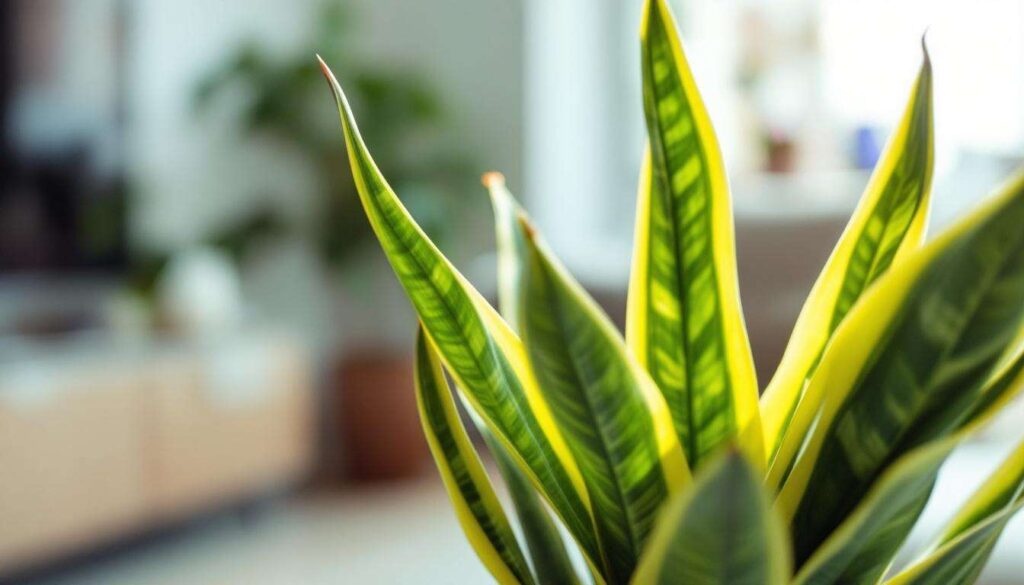
The snake plant, scientifically known as Sansevieria trifasciata or more recently reclassified as Dracaena trifasciata, originates from the arid regions of West Africa. This succulent species has evolved to survive prolonged drought periods by storing water in its thick, upright leaves. The plant’s natural environment experiences irregular rainfall followed by extended dry spells, which explains its remarkable tolerance for neglect and its susceptibility to overwatering in domestic settings.
Water storage capabilities
Snake plants possess specialised leaf structures that function as water reservoirs. The fleshy, sword-shaped foliage contains parenchyma cells capable of retaining substantial moisture for weeks or even months. This adaptation allows the plant to photosynthesize and maintain metabolic functions during drought conditions. Understanding this biological feature proves crucial when determining watering frequency, as it means the plant requires far less water than most conventional houseplants.
Root system characteristics
The rhizomatous root system of snake plants spreads horizontally beneath the soil surface, producing underground stems that generate new shoots. These roots are particularly vulnerable to rot when exposed to excessive moisture. The relatively shallow root structure means water should penetrate the soil adequately but drain quickly to prevent fungal infections and decay. This botanical understanding forms the foundation for proper watering practices.
With these fundamental characteristics established, examining the various factors that influence how frequently your specific snake plant requires watering becomes the logical next step.
Factors influencing watering frequency
Seasonal variations and temperature
Snake plants exhibit significantly different water requirements throughout the year. During spring and summer, when temperatures rise and daylight hours increase, the plant enters its active growing phase and requires more frequent watering. Conversely, autumn and winter bring dormancy, during which metabolic processes slow considerably and water needs diminish dramatically. A plant that requires watering every two weeks in July might need water only once every six to eight weeks in January.
Environmental conditions
The surrounding atmosphere plays a pivotal role in determining watering schedules:
- Humidity levels: low humidity accelerates moisture evaporation from soil and leaves, increasing water requirements
- Air circulation: rooms with fans or drafts dry soil more rapidly than still environments
- Heating systems: central heating during winter months creates artificial dryness despite cooler outdoor temperatures
- Light exposure: plants in bright, indirect light photosynthesize more actively and consume water faster than those in low-light conditions
Pot size and soil composition
Container dimensions directly affect moisture retention. Smaller pots dry out considerably faster than large vessels, whilst terracotta pots wick moisture away from soil more rapidly than plastic or glazed ceramic containers. The soil mixture itself determines drainage efficiency; a well-draining blend containing perlite, coarse sand, or pumice allows excess water to escape, whereas dense, peat-heavy mixes retain moisture for extended periods and increase the risk of overwatering.
| Pot Type | Drying Speed | Watering Frequency |
|---|---|---|
| Terracotta (small) | Fast | Every 2-3 weeks (summer) |
| Plastic (medium) | Moderate | Every 3-4 weeks (summer) |
| Ceramic glazed (large) | Slow | Every 4-6 weeks (summer) |
Recognising how these variables interact provides a framework for customising care, but learning to identify the plant’s own signals remains equally important.
Signs of overwatering or underwatering
Symptoms of excessive moisture
Overwatering represents the primary cause of snake plant decline. The symptoms manifest progressively and require immediate attention:
- Yellowing leaves: particularly at the base, indicating root suffocation
- Mushy, soft foliage: leaves lose their characteristic firmness and may develop brown, waterlogged patches
- Foul odour: rotting roots emit a distinctive unpleasant smell from the soil
- Leaf collapse: structural integrity fails, causing leaves to fold or fall over
- Black or brown stem bases: indicating advanced rot spreading upward from compromised roots
Indicators of insufficient watering
Whilst snake plants tolerate drought remarkably well, prolonged water deprivation eventually produces visible stress signals. Wrinkled or curled leaves suggest the plant has depleted its internal water reserves. The foliage may appear duller than usual, losing its characteristic glossy sheen. In severe cases, leaf tips turn brown and crispy, and the entire plant may lean or tip over as cellular turgor pressure diminishes.
Distinguishing between the two conditions
The crucial difference lies in leaf texture. Overwatered plants develop soft, mushy foliage that feels waterlogged when touched, whilst underwatered specimens produce firm but wrinkled leaves that retain structural integrity despite dehydration. Root inspection provides definitive confirmation: healthy roots appear white or cream-coloured and firm, overwatered roots turn brown or black and feel slimy, and severely underwatered plants may have dried, brittle roots.
Armed with the ability to interpret these warning signs, implementing effective watering techniques becomes the practical application of this knowledge.
Advice on watering techniques
The soil moisture test
Rather than adhering to a fixed schedule, checking soil moisture before each watering ensures the plant receives water only when needed. Insert your finger approximately five centimetres into the soil; if it feels completely dry at this depth, watering is appropriate. Alternatively, a wooden skewer or moisture metre provides more precise readings. The entire root zone should dry out between waterings, a process that might take anywhere from two to eight weeks depending on the factors previously discussed.
Proper watering method
When the soil has dried sufficiently, water thoroughly until liquid drains from the pot’s bottom holes. This approach ensures complete root zone saturation and encourages healthy root development throughout the container. Allow excess water to drain completely and never permit the pot to sit in standing water. Bottom watering, where the pot sits in a water-filled tray for thirty minutes, offers an alternative method that allows roots to absorb moisture gradually whilst minimising the risk of crown rot.
Water quality considerations
Snake plants tolerate various water types, but certain precautions enhance their health:
- Allow tap water to stand overnight to dissipate chlorine
- Use room-temperature water to avoid shocking the roots
- Rainwater provides ideal mineral composition when available
- Avoid softened water containing high sodium levels
Seasonal adjustments
Modify your approach as conditions change throughout the year. During the active growing season (spring and summer), monitor soil moisture more frequently and expect to water every two to four weeks. In autumn and winter, extend intervals significantly, potentially watering only once every six to eight weeks. Plants in heated homes during winter may require slightly more frequent watering than those in naturally cooler environments.
Even with proper technique, certain habitual errors continue to plague snake plant owners and warrant specific attention.
Common mistakes to avoid
Rigid watering schedules
Perhaps the most prevalent error involves watering according to a predetermined calendar rather than responding to actual plant needs. Environmental conditions fluctuate constantly, meaning a schedule that works in July proves disastrous in December. Each watering decision should follow soil moisture assessment, not arbitrary dates. This flexible approach prevents both overwatering during dormancy and underwatering during growth spurts.
Inadequate drainage provisions
Growing snake plants in containers without drainage holes creates an inevitable path to root rot. Whilst decorative cache pots enhance aesthetics, the growing pot itself must allow excess water to escape. Similarly, using heavy, water-retentive soil mixes designed for moisture-loving plants contradicts the snake plant’s preference for quick-draining media. A proper mixture should contain at least thirty percent inorganic material such as perlite, pumice, or coarse sand.
Misting and leaf watering
Unlike tropical plants that benefit from foliar moisture, snake plants gain nothing from misting. This practice actually increases the risk of fungal diseases and leaf spot without providing meaningful hydration, as the plant absorbs water exclusively through its roots. Water should always be directed at the soil, avoiding the leaf rosette and crown where moisture accumulation promotes rot.
Ignoring pot-bound conditions
When roots completely fill the container, water absorption becomes problematic as insufficient soil remains to hold moisture. A severely pot-bound snake plant may require watering more frequently than expected, yet the compacted root mass prevents proper hydration. Repotting into a slightly larger container with fresh, well-draining soil restores normal water uptake and extends the interval between waterings.
Beyond watering considerations, several complementary practices contribute to overall snake plant vitality.
Additional care tips for a healthy snake plant
Light requirements
Snake plants demonstrate remarkable adaptability to various light conditions, thriving in bright, indirect light whilst tolerating low-light environments. However, insufficient light slows growth and reduces water consumption, necessitating less frequent watering. Plants receiving adequate light maintain more vibrant colouration and grow more actively, requiring correspondingly more moisture during the growing season.
Temperature and humidity preferences
These plants prefer temperatures between 15°C and 29°C and tolerate average household humidity levels without complaint. Avoid placing them near cold drafts, air conditioning vents, or heating radiators, as temperature extremes stress the plant and disrupt normal water uptake patterns. Consistent conditions produce more predictable watering needs.
Fertilisation practices
Snake plants require minimal feeding, typically benefiting from diluted liquid fertiliser once during spring and once in early summer. Overfertilisation causes more problems than underfeeding, potentially leading to salt accumulation in the soil that interferes with water absorption. If the plant shows vigorous growth with proper watering alone, additional nutrients may prove unnecessary.
Pest monitoring
Whilst generally pest-resistant, snake plants occasionally attract spider mites or mealybugs, particularly when stressed by improper watering. Regular inspection of leaf undersides and crevices allows early detection. Maintaining appropriate watering practices keeps plants healthy and naturally resistant to infestations.
Mastering snake plant hydration requires understanding the species’ drought-adapted biology, recognising environmental variables that influence water needs, and developing observational skills to identify signs of moisture stress. The plant’s remarkable tolerance for neglect should not invite complacency but rather inform a measured approach that prioritises soil dryness between waterings. By abandoning rigid schedules in favour of responsive care based on actual conditions, allowing complete soil drying between thorough waterings, and avoiding the temptation to overwater during dormancy, you create conditions that mirror the plant’s natural habitat. These resilient specimens reward such attentive yet restrained care with years of architectural beauty and air-purifying benefits.