
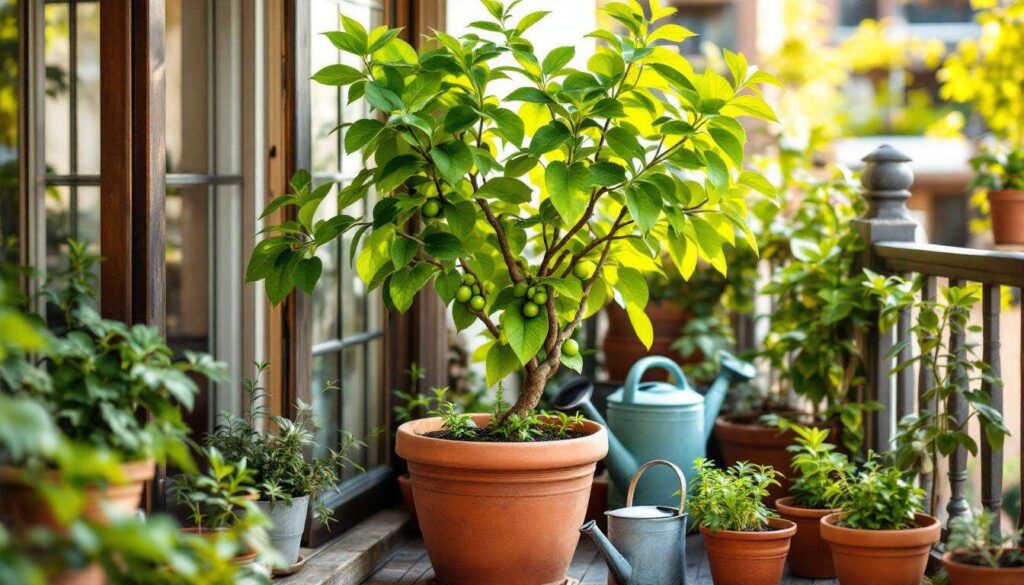
Growing a guava tree in a container presents an excellent opportunity for home gardeners seeking to cultivate tropical fruit in limited spaces. This versatile plant adapts remarkably well to pot cultivation, offering the prospect of fresh, vitamin-rich harvests within a few years. Success hinges on understanding the specific requirements of container-grown guava trees, from selecting appropriate vessels to implementing targeted care strategies. With proper attention to potting, substrate composition, light exposure, watering regimes, fertilisation schedules, and pruning techniques, gardeners can accelerate growth rates and achieve productive specimens even on balconies or patios.
Choosing the ideal pot for the guava tree
Container size and material considerations
The foundation of successful guava cultivation begins with selecting the appropriate container. A pot measuring at least 30 centimetres in diameter provides adequate space for initial establishment, though mature specimens benefit from containers reaching 45 to 60 centimetres. Depth proves equally critical, as guava trees develop extensive root systems requiring vertical space of 40 centimetres minimum.
Material selection influences both plant health and maintenance requirements:
- Terracotta pots offer excellent breathability, preventing waterlogged conditions whilst providing stability
- Plastic containers retain moisture longer, reducing watering frequency but requiring vigilant drainage monitoring
- Fabric grow bags promote air pruning of roots, encouraging fibrous root development
- Wooden planters provide insulation against temperature fluctuations whilst offering aesthetic appeal
Drainage requirements
Adequate drainage holes constitute an absolute necessity for guava cultivation. Each container should feature multiple drainage openings measuring at least 1.5 centimetres in diameter, positioned across the base rather than concentrated centrally. Elevating pots on feet or bricks ensures water flows freely, preventing root rot that stunts growth and compromises plant vigour.
Understanding container specifications naturally leads to considerations about what fills these vessels, as substrate quality directly impacts growth velocity.
Soil preparation: choosing the right substrate
Optimal soil composition
Guava trees thrive in well-draining, nutrient-rich substrates with slightly acidic to neutral pH levels between 5.0 and 7.0. A balanced mixture ensures both moisture retention and aeration, preventing the compaction that restricts root development.
The recommended substrate formula combines:
| Component | Proportion | Purpose |
|---|---|---|
| Quality potting compost | 40% | Nutrient base and structure |
| Garden loam | 30% | Mineral content and stability |
| Perlite or coarse sand | 20% | Drainage enhancement |
| Well-rotted compost | 10% | Organic matter and microorganisms |
Substrate amendments for accelerated growth
Incorporating mycorrhizal fungi during potting establishes beneficial root associations that enhance nutrient uptake, particularly phosphorus absorption critical for flowering and fruiting. Adding bone meal provides slow-release phosphorus whilst worm castings introduce beneficial microorganisms that improve soil structure over time.
Testing pH levels before planting allows for targeted amendments, with sulphur lowering alkaline soils and lime raising acidity when necessary.
Once the growing medium is established, attention must shift to environmental factors, particularly the light requirements that fuel photosynthesis and growth.
Sun exposure: optimising the light
Sunlight requirements for vigorous growth
Guava trees demand full sun exposure to achieve maximum growth rates and fruit production. Positioning containers where plants receive six to eight hours of direct sunlight daily proves essential, with morning sun particularly beneficial as it dries foliage, reducing fungal disease risks.
South-facing locations in the Northern Hemisphere provide optimal light throughout growing seasons, though afternoon shade during peak summer months prevents leaf scorch in regions experiencing temperatures exceeding 35°C.
Adjusting placement seasonally
The mobility advantage of container cultivation enables strategic repositioning throughout the year:
- Spring positioning maximises emerging growth with increasing daylight hours
- Summer placement balances intense light with protection during extreme heat
- Autumn locations capture diminishing sun angles as growth slows
- Winter shelter protects against frost in temperate climates, moving containers to protected areas or indoors
Rotating containers weekly ensures even light distribution, preventing lopsided growth and encouraging balanced canopy development.
Adequate illumination drives photosynthetic processes, yet these metabolic activities require careful water management to sustain cellular functions without inducing stress.
Watering: techniques to prevent rot
Establishing proper watering frequency
Container-grown guava trees require consistent moisture without waterlogging, a balance achieved through observation rather than rigid schedules. During active growth periods, typically spring through summer, soil should remain evenly moist but never saturated.
The finger test provides reliable guidance: inserting a finger 5 centimetres into the substrate indicates watering needs when soil feels dry at this depth. Frequency varies with temperature, humidity, and container size, ranging from daily watering during hot periods to twice weekly in cooler conditions.
Watering methods that promote healthy roots
Deep, thorough watering encourages downward root growth rather than shallow surface roots. Applying water slowly until it emerges from drainage holes ensures complete substrate saturation, followed by allowing excess to drain completely.
| Season | Watering frequency | Volume per session |
|---|---|---|
| Spring | Every 2-3 days | Until drainage occurs |
| Summer | Daily to alternate days | Until drainage occurs |
| Autumn | Every 3-4 days | Moderate amounts |
| Winter | Weekly or less | Minimal, preventing desiccation |
Morning watering allows foliage to dry during daylight hours, whilst avoiding evening sessions that leave plants damp overnight, inviting fungal pathogens.
Proper hydration supports nutrient transport throughout the plant, creating the foundation for effective fertilisation strategies that accelerate development.
Fertilisation: encouraging rapid growth
Nutrient requirements for accelerated development
Container cultivation limits nutrient availability compared to ground planting, necessitating regular fertilisation programmes. Guava trees benefit from balanced nutrition with emphasis on potassium and phosphorus during reproductive phases.
A fertilisation schedule incorporating both slow-release and liquid feeds optimises growth:
- Apply slow-release granular fertiliser with NPK ratio 10-10-10 every three months during growing season
- Supplement with liquid seaweed or fish emulsion fortnightly during active growth
- Increase potassium levels using potash-rich formulations as flowering commences
- Reduce feeding frequency during dormancy, ceasing applications in winter months
Organic versus synthetic options
Organic amendments such as well-rotted manure, compost tea, and bone meal provide gradual nutrient release whilst improving soil structure. Synthetic fertilisers deliver immediate availability but require careful application to avoid salt accumulation that damages roots.
Foliar feeding with diluted liquid fertiliser provides rapid nutrient absorption through leaves, particularly beneficial when addressing deficiency symptoms like yellowing foliage indicating nitrogen shortage or purple-tinged leaves suggesting phosphorus limitation.
Nutritional support fuels vegetative growth, yet structural management through pruning directs energy towards productive frameworks and maintains manageable plant dimensions.
Pruning and maintenance of the potted guava tree
Formative pruning techniques
Establishing strong framework branches during early years determines long-term productivity and container compatibility. Formative pruning creates an open-centred structure allowing light penetration and air circulation throughout the canopy.
Key pruning principles include:
- Removing crossing branches that create wounds through rubbing
- Eliminating water sprouts growing vertically from main branches
- Cutting back leggy growth to encourage bushier habits
- Maintaining height below 2 metres for container specimens
- Thinning dense growth to improve light distribution
Timing and frequency of maintenance pruning
Conducting major pruning during late winter or early spring before new growth emerges minimises stress whilst capitalising on vigorous spring regrowth. Light maintenance pruning throughout the growing season removes damaged or diseased material promptly.
Sterilising cutting tools between cuts with diluted bleach solution or alcohol prevents disease transmission, whilst making clean cuts just above outward-facing buds promotes desirable growth directions.
Additional maintenance considerations
Regular inspection identifies pest infestations early, with aphids, scale insects, and fruit flies representing common challenges. Organic pest management using neem oil or insecticidal soap provides effective control without chemical residues on edible fruits.
Repotting every two to three years refreshes substrate and accommodates expanding root systems, ideally performed during dormancy to minimise transplant shock.
Implementing comprehensive care strategies transforms container-grown guava trees from modest specimens into productive plants capable of yielding abundant harvests. Attention to container selection establishes proper growing conditions, whilst quality substrate provides the nutritional foundation for vigorous development. Optimising light exposure fuels photosynthetic processes, complemented by careful watering that prevents both drought stress and root rot. Strategic fertilisation accelerates growth rates, and thoughtful pruning maintains manageable dimensions whilst maximising productivity. Home gardeners embracing these practices discover that limited space need not constrain tropical fruit cultivation, as potted guava trees deliver fresh, vitamin-rich harvests with remarkable reliability when provided appropriate care and attention to their specific requirements.