

Fresh basil from the supermarket need not be a single-use purchase. With a few simple techniques, those bunches of aromatic leaves can become the foundation for an endless supply of home-grown herbs. Propagating basil from cuttings offers a cost-effective and sustainable approach to maintaining a steady harvest, transforming shop-bought plants into thriving specimens that continue producing for months. This method bypasses the unpredictability of seed germination whilst delivering faster results, making it an ideal solution for both novice gardeners and experienced growers seeking to expand their herb collection without additional expense.
Planting basil from cuttings: why and how
The advantages of propagation over seeds
Growing basil from cuttings presents several compelling benefits compared to traditional seed-starting methods. Speed stands as the primary advantage, with cuttings developing roots and reaching harvestable size in approximately three to four weeks, whilst seeds require six to eight weeks before transplanting becomes possible. This accelerated timeline means fresh leaves arrive on your plate significantly sooner.
The technique also ensures genetic consistency. When propagating from a plant with desirable characteristics such as robust flavour, vigorous growth, or disease resistance, cuttings produce identical offspring. Seeds, conversely, may introduce variability that results in unpredictable traits.
- Reduced waste by extending the lifespan of purchased herbs
- Lower costs as one supermarket bunch can generate multiple plants
- Greater success rates for beginners compared to germination
- Year-round propagation possibilities with indoor conditions
Understanding the basic methodology
The cutting process relies on basil’s natural ability to generate adventitious roots from stem nodes when placed in favourable conditions. These nodes, visible as slight bumps where leaves emerge from the stem, contain dormant cells capable of differentiating into root tissue when stimulated by moisture and the removal of the original root system.
Two primary methods exist for rooting basil cuttings: water propagation and direct soil insertion. Water propagation allows visual monitoring of root development and suits beginners particularly well, whilst soil propagation eliminates the transplant shock that occasionally occurs when moving water-rooted cuttings into compost. Both approaches yield excellent results when executed properly, with water propagation generally proving more forgiving for those new to the technique.
Understanding these fundamentals prepares you to select the most appropriate basil varieties for successful propagation.
Choosing basil: suitable varieties
Common supermarket varieties that propagate well
Not all basil varieties respond equally to cutting propagation, though most common types found in shops prove highly suitable. Sweet basil (Ocimum basilicum), the standard variety sold in supermarkets, roots reliably and produces abundant foliage. Its widespread availability makes it the logical starting point for beginners experimenting with this technique.
| Variety | Rooting Speed | Growth Habit | Flavour Profile |
|---|---|---|---|
| Sweet basil | 7-14 days | Upright, bushy | Classic, slightly peppery |
| Thai basil | 10-16 days | Compact, sturdy | Anise-like, spicy |
| Lemon basil | 7-12 days | Medium height | Citrus notes |
| Purple basil | 10-14 days | Decorative, medium | Mild, slightly spicy |
Thai basil, increasingly available in larger supermarkets and Asian grocers, propagates exceptionally well and offers superior tolerance to heat and disease. Its sturdier stems and more compact growth habit make it particularly suitable for indoor cultivation following propagation.
Identifying healthy specimens for cutting material
The quality of your source plant directly influences propagation success. When selecting basil at the shop, examine plants carefully for signs of vitality and health. Avoid bunches with yellowing leaves, brown spots, or wilted stems, as these indicators suggest stress or disease that will compromise cutting performance.
- Look for vibrant green colouration without discolouration
- Select plants with firm, non-woody stems of pencil thickness or less
- Choose specimens with multiple branching points for more cutting opportunities
- Avoid plants showing signs of flowering, as reproductive energy reduces rooting success
- Prefer organic options when possible to avoid pesticide residues that may inhibit root development
Once you’ve identified suitable basil varieties, proper preparation of the cuttings becomes essential for optimal results.
Preparing basil cuttings efficiently
Selecting and making clean cuts
Precision during the cutting process significantly impacts subsequent root development. Use sharp, clean scissors or secateurs to prevent crushing the delicate vascular tissue within basil stems. Blunt implements damage cells and create entry points for pathogens, whilst sterile tools minimise infection risk.
Identify stems measuring 10-15 centimetres in length with at least three to four sets of leaves. Make your cut just below a leaf node at a 45-degree angle, which increases the surface area available for root emergence whilst preventing water from pooling on the cut surface. The angled cut also helps the cutting remain stable when placed in water or soil.
Removing lower foliage correctly
After taking cuttings, remove the bottom two sets of leaves to expose the nodes that will generate roots. This step serves multiple purposes: it prevents submerged leaves from decomposing in water, reduces moisture loss through transpiration whilst roots develop, and directs the plant’s energy towards root production rather than maintaining unnecessary foliage.
Leave at least two to three sets of leaves at the top of each cutting to enable photosynthesis, which provides energy for root development. If remaining leaves appear particularly large, consider trimming them by half to reduce water demands whilst the cutting establishes its root system.
Timing considerations for optimal success
Although basil cuttings can be taken throughout the year with indoor propagation, certain periods offer advantages. Spring and early summer provide ideal conditions, as increasing day length and warmer temperatures accelerate root development. Cuttings taken during these seasons establish more rapidly and transition to vigorous growth once potted.
Morning represents the best time of day for taking cuttings, when plant tissues contain maximum moisture content and turgor pressure. Avoid harvesting during afternoon heat or following extended periods without water, as stressed cuttings struggle to initiate root formation.
With properly prepared cuttings in hand, attention turns to creating conditions that encourage rapid root development.
Rooting the cuttings: a key step
Water propagation technique
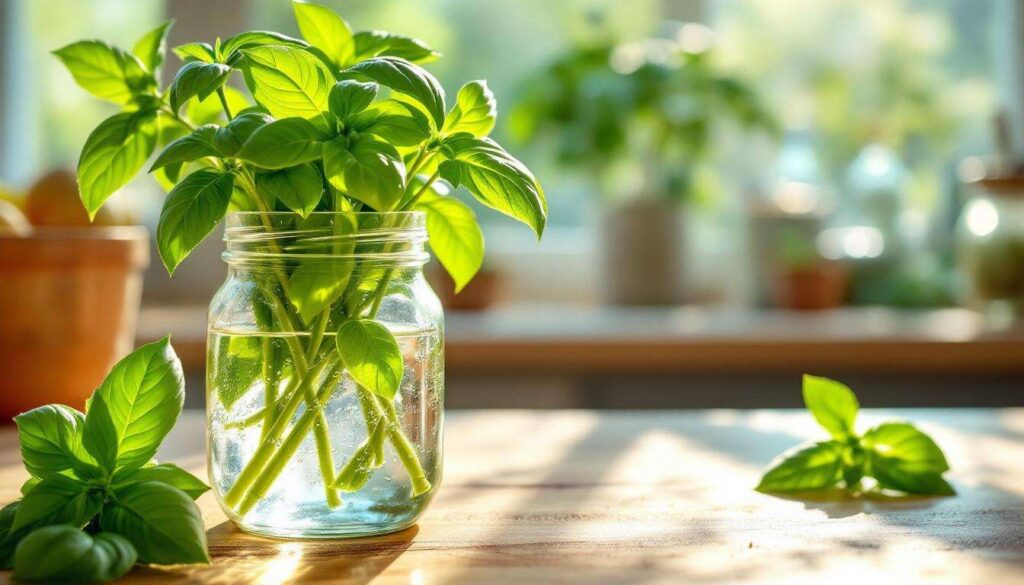
Water propagation offers simplicity and visual feedback that appeals to beginners. Fill a clean glass or jar with room-temperature water, ensuring sufficient depth to submerge at least two nodes whilst keeping remaining foliage above the waterline. Chlorinated tap water should stand for 24 hours before use, allowing chlorine to dissipate, or use filtered water to avoid chemical interference with root development.
Position the container in bright, indirect light near a window but away from intense afternoon sun that might overheat the water. Direct sunlight encourages algae growth and can cook delicate developing roots. Change the water every two to three days to maintain oxygen levels and prevent bacterial proliferation.
- Maintain water temperature between 18-24°C for optimal rooting
- Observe roots emerging from nodes within 7-14 days
- Allow roots to reach 5-7 centimetres before transplanting
- Add a tiny pinch of rooting hormone powder to accelerate development (optional)
Direct soil propagation method
Some gardeners prefer inserting cuttings directly into moist potting compost, eliminating the transition from water to soil. This approach requires slightly more attention to humidity but produces cuttings already adapted to their growing medium. Fill small pots with a light, well-draining mixture of multipurpose compost and perlite or vermiculite in equal proportions.
Create a planting hole with a pencil, insert the prepared cutting so two nodes sit below the surface, and firm the compost gently around the stem. Water thoroughly and cover with a clear plastic bag or propagator lid to maintain humidity around the cutting whilst roots develop. Mist the foliage daily and ensure the compost remains consistently moist but not waterlogged.
Environmental conditions for success
Regardless of chosen method, environmental factors critically influence rooting success. Temperature stability matters considerably, with basil preferring warmth between 20-25°C. Fluctuations below 15°C slow root development dramatically, whilst temperatures exceeding 30°C stress cuttings and promote fungal issues.
Humidity levels warrant attention, particularly with soil propagation. Cuttings lacking roots cannot replace moisture lost through leaves, making a humid microenvironment essential. Propagators, plastic bags, or even inverted clear containers create suitable conditions by trapping moisture around foliage.
Once roots establish adequately, cuttings require careful handling during the transplanting phase to ensure continued success.
Successfully transplanting your new plants
Recognising transplant readiness
Determining the optimal moment for transplanting prevents setbacks caused by premature or delayed potting. Water-propagated cuttings become ready when roots measure 5-7 centimetres in length and display branching secondary roots. Excessively long roots grown in water become brittle and fragile, complicating transplantation and increasing breakage risk.
Soil-propagated cuttings signal readiness through visible new growth at the stem tip, indicating successful root establishment. Gentle resistance when tugging the stem also confirms adequate root anchorage, though excessive force should be avoided to prevent damage.
Preparing containers and growing medium
Select pots with drainage holes measuring 10-12 centimetres in diameter for individual plants. Quality potting compost formulated for herbs or vegetables provides ideal nutrition and structure, though standard multipurpose compost amended with perlite for drainage works equally well.
Fill containers to within 2 centimetres of the rim, creating a planting hole slightly larger than the root mass. For water-propagated cuttings, handle roots with extreme care as they adapt to their new medium. Position the cutting at the same depth it occupied in water, ensuring nodes that produced roots remain buried.
Post-transplant care during establishment
Newly transplanted basil requires attentive care during the critical establishment period. Water thoroughly immediately after potting to settle compost around roots and eliminate air pockets. Place pots in bright, indirect light for three to five days, gradually introducing direct sunlight to prevent shock.
- Maintain consistently moist but not saturated compost
- Avoid fertilising for two weeks to allow root recovery
- Monitor for wilting and increase humidity if necessary
- Pinch out the growing tip once new growth appears to encourage bushiness
As plants establish and begin active growth, ongoing maintenance practices determine harvest abundance and plant longevity.
Caring for your plants for an abundant harvest
Light and temperature requirements
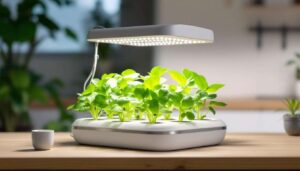
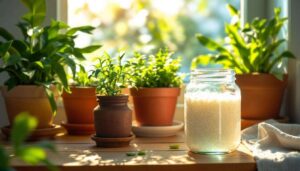
Basil thrives with generous light exposure, requiring minimum six hours of direct sunlight daily for optimal growth and flavour development. South-facing windowsills provide ideal conditions in the UK, though supplementary grow lights benefit plants during winter months when natural light diminishes. Insufficient light produces leggy growth with sparse foliage and diminished aromatic oils.
Temperature consistency matters considerably for sustained production. Maintain growing areas between 18-25°C, protecting plants from cold draughts and sudden temperature drops. Basil exhibits extreme sensitivity to cold, with exposure below 10°C causing irreversible damage to foliage and growth cessation.
Watering and feeding strategies
Proper irrigation balances basil’s preference for consistent moisture against its vulnerability to root rot. Check compost daily and water when the top centimetre feels dry to touch, applying water until it drains from pot holes. Morning watering allows foliage to dry before evening, reducing fungal disease risk.
Begin feeding two weeks after transplanting with a balanced liquid fertiliser diluted to half strength. Apply fortnightly during active growth, switching to weekly applications once plants reach full size and regular harvesting begins. Organic options such as seaweed extract or fish emulsion provide gentle nutrition whilst improving soil structure.
Pruning and harvesting techniques for continuous production
Strategic harvesting maintains productive, bushy plants whilst providing continuous fresh leaves. Always harvest from the top down, pinching out stem tips just above a leaf pair. This technique stimulates branching from lower nodes, creating fuller plants with multiple harvest points.
- Begin harvesting once plants reach 15-20 centimetres in height
- Remove no more than one-third of total foliage at any single harvest
- Pinch out flower buds immediately as they appear to maintain leaf production
- Harvest in morning after dew dries for peak flavour concentration
- Use sharp scissors to prevent stem damage and disease entry
Regular harvesting, rather than damaging plants, actually extends their productive lifespan by preventing flowering and maintaining vegetative growth. With attentive care, propagated basil plants continue producing for four to six months before requiring replacement.
Transforming supermarket basil into a self-sustaining herb garden requires minimal investment yet delivers substantial returns. The propagation techniques outlined provide reliable methods for multiplying plants, whilst proper variety selection ensures strong performance. Careful attention during cutting preparation and rooting establishes healthy specimens, and thoughtful transplanting preserves their vigour. Ongoing maintenance practices maximise harvest potential, creating an abundant supply of fresh basil from an initial modest purchase. This approach combines economic sensibility with environmental responsibility, reducing waste whilst ensuring aromatic herbs remain constantly available for culinary adventures.