
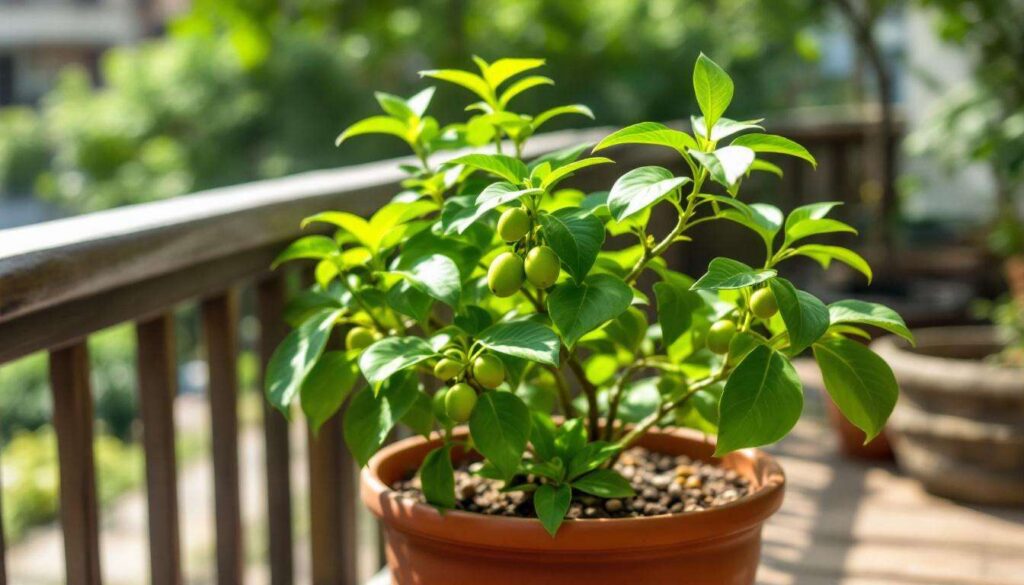
Growing tropical fruit trees in containers has become increasingly popular among urban gardeners and enthusiasts seeking to cultivate exotic produce in limited spaces. The longan tree, with its sweet, translucent fruits and manageable size when grown in pots, offers an excellent opportunity for those wanting to experience subtropical gardening without requiring extensive ground space. This comprehensive guide explores the essential techniques for successfully cultivating longan plants in containers, from initial setup through to harvest.
Preparing the planting location and soil
Selecting the ideal container
The foundation of successful pot cultivation begins with choosing an appropriate container. For longan trees, select a pot with a minimum diameter of 45-60 centimetres and adequate depth to accommodate the developing root system. Ensure the container features multiple drainage holes at the base to prevent waterlogging, which can lead to root rot and compromised tree health. Terracotta, ceramic or large plastic pots all work well, though terracotta offers superior breathability for roots.
Creating the optimal soil mixture
Longan trees thrive in well-draining, nutrient-rich soil with a slightly acidic to neutral pH range. The ideal composition includes:
- Two parts quality potting compost
- One part perlite or coarse sand for drainage
- One part well-rotted organic matter or compost
- A handful of slow-release fertiliser granules
This mixture ensures proper aeration whilst retaining sufficient moisture for healthy growth. Avoid garden soil, which compacts easily in containers and restricts root development. Test the pH level and adjust if necessary using sulphur to lower pH or lime to raise it, targeting a range between 5.5 and 7.0.
Positioning for maximum sunlight exposure
Location plays a crucial role in longan tree productivity. Position your container where it receives six to eight hours of direct sunlight daily. South-facing patios, balconies or courtyards typically provide optimal light conditions. The mobility of potted trees allows you to adjust placement seasonally, moving them to sheltered spots during harsh weather whilst maximising sun exposure during growing periods.
With the growing environment properly established, attention turns to selecting a variety suited to container cultivation and your specific climate conditions.
Choosing the right longan variety for pot cultivation
Understanding variety characteristics
Not all longan varieties adapt equally well to pot cultivation. Dwarf and compact varieties prove most successful, as they naturally maintain manageable sizes whilst producing abundant fruit. Standard varieties can grow excessively large, requiring constant pruning and eventually outgrowing their containers. Research the mature size and growth habits before purchasing to ensure long-term success.
Recommended cultivars for containers
| Variety | Mature Height in Pots | Fruit Characteristics | Climate Tolerance |
|---|---|---|---|
| Biew Kiew | 1.8-2.4 metres | Sweet, large fruits | Warm subtropical |
| Eureka | 2-2.5 metres | Juicy, aromatic | Tropical to warm subtropical |
| Diamond River | 1.5-2 metres | Consistent producer | Tolerates cooler conditions |
Sourcing healthy specimens
Purchase longan trees from reputable nurseries specialising in tropical fruit trees. Select specimens with vibrant green foliage, no visible pest damage, and a well-established root system. Grafted trees typically fruit earlier than seed-grown plants, often producing within three to five years compared to seven or more for seedlings. Inspect the graft union for signs of disease or poor healing before purchasing.
Once you’ve selected an appropriate variety, proper planting technique ensures your longan tree establishes successfully in its new container home.
Planting the longan tree in pots
Timing your planting
The optimal planting window occurs during spring months after frost danger has passed, allowing the tree to establish before summer heat arrives. In frost-free climates, autumn planting also succeeds, giving roots time to develop during cooler months before the following growing season.
Step-by-step planting process
Follow these steps for successful establishment:
- Fill the container one-third full with prepared soil mixture
- Carefully remove the longan tree from its nursery pot, gently loosening circling roots
- Position the tree so the root ball sits 2-3 centimetres below the container rim
- Fill around the root ball with soil, firming gently to eliminate air pockets
- Water thoroughly until liquid drains from the bottom holes
- Add a layer of organic mulch, keeping it away from the trunk
Initial care requirements
Newly planted longan trees require consistent moisture during establishment without becoming waterlogged. Water when the top 5 centimetres of soil feels dry to touch. Avoid fertilising immediately after planting; wait approximately six to eight weeks before introducing nutrients, allowing roots to settle and begin active growth.
With your longan tree properly planted, ongoing care and maintenance become the focus for ensuring vigorous growth and eventual fruit production.
Care and maintenance of potted longan trees
Watering requirements and techniques
Longan trees demand regular, consistent watering but suffer when roots sit in saturated soil. During active growth periods, water deeply when the top layer of soil dries out, typically every two to three days in warm weather. Reduce frequency during cooler months or dormant periods. Container-grown trees dry out faster than ground-planted specimens, requiring vigilant monitoring especially during hot, windy conditions.
Fertilisation schedule and nutrients
Feed your potted longan tree with a balanced, slow-release fertiliser formulated for fruit trees. Apply every eight to ten weeks during the growing season, following package directions for container plants. Supplement with liquid fertiliser monthly during peak growth for optimal results. Key nutrients include:
- Nitrogen for foliage development
- Phosphorus for root strength and flowering
- Potassium for fruit quality and disease resistance
- Micronutrients including iron, manganese and zinc
Pruning and shaping techniques
Regular pruning maintains manageable size and encourages productive branching. Remove dead, damaged or crossing branches annually during late winter before new growth emerges. Shape the canopy to allow light penetration and air circulation, which reduces disease pressure. Pinch back vigorous shoots to promote bushier growth and remove any suckers appearing below the graft union.
Repotting considerations
Longan trees require repotting every three to four years as they outgrow their containers. Signs include roots circling the drainage holes, reduced growth vigour, or rapid soil drying. Move to a container 10-15 centimetres larger in diameter, using fresh soil mixture. Root pruning during repotting helps maintain size whilst encouraging new feeder root development.
Despite proper care, longan trees occasionally encounter problems that require prompt attention and appropriate solutions.
Troubleshooting common issues
Pest identification and management
Container-grown longan trees attract various pests that compromise health and productivity. Common culprits include:
- Aphids: cluster on new growth, causing distortion and sticky honeydew deposits
- Scale insects: appear as brown bumps on stems and leaves, weakening the tree
- Spider mites: create fine webbing and cause leaf stippling in hot, dry conditions
- Mealybugs: white, cottony masses in leaf axils and branch crotches
Address infestations with horticultural oil sprays or insecticidal soap, applying thoroughly to all plant surfaces. Encourage beneficial insects like ladybirds and lacewings for natural pest control.
Disease prevention and treatment
Fungal diseases pose the greatest threat to potted longan trees, particularly in humid conditions with poor air circulation. Watch for leaf spot, powdery mildew and root rot. Prevent problems by ensuring adequate spacing between plants, avoiding overhead watering, and maintaining proper drainage. Treat fungal issues with appropriate fungicides and remove affected plant material promptly.
Addressing environmental stress
Longan trees exhibit specific symptoms when environmental conditions prove unsuitable. Leaf yellowing may indicate nutrient deficiency or overwatering, whilst leaf drop suggests temperature stress or inconsistent watering. Brown leaf tips often result from salt accumulation in the soil or inadequate humidity. Adjust care practices accordingly and flush containers periodically to remove accumulated salts.
Successfully navigating these challenges leads to the rewarding experience of harvesting fresh longan fruits from your container-grown tree.
Harvesting and storing longan fruits
Recognising fruit maturity
Longan fruits ripen approximately 140 to 150 days after flowering, typically during late summer or early autumn. Mature fruits display a tan to yellowish-brown shell with slight give when gently squeezed. The entire cluster ripens simultaneously, unlike some fruits that mature individually. Taste-test a fruit from each cluster to confirm sweetness before harvesting, as colour alone doesn’t guarantee ripeness.
Proper harvesting technique
Harvest longan fruits by cutting entire clusters from the tree using sharp secateurs, leaving a short stem attached. Avoid pulling fruits, which damages both the fruit and tree. Handle clusters gently to prevent bruising the delicate flesh beneath the shell. Harvest during dry conditions when possible, as moisture on fruits reduces storage life.
Storage methods and shelf life
Fresh longan fruits store well under proper conditions. Keep them at room temperature for up to five days or refrigerate for two to three weeks. For extended storage, freeze peeled fruits in airtight containers for several months. The fruits also dry successfully, concentrating their sweetness and creating a shelf-stable product resembling raisins.
Growing longan trees in containers offers urban gardeners and fruit enthusiasts the opportunity to cultivate exotic tropical produce in limited spaces. Success requires careful attention to variety selection, proper soil preparation, consistent watering and feeding, plus vigilant pest and disease management. Container cultivation provides excellent control over growing conditions whilst allowing flexibility to adjust placement for optimal light exposure and weather protection. With patience and appropriate care, potted longan trees reward growers with clusters of sweet, aromatic fruits that rival those from traditional orchard settings. The compact nature of container-grown specimens makes this rewarding endeavour accessible to anyone with adequate sunlight and dedication to proper horticultural practices.