
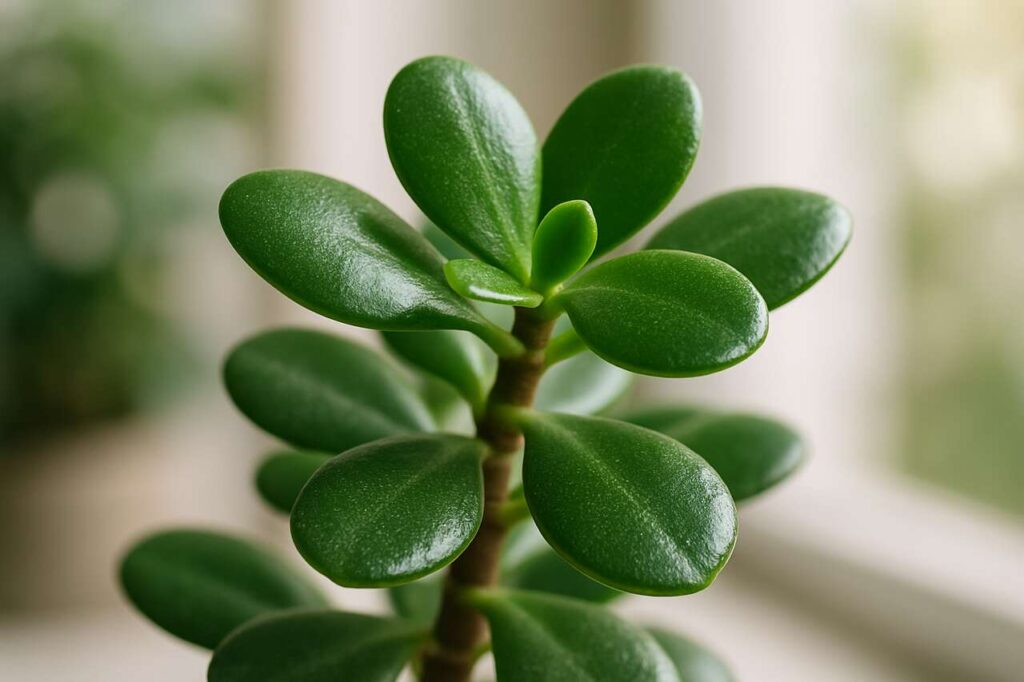
Jade plants, with their thick, glossy leaves and tree-like appearance, have long been cherished as symbols of prosperity and good fortune. Yet even these resilient succulents can fall victim to neglect or improper care, leaving owners bewildered as their once-thriving specimens begin to wilt and fade. Recognising the warning signs early and implementing targeted recovery strategies can mean the difference between losing a beloved plant and nursing it back to full vigour. Understanding the specific needs of Crassula ovata and addressing problems promptly will help ensure your jade plant continues to flourish for years to come.
Identification of jade plant distress signs
Visual indicators of declining health
The first step in reviving a jade plant involves recognising when something has gone awry. Leaf discolouration often serves as the most obvious warning signal, with healthy green leaves turning yellow, brown, or developing unsightly black spots. Wrinkled or shrivelled foliage indicates dehydration, whilst soft, mushy leaves suggest overwatering and potential root rot. Leaf drop, particularly when excessive, signals severe stress that requires immediate attention.
The stem condition provides equally valuable diagnostic information. A soft or blackened stem typically indicates rot has taken hold, whilst a woody, brittle appearance may suggest extreme dehydration. Examine the base of the plant carefully, as this area often shows the earliest signs of deterioration.
Root system assessment
Whilst above-ground symptoms provide crucial clues, the root system tells the complete story. Gently remove the plant from its pot to inspect the roots, looking for these warning signs:
- Brown, mushy roots indicating rot
- Dried, brittle roots suggesting severe dehydration
- Circling roots that have become pot-bound
- Foul odour emanating from the root ball
- Minimal root development in proportion to plant size
Healthy jade plant roots should appear white or light tan with a firm texture. Any deviation from this standard warrants corrective action. These physical manifestations of distress point directly to underlying environmental or care-related issues that must be addressed.
Common causes of jade plant decline
Watering imbalances
The most frequent culprit behind jade plant deterioration involves improper watering practices. Overwatering leads to root rot, fungal infections, and eventual plant death, whilst underwatering causes leaf shrivelling and stunted growth. Jade plants require a delicate balance, with soil that dries completely between waterings during active growth periods.
| Condition | Symptoms | Cause |
|---|---|---|
| Overwatering | Soft leaves, stem rot, yellowing | Excessive moisture, poor drainage |
| Underwatering | Wrinkled leaves, leaf drop, dry soil | Infrequent watering, low humidity |
Light and temperature stress
Insufficient light causes leggy growth and pale leaves, whilst excessive direct sunlight can scorch foliage, leaving brown patches. Jade plants thrive in bright, indirect light with some direct morning sun. Temperature fluctuations and cold draughts also contribute to decline, as these succulents prefer consistent warmth between 18-24°C.
Nutritional deficiencies and soil problems
Compacted or depleted soil prevents proper root function and nutrient uptake. Jade plants require well-draining soil specifically formulated for succulents or cacti. Dense, water-retentive potting mix creates anaerobic conditions that suffocate roots and promote disease. Additionally, lack of fertilisation during growing seasons can result in slow growth and pale foliage. With these causative factors identified, implementing appropriate recovery measures becomes the logical next step.
Recovery techniques for a struggling jade plant
Emergency root system rehabilitation
When root rot has developed, immediate intervention proves essential. Remove the plant from its container and carefully wash away all soil to expose the root system. Using sterilised scissors or pruning shears, cut away any brown, mushy, or diseased roots until only healthy tissue remains. Allow the trimmed roots to air-dry for 24-48 hours before repotting, which helps prevent further infection.
For severely damaged plants with extensive root loss, consider taking healthy stem cuttings as insurance. Remove 7-10cm sections from viable stems, allow the cut ends to callus for several days, then plant in fresh succulent mix.
Repotting protocol
Select a container with adequate drainage holes, sizing up only slightly from the previous pot. Prepare fresh succulent or cactus potting mix, ensuring excellent drainage properties. The repotting process should follow these steps:
- Place a layer of drainage material at the pot bottom
- Position the plant at the same depth as previously grown
- Fill around roots with fresh soil mixture
- Firm gently without compacting excessively
- Wait 3-5 days before the first watering
Pruning damaged foliage
Remove all dead, diseased, or severely damaged leaves using clean, sharp tools. This redirects the plant’s energy towards recovery rather than maintaining compromised tissue. Prune leggy growth to encourage bushier development and improve overall structure. Each cut should be made cleanly at the stem junction to minimise stress and infection risk. Having stabilised the plant’s condition through these interventions, establishing proper ongoing care becomes paramount.
Daily care to revitalise your jade plant
Optimised watering schedule
Developing a responsive watering routine rather than a fixed schedule proves most effective. Check soil moisture by inserting a finger 5cm deep; water only when completely dry. During spring and summer, this typically means watering every 10-14 days, whilst winter dormancy requires monthly watering at most. Always water thoroughly until excess drains from the bottom, then empty any collected water from saucers.
Light and positioning strategy
Place your recovering jade plant in a location receiving 4-6 hours of bright, indirect light daily. A south-facing or west-facing window with sheer curtains provides ideal conditions. Rotate the pot quarterly to ensure even growth and prevent lopsided development. During summer months, gradually acclimate plants to outdoor conditions if desired, providing protection from intense midday sun.
Feeding and maintenance
Resume fertilisation once new growth appears, using a balanced, water-soluble fertiliser diluted to half strength. Apply monthly during spring and summer, ceasing entirely during autumn and winter. Monitor for pests such as mealybugs and scale insects, treating promptly with appropriate methods. These nurturing practices will gradually restore vitality, though certain pitfalls must be consciously avoided.
Mistakes to avoid to ensure jade plant health
Overcompensation after decline
Many owners, upon noticing their jade plant’s distress, attempt to remedy the situation too aggressively. Excessive watering to compensate for previous neglect or sudden relocation to intense light can shock an already stressed plant. Recovery requires gradual adjustments and patience rather than dramatic interventions. Allow the plant to stabilise between changes, monitoring its response before implementing additional modifications.
Ignoring environmental consistency
Frequent repositioning disrupts the plant’s adaptation process. Once you’ve identified an appropriate location, maintain that placement unless clear signs indicate otherwise. Similarly, avoid these common environmental errors:
- Placing near heating vents or air conditioning units
- Exposing to cold draughts from windows or doors
- Subjecting to rapid temperature fluctuations
- Using decorative pots without drainage holes
Neglecting seasonal adjustments
Jade plants experience natural growth cycles that demand modified care throughout the year. Maintaining summer watering schedules during winter dormancy inevitably leads to problems. Recognise that reduced light and cooler temperatures necessitate less frequent watering and no fertilisation. Conversely, failing to increase care during active growth periods limits recovery potential.
With proper attention to warning signs, targeted interventions, and consistent appropriate care, even severely declining jade plants can return to robust health. The key lies in understanding these succulents’ specific requirements and responding thoughtfully to their needs. By avoiding common pitfalls and maintaining environmental stability, you’ll create conditions that allow your jade plant not merely to survive but to thrive, developing into the impressive specimen it was meant to become.