

Gardens benefit immensely from the year-round presence of evergreen plants, which provide structure, colour, and visual interest even during the bleakest winter months. Experts in horticulture and landscape design emphasise that incorporating these resilient plants into your outdoor space creates a framework that enhances the overall aesthetic whilst requiring minimal upkeep. By selecting the right varieties and positioning them strategically, homeowners can transform their gardens into enduring sanctuaries that remain attractive throughout every season.
Choosing the best evergreen shrubs for your garden
Understanding the role of evergreen shrubs in garden design
Evergreen shrubs serve as the backbone of any well-structured garden, offering continuous foliage that anchors the landscape. Unlike deciduous plants that shed their leaves, these hardy specimens maintain their appearance throughout the year, providing a consistent visual framework. Experts recommend selecting varieties that suit your specific climate and soil conditions to ensure optimal growth and longevity.
Recommended varieties for structure and low maintenance
Several evergreen shrubs stand out for their combination of aesthetic appeal and minimal care requirements. Consider incorporating the following options into your planting scheme:
- Abelia: offers delicate flowers alongside glossy foliage, requiring little pruning due to its naturally compact growth habit
- Pittosporum: provides dense, attractive leaves and grows slowly, reducing the frequency of maintenance tasks
- Boxwood: ideal for formal hedging and topiary, with a classic appearance that suits traditional and contemporary gardens alike
- Holly: delivers year-round interest with glossy leaves and bright berries, whilst also providing habitat for wildlife
Evaluating growth habits and space requirements
Before selecting evergreen shrubs, assess the mature size of each plant to ensure it fits comfortably within your available space. Slow-growing varieties reduce the need for frequent trimming, making them particularly suitable for gardeners seeking to minimise ongoing maintenance. Understanding the eventual height and spread of each shrub prevents overcrowding and ensures that each plant can develop its full potential without competing for resources.
Once you have identified the most suitable shrubs for your garden, the next consideration involves determining the optimal time to introduce these plants to your outdoor space.
When to plant evergreen trees ?
Optimal planting seasons for establishment
The timing of planting significantly influences the success rate of evergreen trees and shrubs. Late spring, after the final frost date, represents the ideal window for introducing new plants to your garden. This period allows roots to establish before the heat of summer whilst avoiding the stress of transplanting during extreme temperatures. Autumn also presents a suitable planting season, as cooler weather and increased rainfall support root development before winter dormancy.
Benefits of container-grown plants
Purchasing potted evergreen plants offers several advantages over growing from seed, particularly for gardeners seeking immediate impact. Container-grown specimens can be planted throughout the growing season, provided they receive adequate watering during establishment. This approach eliminates the lengthy germination period and reduces the risk of failure, making it an efficient choice for those wishing to create structure quickly.
| Planting method | Time to establishment | Maintenance level |
|---|---|---|
| Container-grown plants | 6-12 months | Low to moderate |
| Bare-root plants | 12-18 months | Moderate |
| Growing from seed | 2-3 years | High |
Post-planting care essentials
After planting, ensure your evergreens receive consistent moisture during their first growing season. Mulching around the base of each plant helps retain soil moisture, suppress weeds, and regulate soil temperature. Avoid placing mulch directly against the trunk or stems, as this can encourage rot and pest problems.
With the practicalities of planting established, attention turns to the broader principles of incorporating evergreens into your overall landscape design.
Expert tips for landscaping with evergreens
Creating layers and varying heights
Landscape professionals emphasise the importance of diversifying heights and textures when working with evergreen plants. By combining tall trees, medium-sized shrubs, and low-growing ground covers, you create visual depth that draws the eye through different levels of the garden. This layered approach mimics natural woodland environments whilst providing structure that remains effective throughout the year.
Balancing evergreens with seasonal interest
Whilst evergreens provide the structural foundation, surrounding them with long-blooming perennials and ornamental grasses introduces dynamic seasonal changes. This combination ensures that your garden maintains interest beyond the consistent foliage of evergreens, with flowering plants providing bursts of colour during warmer months. The permanent framework of evergreens prevents the garden from appearing bare during dormant periods.
Incorporating native species for ecological benefits
Selecting native evergreen species offers multiple advantages for both your garden and the local ecosystem:
- Enhanced biodiversity through provision of food and shelter for native wildlife
- Reduced water requirements due to natural adaptation to local climate conditions
- Lower susceptibility to regional pests and diseases
- Support for pollinators and beneficial insects throughout the year
These ecological considerations not only benefit the environment but also contribute to a healthier, more resilient garden that requires less intervention over time.
Beyond their structural and ecological roles, evergreens can be strategically positioned to create specific functional areas within your outdoor space.
Creating relaxation areas with evergreen trees
Using evergreens as natural screens and windbreaks
Tall evergreen trees and dense shrubs serve as effective privacy screens, transforming exposed areas into secluded retreats. By positioning these plants along property boundaries or around seating areas, you create intimate spaces shielded from neighbouring views and prevailing winds. This natural screening proves more aesthetically pleasing than artificial fencing whilst providing additional environmental benefits such as noise reduction and air filtration.
Defining outdoor rooms with strategic placement
Evergreen hedges and grouped plantings function as living walls that delineate different zones within your garden. Consider using these plants to separate dining areas from play spaces, or to create quiet corners for reading and contemplation. The permanent nature of evergreens ensures these divisions remain clear throughout the year, providing a sense of structure and purpose to your outdoor environment.
Enhancing comfort through microclimate modification
Strategically placed evergreens can significantly improve the comfort of outdoor relaxation areas by moderating temperature and wind exposure. Dense plantings reduce wind speed, creating sheltered spots that remain usable during cooler months. Additionally, the shade provided by larger specimens offers respite during hot summer days, extending the usability of outdoor spaces across different seasons.
These functional applications of evergreens demonstrate their versatility beyond purely decorative purposes, leading to broader considerations of how they contribute to overall garden organisation.
Using evergreens to structure your garden
Establishing focal points and visual anchors
Evergreen trees and specimen shrubs serve as permanent focal points that anchor the visual composition of your garden. Positioning a striking conifer or sculptural evergreen at key viewpoints creates interest that persists regardless of season. These anchor plants provide reference points around which other elements can be arranged, ensuring coherence throughout your landscape design.
Creating pathways and circulation patterns
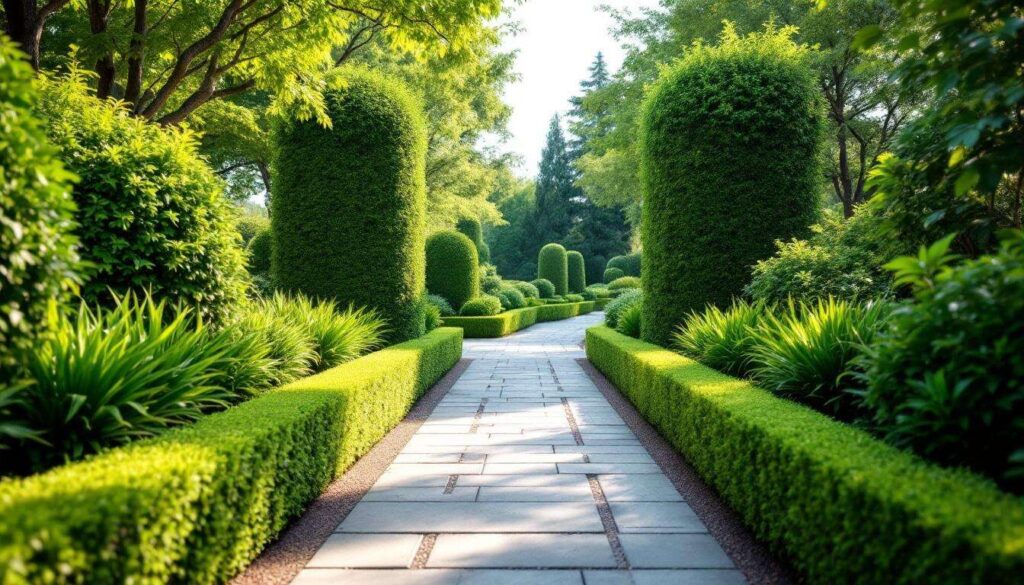
Low-growing evergreen hedges and border plantings effectively guide movement through the garden by defining pathways and circulation routes. This subtle direction encourages visitors to explore different areas whilst maintaining clear access to functional spaces. The year-round presence of these plants ensures pathways remain visually defined even when herbaceous borders die back during winter months.
Simplifying maintenance through strategic design
Incorporating evergreens into your garden structure reduces ongoing maintenance requirements through several mechanisms:
- Slow-growing varieties require infrequent pruning, saving time and effort
- Dense foliage suppresses weed growth beneath plantings, reducing the need for weeding
- Mulching around evergreens further inhibits weeds whilst conserving soil moisture
- Established plants develop deep root systems that require less frequent watering
This approach to garden design prioritises sustainability and efficiency, creating outdoor spaces that remain attractive without demanding excessive time or resources.
Having established the structural framework, the final consideration involves enhancing the visual richness of your evergreen plantings through thoughtful variety selection.
Enhancing visual impact with a variety of evergreen plants
Combining different foliage textures and colours
Evergreens offer surprising diversity in foliage appearance, ranging from fine, needle-like leaves to broad, glossy surfaces. By combining plants with contrasting textures, you create visual interest that prevents monotony within your planting scheme. Similarly, foliage colours extend beyond simple green to include blue-grey, golden, and variegated forms, providing opportunities for sophisticated colour combinations that remain effective throughout the year.
Incorporating climbing and ground-covering varieties
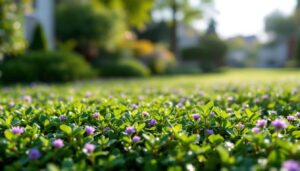
Expanding your evergreen palette beyond trees and shrubs introduces additional layers of interest. Evergreen climbers such as ivy and certain clematis varieties add vertical dimension to walls and structures, whilst ground-covering plants like creeping juniper and pachysandra provide attractive carpeting that suppresses weeds. These varied growth habits allow you to maximise the use of available space whilst maintaining year-round coverage.
Balancing unity and diversity in plant selection
Whilst variety enhances visual appeal, maintaining some consistency in your plant choices ensures cohesion throughout your garden. Repeating certain species at intervals creates rhythm and unity, preventing the landscape from appearing chaotic. This balance between repetition and variety represents a fundamental principle of successful garden design, applicable to evergreen plantings as much as any other element.
Transforming your garden with evergreen structure involves thoughtful selection of appropriate plants, strategic timing of installation, and careful consideration of design principles. By choosing low-maintenance varieties suited to your climate, planting at optimal times, and incorporating expert recommendations for layering and diversity, you create outdoor spaces that remain attractive throughout every season. The structural framework provided by evergreens reduces ongoing maintenance whilst supporting ecological health through habitat provision. Whether defining relaxation areas, establishing focal points, or enhancing visual interest through varied textures and forms, evergreen plants offer enduring solutions for gardens of all sizes and styles.