


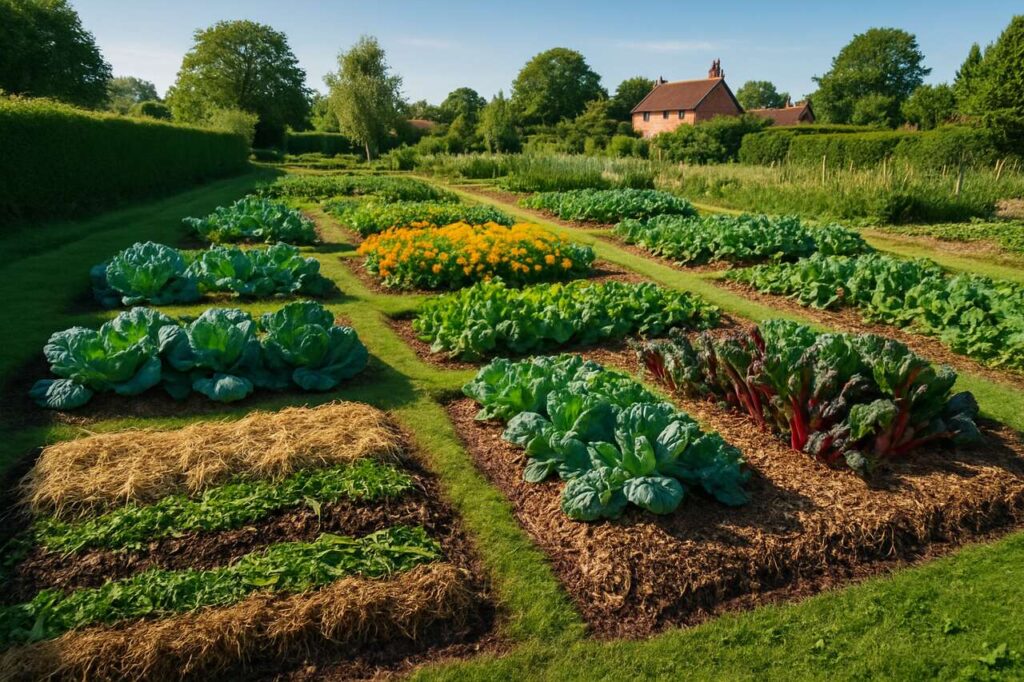
More British gardeners are discovering a revolutionary approach to cultivating their outdoor spaces that eliminates back-breaking digging whilst delivering remarkable results. This layered composting technique, which builds soil fertility naturally through organic matter decomposition, offers an accessible entry point for both novice and experienced horticulturists seeking sustainable growing methods. The method’s growing popularity stems from its ability to transform even the most challenging plots into productive growing areas without disturbing existing soil structure or requiring expensive equipment.
What is lasagna gardening ?
The layering principle explained
Lasagna gardening, also known as sheet composting, involves creating a garden bed by stacking alternating layers of organic materials directly onto the ground. The name derives from the distinctive layered structure that resembles the Italian dish, with each stratum contributing specific nutrients and properties to the developing growing medium. This technique builds upwards rather than requiring excavation, making it particularly suitable for areas with compacted soil or problematic ground conditions.
The fundamental concept revolves around mimicking natural forest floor decomposition, where fallen leaves, twigs, and organic debris gradually break down to create rich humus. Gardeners replicate this process by deliberately stacking materials in a sequence that promotes efficient decomposition whilst suppressing weeds and improving soil structure. The method requires no tilling, digging, or removal of existing vegetation, which remains beneath the layers to decompose and contribute to the overall fertility.
Origins and development of the technique
The practice emerged from permaculture principles and organic gardening movements that emphasised working with natural processes rather than against them. Patricia Lanza, an American gardening writer, popularised the term and methodology during the 1990s, though similar techniques had been employed by various cultures for generations. The approach gained traction among gardeners seeking labour-saving alternatives to traditional cultivation methods, particularly those with physical limitations or time constraints.
Understanding these foundational principles provides essential context for appreciating the numerous advantages this approach offers to contemporary gardeners.
The benefits of no-dig gardening
Soil health and structure improvements
The no-dig approach preserves the complex ecosystem within soil, protecting beneficial organisms that conventional digging disrupts or destroys. Earthworms, mycorrhizal fungi, and countless microorganisms maintain their established networks, continuing their vital work of aerating soil and converting organic matter into plant-available nutrients. This undisturbed environment creates superior soil structure with improved drainage and water retention capacity.
| Soil characteristic | Traditional digging | Lasagna gardening |
|---|---|---|
| Organic matter content | 2-3% average | 5-8% achievable |
| Earthworm population | Reduced by 40-60% | Increased by 100-200% |
| Water retention | Moderate | Significantly enhanced |
| Beneficial fungi | Disrupted networks | Thriving colonies |
Physical and practical advantages
The elimination of digging removes the most physically demanding aspect of garden creation, making horticulture accessible to individuals with mobility issues, back problems, or age-related limitations. The method requires significantly less time investment than traditional bed preparation, allowing gardeners to establish productive growing areas in a single afternoon rather than spending weeks preparing ground.
- Reduced physical strain and injury risk from repetitive digging motions
- Lower initial time investment for bed establishment
- Minimal ongoing maintenance requirements compared to tilled beds
- Effective weed suppression through light-blocking layers
- Improved moisture retention reducing watering frequency
- Gradual nutrient release as organic materials decompose
Economic considerations
Lasagna gardening utilises materials that many gardeners already possess or can obtain freely, dramatically reducing establishment costs. Cardboard packaging, autumn leaves, grass clippings, and kitchen scraps transform from waste products into valuable garden resources. This circular approach eliminates the need for purchasing expensive topsoil, compost, or fertilisers whilst simultaneously reducing household waste sent to landfill.
These compelling benefits explain the method’s increasing adoption, but successful implementation requires understanding the practical steps involved in creating these productive layers.
How to start a lasagna garden
Site selection and preparation
Choose a location receiving adequate sunlight for intended crops, typically six to eight hours daily for vegetables or four to six hours for shade-tolerant plants. The beauty of this method lies in its adaptability to various sites, including lawns, weedy patches, or areas with poor soil quality. No preliminary ground preparation proves necessary beyond marking the bed boundaries and removing any large rocks or debris from the surface.
For lawn areas, simply mow the grass as short as possible before beginning the layering process. The existing vegetation will decompose beneath the layers, contributing nitrogen and organic matter to the developing bed. This approach works equally well on concrete or paving, though such applications require deeper layers to provide adequate rooting depth.
The layering sequence
Begin with a foundation layer of cardboard or several sheets of newspaper, overlapping edges by at least 15 centimetres to prevent weed penetration. This base layer blocks light whilst remaining permeable to water and air, creating an effective barrier against existing vegetation without introducing synthetic materials. Wet this layer thoroughly before proceeding, as moisture proves essential for initiating decomposition.
Alternate between carbon-rich brown layers and nitrogen-rich green layers, following this general pattern:
- Carbon layer: 8-10 centimetres of dried leaves, straw, or shredded paper
- Nitrogen layer: 5-8 centimetres of grass clippings, kitchen scraps, or manure
- Carbon layer: another 8-10 centimetres of brown materials
- Nitrogen layer: 5-8 centimetres of green materials
- Repeat until reaching 45-60 centimetres total height
- Top with 8-10 centimetres of finished compost or quality topsoil
Timing considerations
Autumn represents the ideal season for establishing lasagna beds, allowing winter months for decomposition before spring planting. Beds created in autumn typically settle to approximately half their original height by spring, with materials partially broken down and ready to support plant growth. However, gardeners can create beds at any time, though immediate planting requires using more decomposed materials in upper layers.
For spring establishment, focus on incorporating well-rotted compost and finer materials in the top 20 centimetres, reserving coarser materials for lower layers where roots won’t immediately encounter them. Understanding which specific materials work best enhances the success of this layering approach.
Materials needed to create a lasagna garden
Carbon-rich brown materials
These materials provide the structural framework of the bed whilst contributing essential carbon for microbial activity. Dried autumn leaves represent perhaps the most abundant and effective brown material, readily available and perfectly suited to decomposition rates. Shred leaves before use to accelerate breakdown and prevent matting, which can create water-resistant layers.
- Dried leaves, preferably shredded
- Straw or hay, avoiding seed-bearing varieties
- Shredded cardboard and paper
- Wood chips or sawdust from untreated timber
- Pine needles in moderate quantities
- Peat-free compost or coir
Nitrogen-rich green materials
Green materials provide the nitrogen that fuels decomposition and subsequent plant growth. Fresh grass clippings work excellently but should be applied in thin layers to prevent anaerobic decomposition, which produces unpleasant odours. Kitchen scraps contribute valuable nutrients but require burial within layers to avoid attracting pests.
| Material type | Nitrogen content | Availability | Decomposition rate |
|---|---|---|---|
| Fresh grass clippings | High | Spring-autumn | Rapid |
| Kitchen vegetable scraps | Medium-high | Year-round | Moderate |
| Well-rotted manure | High | Variable | Already decomposed |
| Coffee grounds | Medium | Year-round | Moderate |
| Seaweed | Medium | Coastal areas | Rapid |
Materials to avoid
Certain materials prove unsuitable for lasagna gardens due to contamination risks, excessive decomposition times, or potential pest attraction. Treated timber products may leach harmful chemicals, whilst diseased plant material can introduce pathogens into the growing environment. Meat, dairy, and oily food scraps attract rodents and create odour problems as they decompose.
Once the bed is established with appropriate materials, ongoing care ensures continued productivity and soil improvement.
Tips for maintaining your lasagna garden
Watering requirements
Newly established lasagna beds require thorough initial watering to activate decomposition processes, with each layer wetted as construction proceeds. The organic materials act as a moisture reservoir, reducing subsequent watering needs compared to traditional beds. Monitor moisture levels by inserting fingers into the top layers, watering when the top 5 centimetres feels dry to touch.
Planting techniques
For beds created in autumn and planted the following spring, simply create planting holes through the settled layers into the underlying soil. The decomposed materials provide an excellent growing medium for most vegetables, herbs, and flowers. When planting into fresh beds, create deeper pockets filled with finished compost to provide immediate rooting zones whilst surrounding materials continue decomposing.
- Use a trowel to create generous planting holes
- Add finished compost around transplants
- Water plants individually after planting
- Apply mulch around established plants
- Monitor settling and add materials as needed
Ongoing layer additions
Lasagna gardens benefit from continuous additions of organic materials as they become available. As lower layers decompose and settle, top-dress beds with fresh compost, grass clippings, or shredded leaves between plantings. This perpetual composting maintains soil fertility without requiring separate compost bins or fertiliser applications.
These maintenance practices not only ensure productive gardens but also contribute to broader environmental benefits that extend beyond individual plots.
The ecological impact of lasagna gardening
Carbon sequestration and climate benefits
By keeping organic materials out of landfills and incorporating them into soil, lasagna gardening contributes to carbon sequestration efforts. Decomposing organic matter in anaerobic landfill conditions produces methane, a greenhouse gas significantly more potent than carbon dioxide. Converting these materials into stable soil organic matter locks carbon away whilst improving growing conditions.
Biodiversity enhancement
The rich, undisturbed environment created by lasagna gardening supports diverse soil organisms, from microscopic bacteria to larger invertebrates. This biological diversity creates resilient ecosystems better able to resist pests and diseases whilst cycling nutrients efficiently. The method also reduces reliance on synthetic inputs that can harm beneficial organisms and contaminate water systems.
Water conservation benefits
The improved soil structure and organic matter content significantly enhance water retention capacity, reducing irrigation requirements during dry periods. This proves increasingly valuable as climate patterns shift and water resources face greater pressure. The mulching effect of surface layers further reduces evaporation, keeping moisture available to plant roots for extended periods.
Lasagna gardening represents far more than a convenient cultivation technique. This approach addresses multiple environmental challenges whilst creating productive, beautiful growing spaces accessible to gardeners of all abilities. The method’s simplicity belies its effectiveness, transforming waste materials into thriving gardens that improve with each season. As more British gardeners discover these benefits, the collective impact on soil health, waste reduction, and local biodiversity continues growing, demonstrating that sustainable practices need not require sacrifice or complexity to deliver meaningful results.