



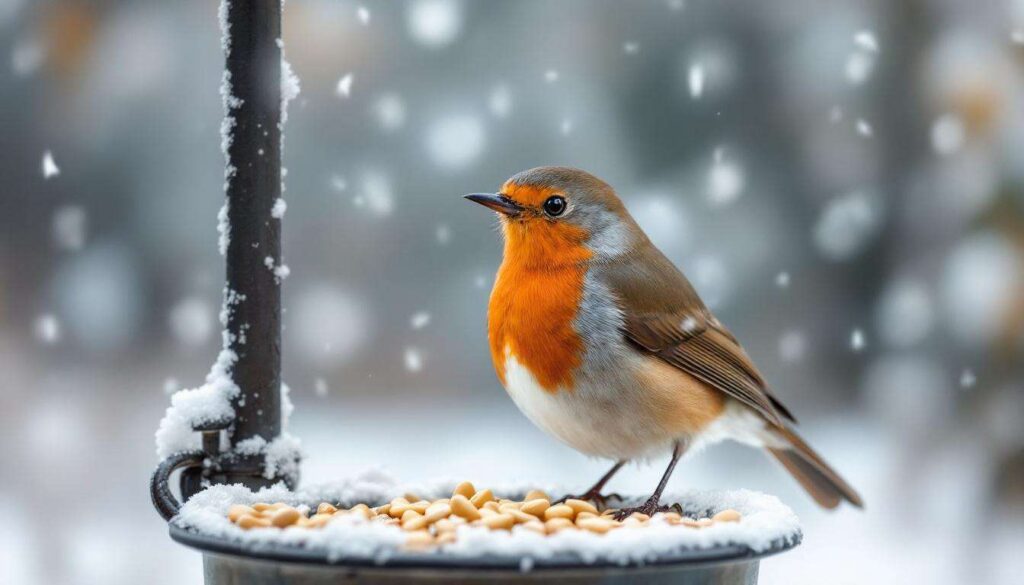
The robin redbreast has become a symbol of British winter, its cheerful presence brightening even the greyest of days. As temperatures drop and natural food sources become scarce, these charming birds increasingly rely on garden offerings to survive the harsh season. Understanding what attracts robins and how to provide for them effectively can transform any outdoor space into a haven for these beloved visitors, whilst requiring minimal investment and effort.
Why robins visit our gardens in winter
Natural food scarcity drives garden visits
During winter months, robins face a significant reduction in available natural food sources. Insects burrow deep into the soil or enter dormancy, whilst worms retreat below the frost line where robins cannot reach them. Berries and fruits that sustained them through autumn have largely been consumed or have rotted away. This scarcity compels robins to seek alternative feeding grounds, making gardens with supplementary food sources essential survival sites.
Territorial behaviour intensifies in cold weather
Robins are notably territorial birds, and this characteristic becomes more pronounced during winter. Both male and female robins establish and defend individual territories throughout the colder months. This territorial behaviour explains why gardeners often observe the same robin returning repeatedly to their garden. The bird has likely claimed that area as its own feeding ground and will vigorously defend it against intruders.
Energy requirements increase dramatically
Cold weather forces robins to expend considerably more energy maintaining their body temperature. A robin can lose up to 10% of its body weight overnight during particularly cold spells. This dramatic energy expenditure means robins must consume approximately 40% of their body weight in food daily during winter, compared to roughly 25% in summer. Gardens offering reliable food sources become critical to their survival strategy.
Understanding these winter pressures helps explain why certain food types prove particularly attractive to robins during the coldest months.
Experts’ favourite winter foods to attract robins
Mealworms top the preference list
Ornithologists consistently identify mealworms as the most effective robin attractant. These protein-rich larvae closely mimic the natural insect diet robins prefer. Both live and dried mealworms prove successful, though live specimens generate more immediate interest. Bird behaviour specialists note that robins can detect mealworm movement from considerable distances, making them particularly effective during initial attraction phases.
Grated cheese provides essential fats
Mild grated cheese has emerged as a surprisingly effective and economical option for feeding robins. Experts recommend:
- Using mild cheddar or similar varieties
- Grating cheese finely to prevent choking hazards
- Offering small quantities to avoid spoilage
- Avoiding blue cheese or strong varieties that may contain harmful moulds
The high fat content in cheese helps robins maintain body temperature whilst providing concentrated energy in small, easily digestible portions.
Suet-based products deliver concentrated nutrition
Suet pellets and suet-based foods provide exceptional caloric density that robins require during winter. These products combine animal fats with seeds, insects, or fruits, creating nutritionally complete offerings. Wildlife trusts particularly recommend suet products containing insect pieces, as these appeal most strongly to robins’ natural feeding preferences.
| Food type | Cost per 500g | Effectiveness rating |
|---|---|---|
| Dried mealworms | £8-12 | Excellent |
| Grated cheese | £3-5 | Very good |
| Suet pellets | £4-7 | Very good |
| Sunflower hearts | £5-8 | Good |
These food preferences reflect robins’ specific nutritional requirements, particularly their need for protein during the demanding winter period.
The role of proteins in robins’ winter diet
Protein maintains muscle condition
Robins require substantial protein intake to maintain flight muscles and overall physical condition during winter. Flight capability remains essential for escaping predators and defending territories. Protein deficiency leads to muscle wasting, compromising survival prospects. Natural insect prey provides optimal protein profiles, which explains why mealworms and other insect-based foods prove so successful in gardens.
Amino acids support immune function
The amino acids derived from protein sources play a crucial role in maintaining robust immune systems. Winter stress, combined with reduced daylight hours and temperature extremes, places significant demands on robins’ immune responses. Adequate protein consumption helps birds resist parasites and diseases that become more prevalent when birds congregate around limited food sources.
Protein aids feather maintenance
Feathers consist primarily of protein, and maintaining their condition proves vital for insulation and waterproofing. Robins must keep their plumage in excellent condition throughout winter to survive cold, wet weather. Protein-rich foods support the ongoing feather maintenance and minor repairs that occur continuously, even outside the main moulting period.
Recognising protein’s importance helps gardeners create food mixtures that genuinely support robin health rather than merely attracting them.
How to prepare an effective food mix for robins
Creating a balanced homemade blend
Bird welfare organisations recommend preparing custom food mixtures tailored specifically for robins. An effective basic mixture combines:
- 50% dried mealworms or mealworm pieces
- 25% finely grated mild cheese
- 15% crushed suet or suet pellets
- 10% sunflower hearts, chopped
This combination provides balanced nutrition whilst remaining affordable. The mixture should be prepared fresh weekly and stored in an airtight container in a cool, dry location to prevent spoilage.
Adjusting consistency for different feeders
The physical form of food offerings matters considerably. Robins prefer feeding from ground level or low platforms rather than hanging feeders. For ground feeding, slightly larger pieces work well as they remain visible. For platform feeders, finer mixtures prevent waste from wind dispersal. Some gardeners add a small amount of water to create a crumbly texture that holds together better whilst remaining easy for robins to break apart.
Seasonal adjustments to the basic recipe
During particularly severe cold snaps, increasing the fat content by adding more suet or a small amount of lard helps robins meet heightened energy demands. Conversely, as winter progresses towards spring, gradually reducing fat content whilst maintaining protein levels supports robins’ transition back to natural food sources without creating dependency.
Proper preparation ensures food remains palatable and nutritious, but placement determines whether robins will actually discover and utilise these offerings.
The importance of feeder placement for attracting robins
Ground-level feeding suits natural behaviour
Robins are ground-feeding birds by nature, spending much of their time hopping along the ground searching for invertebrates. Placing food directly on the ground or on low platform feeders aligns with their instinctive feeding behaviour. Raised platforms approximately 30-60 centimetres high offer ideal compromise positions, providing ground-level accessibility whilst keeping food above frost and reducing contamination risks.
Proximity to cover enhances security
Feeders positioned within two to three metres of shrubs or hedging attract more robins than those in open spaces. This proximity allows birds to retreat quickly if predators appear, particularly sparrowhawks which pose the primary threat to garden robins. However, cover should not be immediately adjacent, as this provides ambush opportunities for cats. The optimal arrangement places feeders in semi-open positions with escape routes to dense vegetation nearby.
Multiple feeding stations reduce competition
Given robins’ territorial nature, providing several feeding stations throughout larger gardens allows multiple individuals to feed without constant conflict. Spacing stations at least 10 metres apart typically permits peaceful coexistence. This approach proves particularly valuable in areas where territories overlap or during severe weather when territorial boundaries relax slightly.
Strategic placement maximises the likelihood of attracting robins, but several additional considerations can enhance success rates further.
Tips for encouraging robins in your garden
Maintain consistent feeding schedules
Robins quickly learn when food appears and adjust their daily routines accordingly. Offering food at consistent times, particularly early morning and mid-afternoon, helps robins incorporate garden visits into their survival strategies. Consistency proves especially important during harsh weather when robins depend heavily on supplementary feeding.
Provide fresh water alongside food
Access to unfrozen water remains as critical as food during winter. Robins require water for drinking and maintaining feather condition. A shallow dish with water no deeper than 2.5 centimetres serves perfectly. During freezing conditions, regularly replacing ice with fresh water or using a small floating ball to delay freezing helps maintain availability.
Create natural habitat features
Beyond direct feeding, gardeners can enhance robin appeal through habitat improvements:
- Leaving areas of leaf litter where robins can forage naturally
- Maintaining log piles that harbour invertebrates
- Planting berry-producing shrubs for autumn food sources
- Avoiding pesticides that eliminate natural prey
- Providing potential nesting sites in preparation for spring
Monitor and adjust offerings
Observing which foods disappear quickly and which remain uneaten allows gardeners to refine their offerings to match local preferences. Individual robins sometimes show distinct preferences, and adjusting mixtures accordingly maximises both attraction and nutritional benefit. Removing uneaten food after 24 hours prevents spoilage and reduces disease risks.
These practical measures transform gardens into reliable resources that robins return to throughout winter, creating rewarding opportunities for observation whilst genuinely supporting bird welfare during the year’s most challenging season. The combination of appropriate food types, thoughtful placement, and consistent provision creates conditions where robins thrive, their presence enriching gardens with movement, colour, and the satisfaction of contributing meaningfully to wildlife conservation.