
Gardeners across Britain are being urged to reconsider their devotion to hydrangeas, those once-beloved flowering shrubs that have graced countless gardens for generations. As environmental conditions shift and water resources become increasingly precious, horticultural experts are sounding the alarm about the practicality of maintaining these notoriously thirsty plants. The message is clear: it may be time to bid farewell to hydrangeas and embrace alternatives better suited to our changing climate.
Climate challenges rendering hydrangeas unsuitable
The fundamental issue with hydrangeas stems from their incompatibility with contemporary climate patterns. These ornamental shrubs evolved in environments characterised by consistent moisture and moderate temperatures, conditions that are becoming increasingly rare in many regions.
Rising temperatures and prolonged heatwaves
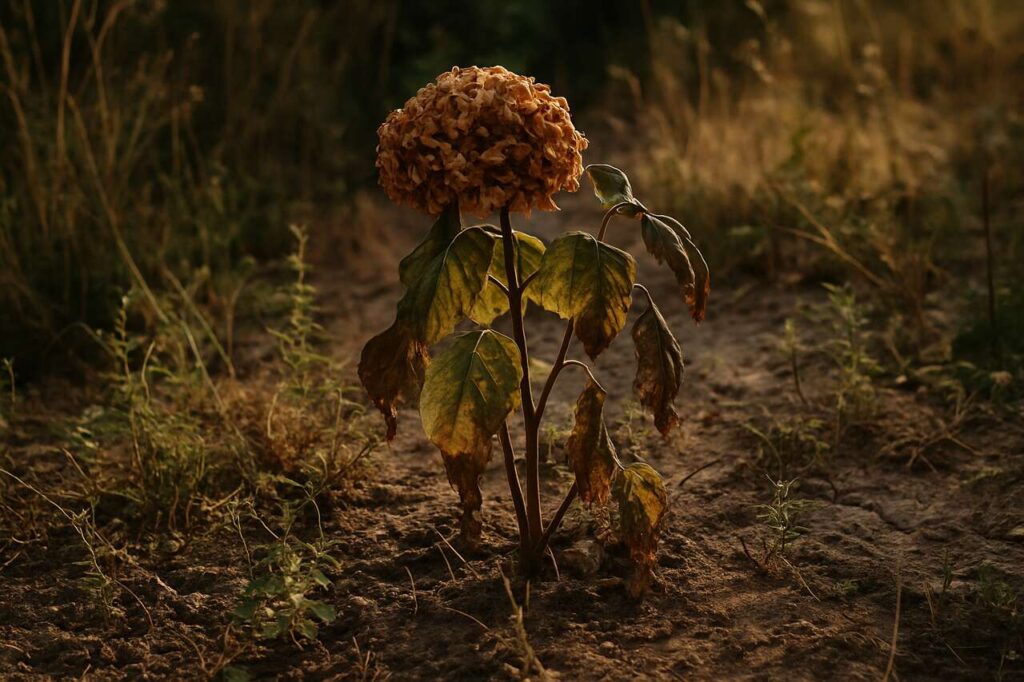
Average summer temperatures have climbed significantly over recent years, creating hostile conditions for moisture-dependent plants. Hydrangeas struggle particularly in hardiness zones experiencing extended periods of heat, where even shaded locations fail to provide adequate protection. The plants’ large, thin leaves lose water rapidly during hot spells, leading to wilting and stress that compromises their overall health and flowering capacity.
Unpredictable rainfall patterns
Modern weather systems deliver rainfall in increasingly erratic patterns. Hydrangeas require steady moisture throughout the growing season, but gardeners now face:
- Extended dry periods followed by sudden deluges
- Reduced overall precipitation during critical summer months
- Decreased atmospheric humidity levels
- Earlier onset of drought conditions in spring
These fluctuations create an environment where maintaining healthy hydrangeas becomes a constant battle against nature rather than working harmoniously with it.
Water scarcity concerns
Beyond the plants’ inherent needs, water conservation has become a pressing societal priority. Many regions now implement hosepipe bans during summer months, making it impossible to provide hydrangeas with their substantial water requirements. The ethical implications of dedicating precious water resources to ornamental plants that offer limited ecological value have not gone unnoticed by environmentally conscious gardeners.
Understanding these climate-related difficulties naturally leads to recognising when your existing hydrangeas are struggling under environmental pressure.
Identifying signs of distress in your hydrangeas
Recognising when hydrangeas are failing helps gardeners make informed decisions about whether to continue investing time and resources in their maintenance.
Visual indicators of plant stress
Distressed hydrangeas exhibit several telltale symptoms that signal their inability to cope with current conditions:
- Persistent wilting despite regular watering
- Browning leaf edges and crispy foliage
- Reduced flowering or complete failure to bloom
- Stunted growth and sparse branching
- Premature leaf drop during the growing season
Root and soil complications
Below ground, root systems may be compromising plant health in ways not immediately visible. Overwatering in attempts to compensate for heat stress often leads to waterlogged soil conditions that promote fungal infections and root rot. Conversely, repeated drought stress causes root systems to become shallow and ineffective, creating a cycle of increasing vulnerability.
| Symptom | Likely cause | Prognosis |
|---|---|---|
| Wilting despite moist soil | Root rot from overwatering | Poor |
| Crispy brown leaves | Heat and drought stress | Moderate |
| No flowering | Environmental stress | Poor to moderate |
| Yellowing foliage | Nutrient deficiency or root damage | Variable |
Recognising these warning signs enables gardeners to explore more resilient planting options that thrive rather than merely survive.
Drought-resistant alternatives for modern gardens
Fortunately, numerous attractive shrubs offer similar aesthetic appeal to hydrangeas whilst requiring significantly less water and maintenance.
Native shrub selections
Plants indigenous to Britain have evolved to thrive in local conditions, making them naturally suited to regional climate patterns. Consider these robust alternatives:
- Viburnum species provide clusters of flowers and autumn berries
- Philadelphus (mock orange) offers fragrant white blooms
- Weigela delivers colourful tubular flowers attractive to pollinators
- Potentilla produces cheerful blooms throughout summer with minimal care
- Spiraea varieties offer delicate flower clusters and attractive foliage
Mediterranean-climate plants
Shrubs originating from Mediterranean regions possess inherent drought tolerance whilst providing visual interest:
- Lavender offers fragrant flowers and silvery foliage
- Rosemary combines ornamental value with culinary uses
- Cistus produces papery flowers and thrives in dry conditions
- Ceanothus delivers stunning blue blooms with minimal water needs
These alternatives not only reduce water consumption but also support a broader approach to environmentally responsible garden management.
Embracing climate-appropriate gardening practices
Moving beyond hydrangeas represents part of a larger philosophical shift in how we approach garden design and plant selection.
Right plant, right place philosophy
This fundamental principle emphasises matching plants to existing site conditions rather than attempting to modify environments to suit inappropriate species. By selecting plants naturally adapted to local soil, moisture levels, and temperature ranges, gardeners create resilient landscapes requiring minimal intervention.
Biodiversity and ecological value
Native and climate-appropriate plants typically offer superior ecological benefits compared to exotic ornamentals. They provide:
- Food sources for native insects and pollinators
- Nesting materials and shelter for birds
- Support for complete food webs
- Enhanced local ecosystem resilience
This ecological perspective naturally connects to understanding why simply increasing water input fails to solve hydrangea problems.
Understanding why more water is not the solution
Many gardeners instinctively respond to wilting hydrangeas by increasing irrigation, but this approach often exacerbates rather than resolves underlying issues.
The overwatering paradox
Excessive watering creates anaerobic soil conditions that suffocate roots and promote pathogenic fungi. Plants weakened by heat stress become even more vulnerable when their root systems are compromised by waterlogging. This creates a destructive cycle where attempts to help actually accelerate decline.
Resource and environmental costs
The environmental impact of maintaining water-intensive ornamental plants extends beyond individual gardens:
- Increased demand on municipal water supplies
- Energy consumption for water treatment and distribution
- Opportunity cost of water that could support food production
- Carbon emissions associated with water infrastructure
Recognising these broader implications points towards adopting a fundamentally different approach to garden planning.
Towards a new gardening philosophy
The decline of hydrangea suitability represents an opportunity to reimagine gardens as dynamic ecosystems rather than static ornamental displays.
Adaptive garden design
Forward-thinking gardeners are creating flexible landscapes that can evolve with changing conditions. This involves selecting diverse plant palettes that offer resilience through variety, incorporating plants with different water needs in appropriate microclimates, and accepting that gardens will change over time.
Educational responsibility
Experienced gardeners have a role in sharing knowledge about climate-appropriate practices with newcomers to horticulture. This includes being honest about which traditional favourites no longer thrive and enthusiastically promoting alternatives that offer beauty without environmental compromise.
The evidence clearly demonstrates that hydrangeas are becoming increasingly problematic in modern gardens. Their substantial water requirements, sensitivity to heat stress, and vulnerability to both drought and overwatering make them poor choices for contemporary landscapes. By embracing drought-resistant alternatives and adopting climate-appropriate gardening practices, gardeners can create beautiful, resilient outdoor spaces that work with rather than against environmental realities. This shift represents not a loss but an opportunity to discover new plant relationships and develop gardens that genuinely thrive in current conditions whilst supporting local ecosystems and conserving precious resources.