


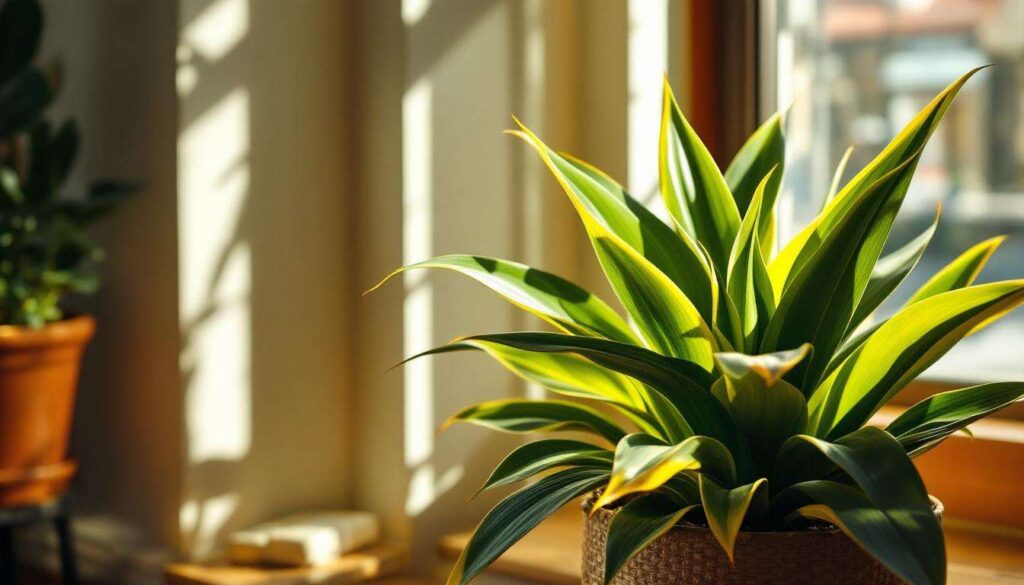
The snake plant, known scientifically as Sansevieria, has earned its reputation as one of the most resilient houseplants available. Yet even this hardy specimen requires thoughtful attention during winter months when environmental conditions shift dramatically. Many plant enthusiasts assume their snake plant can simply continue thriving with the same care routine year-round, but this oversight often leads to yellowing leaves, root rot, or stunted growth. The secret to maintaining vibrant, upright foliage throughout the colder season lies in understanding one frequently neglected aspect: adjusting care practices to match the plant’s dormant state and the unique challenges winter presents indoors.
Understanding the specific needs of the snake plant in winter
Snake plants enter a period of dormancy during winter, a natural response to reduced daylight hours and cooler temperatures. This physiological shift means the plant’s metabolic processes slow considerably, requiring far less water and nutrients than during active growing seasons.
Recognising dormancy signals
During dormancy, snake plants exhibit several characteristic changes that owners should monitor:
- Growth rate slows dramatically or stops entirely
- Soil dries out more slowly than in warmer months
- The plant requires minimal intervention to maintain health
- New leaf production ceases until spring arrives
Understanding these natural rhythms prevents the most common winter mistake: continuing to provide growing-season levels of care when the plant has essentially paused its development. The key forgotten tip that most owners overlook is this fundamental reduction in all care activities, particularly watering frequency, which must be drastically curtailed to prevent waterlogged soil.
Winter growth patterns
Unlike tropical plants that maintain steady growth year-round, snake plants conserve energy during winter. This adaptation protects them from potential damage when resources become scarce in their native habitats. Indoor specimens retain this evolutionary programming, making it essential to respect their dormant period rather than forcing continued growth.
These dormancy characteristics directly influence how light exposure should be managed throughout the darker months.
The importance of light for the snake plant during the cold months
Light availability decreases substantially during winter, with shorter days and weaker sun intensity affecting even south-facing windows. Snake plants, whilst tolerant of low light conditions, still require adequate illumination to maintain their structural integrity and vibrant colouration.
Optimal winter light placement
Position snake plants where they receive maximum available natural light without exposure to cold draughts from windows. The ideal location balances these requirements:
- Within two metres of a window receiving indirect bright light
- Away from radiators or heating vents that create temperature extremes
- In rooms where curtains or blinds open during daylight hours
- Rotated quarterly to ensure even light distribution across all leaves
Supplementing natural light
In particularly dark environments or northern climates with minimal winter sun, grow lights provide valuable supplementation. LED grow lights positioned 30-60 centimetres above the plant for 8-10 hours daily can compensate for insufficient natural illumination without generating excessive heat.
| Light condition | Leaf response | Recommended action |
|---|---|---|
| Adequate light | Upright, firm, vibrant green | Maintain current position |
| Insufficient light | Drooping, pale, weak growth | Move closer to window or add supplemental lighting |
| Excessive direct sun | Brown scorched patches | Filter light with sheer curtain |
Proper lighting establishes the foundation for healthy winter survival, but it must work in conjunction with carefully calibrated watering practices.
How to adjust watering to avoid winter overwatering
This represents the most critical winter care adjustment and the tip most frequently forgotten by snake plant owners. Overwatering during dormancy causes more plant deaths than any other factor, as saturated soil in cooler temperatures creates ideal conditions for root rot.
Establishing a winter watering schedule
Reduce watering frequency to approximately one-third to one-quarter of the summer schedule. For a plant watered weekly during growing season, this translates to watering every three to four weeks in winter. Always verify soil dryness before watering rather than following a rigid calendar.
The finger test method
Insert a finger 5-7 centimetres into the soil. Water only when the soil feels completely dry at this depth. Snake plants tolerate drought far better than excess moisture, making it safer to underwater slightly than risk oversaturation.
Water quality and temperature considerations
Use room-temperature water to avoid shocking the roots with cold liquid. Allow tap water to stand overnight to dissipate chlorine, or use filtered water for optimal results. Pour water directly onto the soil rather than into the leaf rosette, which can trap moisture and encourage fungal growth.
- Check soil moisture before every watering session
- Ensure pots have adequate drainage holes
- Empty saucers of standing water within 30 minutes
- Reduce watering further if room temperatures drop below 15°C
Mastering winter watering techniques works hand-in-hand with maintaining appropriate temperature ranges around the plant.
Protecting the snake plant from extreme temperatures
Snake plants tolerate a wide temperature range but suffer damage when exposed to extreme cold or sudden fluctuations. Winter presents unique thermal challenges in heated homes where temperatures vary dramatically between day and night or between rooms.
Ideal winter temperature range
Maintain ambient temperatures between 15-24°C for optimal winter health. Snake plants survive brief exposure to temperatures as low as 10°C but sustained cold causes cellular damage, manifesting as mushy, discoloured leaves.
Avoiding common temperature hazards
Several household situations create dangerous temperature extremes during winter:
- Windowsills where glass radiates cold during night-time hours
- Locations directly above or beside radiators creating hot, dry microclimates
- Draughty hallways or conservatories with poor insulation
- Rooms that are unheated overnight, causing temperature drops
Strategic placement for temperature stability
Position snake plants in interior rooms with consistent heating rather than exterior walls that lose heat rapidly. A stable, moderate temperature proves far more beneficial than warmer conditions with wild fluctuations. Use a minimum-maximum thermometer to monitor the actual temperature range in your chosen location over several days before committing to a permanent placement.
Temperature management intersects closely with humidity considerations, another frequently misunderstood aspect of winter snake plant care.
The role of humidity in the winter care of the snake plant
Central heating systems drastically reduce indoor humidity levels during winter, often dropping below 30 per cent. Whilst snake plants originate from arid regions and tolerate dry air better than many houseplants, extremely low humidity can still cause leaf tip browning and increased susceptibility to pests.
Optimal humidity levels
Snake plants thrive in humidity ranging from 30-50 per cent. They require far less atmospheric moisture than tropical species, making them ideal for typical heated homes. However, when humidity drops below 25 per cent for extended periods, even these drought-adapted plants show stress symptoms.
Monitoring and adjusting humidity
Use a hygrometer to measure actual humidity levels rather than guessing. If readings consistently fall below 30 per cent, consider these gentle humidity-boosting methods:
- Group plants together to create a microclimate with shared transpiration
- Place pebble trays filled with water beneath pots, ensuring the pot base sits above water level
- Use a room humidifier set to maintain 40 per cent humidity
- Avoid misting snake plant leaves, as this provides minimal humidity benefit whilst risking fungal issues
Dust removal for improved function
Winter conditions combined with heating systems increase dust accumulation on snake plant leaves. This layer blocks light absorption and impedes the plant’s limited gas exchange during dormancy. Wipe leaves monthly with a damp cloth to remove dust, supporting the plant’s respiratory functions throughout the dormant period.
These winter care practices set the stage for vigorous spring growth when the plant emerges from dormancy.
Preparing a snake plant for robust health come spring
The care provided during winter dormancy directly influences the vigour and growth potential the plant displays when temperatures warm and daylight increases. Proper winter maintenance ensures the snake plant enters spring with strong roots, healthy leaves, and stored energy ready for deployment.
Late winter assessment
As February progresses, begin monitoring for signs that dormancy is ending. Soil may dry slightly faster, and you might notice the faintest hint of new growth emerging from the soil or within leaf rosettes. This signals the approaching need to gradually increase care intensity.
Transitioning care practices
Avoid abrupt changes that shock the plant. Instead, implement these gradual adjustments:
- Incrementally increase watering frequency as soil dries faster
- Resume light fertilisation in early spring with diluted houseplant fertiliser
- Inspect roots if the plant hasn’t been repotted in two years, scheduling this task for mid-spring
- Prune any damaged or dead leaves accumulated during winter
Pest prevention strategies
Winter’s dry conditions sometimes encourage spider mites or mealybugs. Inspect leaf bases and undersides monthly, addressing any infestations immediately with insecticidal soap or neem oil before populations explode in spring’s warmer conditions.
| Month | Care adjustment | Expected plant response |
|---|---|---|
| February | Monitor for dormancy ending | Subtle signs of renewed activity |
| March | Gradually increase watering | Faster soil drying, possible new growth |
| April | Resume fertilisation | Active growth, new leaves emerging |
Winter care ultimately determines whether your snake plant merely survives the cold months or emerges primed for spectacular spring growth. The forgotten tip of dramatically reducing watering whilst maintaining adequate light and stable temperatures creates the foundation for year-round success with this remarkably adaptable houseplant. By respecting the plant’s natural dormancy cycle and adjusting care to match seasonal conditions, owners ensure their snake plants maintain the structural beauty and vibrant foliage that make them such valued additions to indoor spaces.