



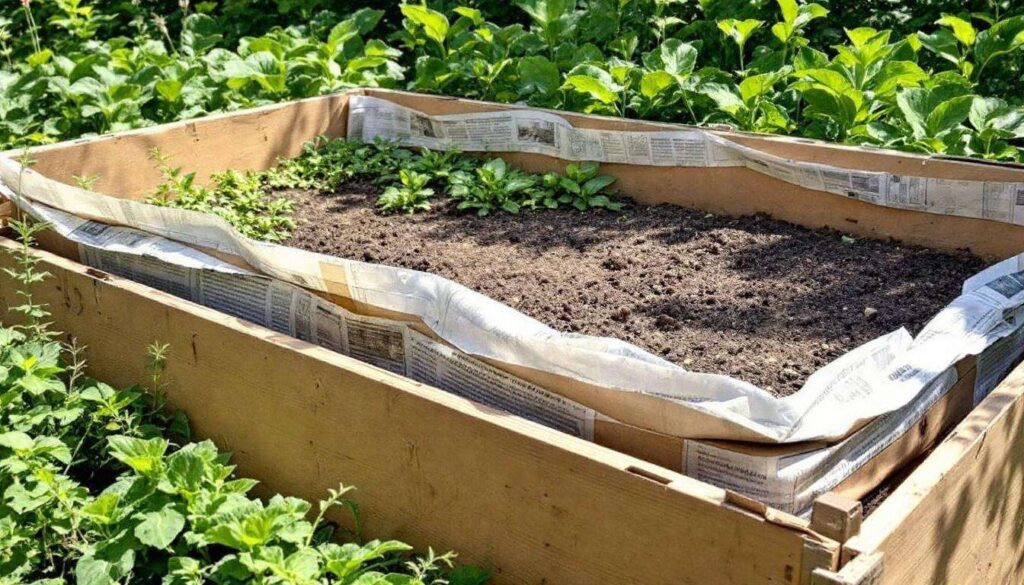
Gardeners seeking effective and sustainable solutions to combat weeds in raised beds have increasingly turned to a simple yet remarkably efficient technique: layering cardboard and newspaper to block light from reaching the soil. This method, rooted in ecological principles, offers a practical alternative to chemical herbicides whilst simultaneously enriching the soil with organic matter as the materials decompose. By creating a physical barrier that prevents weed seeds from germinating and weakens existing perennial roots, this approach has proven particularly valuable for both novice and experienced gardeners managing raised bed systems.
Understanding how light exclusion works
The science behind light deprivation
The fundamental principle underlying this weed control method relies on photosynthesis deprivation. Weed seeds require light to trigger germination, and by placing an opaque barrier over the soil surface, gardeners effectively create conditions that prevent this biological process from initiating. The cardboard and newspaper layers act as light-blocking shields that keep seeds dormant in the soil beneath.
When light cannot penetrate to the soil level, several beneficial outcomes occur:
- Weed seeds remain in a state of dormancy, unable to begin their growth cycle
- Existing perennial weed roots become weakened due to lack of photosynthesis
- The soil ecosystem beneath the barrier remains undisturbed, preserving beneficial microorganisms
- Moisture retention improves as the barrier reduces evaporation
Duration of effectiveness
The protective effect of this layering technique typically lasts between six to twelve months, depending on various factors including climate, material thickness, and the types of weeds present. As the cardboard and newspaper gradually decompose, they transform into valuable organic matter that enriches the soil structure and fertility. This dual function makes the method particularly appealing for sustainable gardening practices.
| Material type | Decomposition time | Weed suppression period |
|---|---|---|
| Single newspaper layer | 3-4 months | 4-6 months |
| Cardboard layer | 6-8 months | 8-12 months |
| Combined layers | 6-10 months | 10-14 months |
Understanding these mechanisms provides gardeners with the knowledge needed to select appropriate materials and implement the technique effectively throughout the growing season.
Choosing and preparing the necessary materials
Selecting suitable cardboard
Not all cardboard proves equally effective for this gardening application. Plain corrugated cardboard without glossy coatings, excessive tape, or plastic elements works best. Packaging boxes from household deliveries provide an excellent source of material, though gardeners should remove any non-biodegradable components such as plastic tape, staples, or synthetic labels before application.
Key characteristics of appropriate cardboard include:
- Brown, unbleached corrugated material free from chemical treatments
- Sufficient thickness to create an effective light barrier
- Absence of glossy printing or plastic lamination
- Clean condition without contaminants like oil or chemicals
Newspaper considerations
Modern newspapers printed with soy-based inks are generally safe for garden use, though gardeners should avoid glossy magazine inserts or heavily coloured sections. A layer of approximately six to eight sheets creates an adequate barrier whilst allowing for eventual decomposition. The availability of newspapers has decreased in many regions, making cardboard the more accessible option for many gardeners.
Additional materials required
Beyond the primary barrier materials, successful implementation requires several supplementary components:
- Compost or well-rotted organic matter for covering layers
- Mulch materials such as wood chips, straw, or leaf mould
- Water source for thorough saturation
- Sharp tools for cutting materials to size
With materials properly selected and prepared, gardeners can proceed confidently to the implementation phase, ensuring optimal results in their raised bed systems.
Steps for layering in a raised bed garden
Initial soil preparation
Before applying any barrier materials, the raised bed requires proper preparation. Begin by removing any large weeds or debris from the surface, though extensive weeding is unnecessary as the layering will address remaining vegetation. The soil should be relatively level to ensure even coverage and prevent gaps where light might penetrate.
Creating overlapping layers
The application process follows a systematic approach that maximises coverage and effectiveness. Position cardboard pieces or newspaper sheets across the entire bed surface, ensuring generous overlap between sections. Overlaps of at least ten to fifteen centimetres prevent opportunistic weeds from exploiting gaps between materials.
Proper layering technique involves:
- Starting from one edge and working systematically across the bed
- Overlapping each piece substantially with adjacent sections
- Paying particular attention to corners and edges where gaps commonly occur
- Extending materials slightly beyond the bed boundaries for complete coverage
- Creating double layers in areas with particularly persistent weed problems
Addressing bed edges and boundaries
The perimeter of raised beds often presents challenges as weeds can creep in from surrounding areas. Extend the cardboard or newspaper layers beyond the bed edges by at least fifteen centimetres, tucking materials against the bed walls to create a seamless barrier. This attention to detail prevents edge infiltration, a common weakness in barrier systems.
These foundational steps establish the framework upon which the remaining layers will build, creating a comprehensive weed suppression system.
Application of the paper: key steps
Timing considerations
Whilst this method can be implemented at virtually any time, certain periods offer distinct advantages. Early spring application before the growing season commences allows the materials to settle and begin decomposing before planting time. However, gardeners need not delay if circumstances prevent early preparation, as the technique remains effective even when applied during the active growing season.
Handling different weed types
Various weed species respond differently to light exclusion techniques. Annual weeds, which rely entirely on seed germination, are effectively controlled by this method. Perennial weeds with established root systems require more persistent attention, though the barrier significantly weakens them over time.
| Weed category | Control effectiveness | Additional measures |
|---|---|---|
| Annual weeds | 95-100% | None typically required |
| Shallow-rooted perennials | 80-90% | Monitor for breakthrough |
| Deep-rooted perennials | 60-75% | May require spot treatment |
Creating planting holes
When ready to plant, gardeners can simply cut cross-shaped openings through the barrier layers at appropriate spacing for their chosen crops. These strategic openings allow plant roots to access the soil beneath whilst maintaining weed suppression around the planted areas. The surrounding barrier continues protecting the bed from unwanted growth.
Proper application techniques ensure maximum effectiveness whilst maintaining flexibility for planting and garden management throughout the season.
Watering and covering the paper: practical tips
Initial saturation importance
Thoroughly watering the barrier layers immediately after placement serves multiple critical functions. Moisture helps the cardboard and newspaper conform to the soil surface, eliminating air pockets and improving contact. Saturation also initiates the decomposition process and prevents lightweight materials from blowing away before additional covering is applied.
Applying covering materials
Once the barrier layers are saturated, apply a substantial covering of compost or mulch. A depth of five to ten centimetres provides adequate weight to hold materials in place whilst creating an attractive finished appearance. This covering layer also provides additional weed suppression, moisture retention, and gradual nutrient release as it decomposes.
Effective covering materials include:
- Well-rotted compost providing immediate nutrients
- Wood chip mulch offering long-lasting coverage
- Straw or hay for temporary seasonal protection
- Leaf mould contributing to soil structure improvement
- Grass clippings in thin layers to prevent matting
Ongoing moisture management
Throughout the growing season, maintain consistent moisture levels in the covering materials. Regular watering supports the decomposition process and ensures planted crops receive adequate hydration. The barrier layers do not significantly impede water penetration, allowing irrigation to reach plant roots effectively whilst maintaining weed suppression.
With proper watering and covering techniques established, the raised bed system requires minimal ongoing intervention to maintain its weed-free status.
Long-term maintenance and upkeep of flowerbeds
Monitoring for breakthrough weeds
Despite the effectiveness of this method, vigilant observation remains important. Particularly aggressive perennial weeds may occasionally penetrate the barrier, especially as materials begin decomposing. Address any breakthrough growth promptly by pulling weeds whilst they remain small, preventing them from establishing extensive root systems.
Refreshing barriers as needed
As the original layers decompose and integrate into the soil, their weed-suppressing capabilities gradually diminish. Gardeners can extend protection by adding fresh layers of cardboard or newspaper over areas where the original barrier has largely decomposed. This periodic refreshing maintains continuous weed control whilst continually adding organic matter to the soil.
Assessing soil improvement
One of the significant long-term benefits of this technique involves the enhancement of soil quality. As cardboard and newspaper decompose, they contribute carbon-rich organic matter that improves soil structure, water retention, and microbial activity. Gardeners typically observe improved soil friability and increased earthworm populations in beds managed with this method.
Long-term benefits include:
- Reduced soil compaction through improved structure
- Enhanced water-holding capacity during dry periods
- Increased beneficial soil organism populations
- Gradual pH buffering as materials decompose
- Reduced need for supplemental fertilisation
The cardboard and newspaper layering method represents a practical, economical, and environmentally responsible approach to weed management in raised bed gardens. By blocking light to prevent seed germination and weaken existing weeds, this technique delivers effective results without chemical interventions. The gradual decomposition of barrier materials enriches soil quality whilst maintaining weed suppression for extended periods. Gardeners who implement this method benefit from reduced maintenance requirements, improved growing conditions, and the satisfaction of employing sustainable practices that minimise environmental impact. With proper material selection, careful application, and basic ongoing monitoring, this time-tested approach continues proving its value across diverse gardening situations and climatic conditions.