



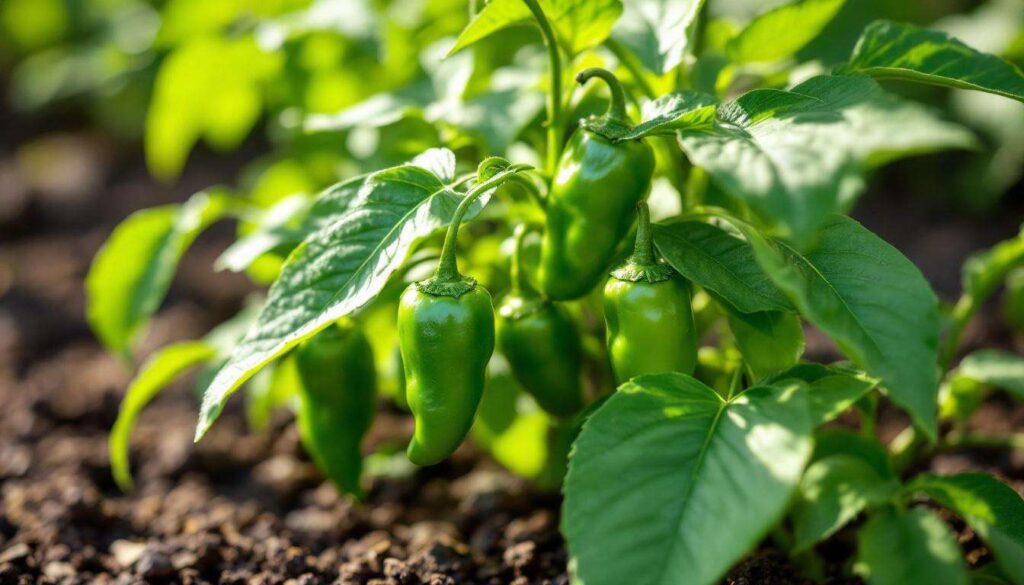
Gardeners seeking sustainable ways to enrich their soil have increasingly turned to coffee grounds as a valuable resource. These kitchen remnants, often discarded without a second thought, contain nutrients that can significantly benefit vegetable crops, particularly pepper plants. The practice of creating a coffee grounds ring around pepper stems has gained attention for its ability to deliver slow-release nitrogen, a crucial element for robust fruiting. This method transforms what would otherwise be waste into a practical amendment that supports plant health throughout the growing season.
The benefits of coffee grounds for the garden
Nutritional composition of spent coffee
Coffee grounds offer a range of nutrients essential for plant development. The primary component is nitrogen, which typically comprises approximately 2% of the material by weight. This percentage may seem modest, but the slow decomposition process ensures a steady supply over several weeks. Beyond nitrogen, coffee grounds contain smaller quantities of phosphorus and potassium, alongside trace elements including:
- Magnesium, which supports chlorophyll production
- Calcium, strengthening cell walls
- Copper, involved in photosynthesis
- Zinc, essential for enzyme function
Physical soil improvements
The texture of coffee grounds contributes to soil structure enhancement. When incorporated correctly, they improve drainage in clay-heavy soils whilst increasing water retention in sandy compositions. The organic matter gradually breaks down, encouraging beneficial microbial activity that further enriches the growing medium. Earthworms are particularly attracted to decomposing coffee grounds, and their tunnelling activity aerates the soil naturally.
Environmental advantages
Diverting coffee grounds from landfills reduces methane emissions associated with organic waste decomposition in anaerobic conditions. Households and cafés generate substantial quantities of this material daily, making it an abundant and accessible resource. By repurposing these grounds, gardeners participate in a circular economy that minimises waste whilst enhancing their cultivation practices.
Understanding these fundamental benefits provides context for examining how coffee grounds specifically support pepper cultivation.
How coffee grounds improve pepper growth
Nitrogen requirements of pepper plants
Peppers demand consistent nitrogen availability throughout their growth cycle, particularly during the vegetative phase when foliage develops rapidly. Insufficient nitrogen results in yellowing leaves, stunted growth, and reduced photosynthetic capacity. Coffee grounds address this need by releasing nitrogen gradually as microorganisms break down the organic matter, preventing the nutrient spikes and subsequent deficiencies associated with synthetic fertilisers.
The coffee grounds ring technique
Creating a ring of coffee grounds around pepper plants involves spreading a layer approximately 1-2 centimetres thick in a circle roughly 10-15 centimetres from the stem. This placement ensures nutrients reach the root zone without direct contact with the plant base, which could encourage fungal issues. The ring method offers several advantages:
- Concentrated nutrient delivery to the active root area
- Moisture retention around the root ball
- Potential deterrent effect on certain pests, including slugs
- Visual marker for targeted watering
Supporting flowering and fruit development
Whilst nitrogen primarily supports leaf growth, the balanced nutrition from coffee grounds, including trace phosphorus and potassium, contributes to flower formation and fruit set. Healthy foliage generated through adequate nitrogen enables efficient photosynthesis, which in turn provides the energy required for pepper production. The gradual nutrient release aligns with the plant’s extended fruiting period, supporting continuous production rather than a single flush.
The mechanism behind this sustained nutrient delivery warrants closer examination to appreciate its effectiveness.
Slow-release nitrogen: an asset for fruiting
Understanding nitrogen mineralisation
The nitrogen in coffee grounds exists primarily in organic form, bound within complex molecules that plants cannot directly absorb. Soil microorganisms must first decompose these compounds through a process called mineralisation, converting organic nitrogen into ammonium and subsequently nitrate—forms accessible to plant roots. This biological process occurs gradually, typically over 4-8 weeks depending on temperature, moisture, and microbial activity levels.
Advantages over quick-release fertilisers
Synthetic nitrogen fertilisers provide immediate nutrient availability, which can lead to rapid vegetative growth but also presents risks:
| Characteristic | Quick-release fertilisers | Coffee grounds |
|---|---|---|
| Nutrient availability | Immediate | Gradual (4-8 weeks) |
| Leaching risk | High | Low |
| Root burn potential | Moderate to high | Minimal |
| Soil biology impact | Neutral to negative | Positive |
Matching nutrient release to fruiting demands
Pepper plants transition from vegetative growth to fruiting over several weeks, requiring sustained nutrition throughout this period. The slow-release nature of coffee grounds aligns with this extended timeline, providing nitrogen as leaves continue expanding whilst fruits develop. This steady supply prevents the excessive vegetative growth that can occur with high nitrogen levels late in the season, which diverts energy from fruit production.
Maximising these benefits requires proper preparation and application techniques.
Preparation and effective use of coffee grounds
Drying and storage considerations
Fresh coffee grounds contain significant moisture, which can lead to mould growth if stored improperly. Spreading grounds thinly on a tray and allowing them to air-dry for 24-48 hours prevents this issue. Dried grounds can be stored in breathable containers for several weeks. Some gardeners prefer using fresh grounds directly, which is acceptable provided they are applied immediately and incorporated lightly into the soil surface.
Application methods and timing
The optimal timing for coffee grounds application depends on the pepper growth stage:
- At transplanting: mix a small quantity into the planting hole to provide initial nutrients
- Early growth phase: establish the ring when plants reach 15-20 centimetres in height
- Mid-season refresh: replenish the ring every 4-6 weeks as grounds decompose
- Late season: reduce or cease applications to avoid promoting excessive foliage over fruiting
Quantity guidelines
Moderation proves essential when applying coffee grounds. A general recommendation suggests using no more than 20-25% coffee grounds in any soil amendment mixture. For the ring method, a single application should not exceed 250 grams per plant. Excessive quantities can create a hydrophobic layer that repels water rather than retaining it, and may temporarily immobilise nitrogen as microorganisms consume available soil nitrogen to decompose the carbon-rich material.
Combining with other amendments
Coffee grounds work most effectively when integrated into a balanced soil management approach. Combining them with compost, aged manure, or leaf mould provides diverse nutrients and prevents over-reliance on a single amendment. This diversity supports broader soil biology and ensures plants receive comprehensive nutrition beyond nitrogen alone.
Despite these benefits, certain practices can undermine the positive effects of coffee grounds.
Errors to avoid with coffee grounds
Excessive application volumes
The most common mistake involves applying coffee grounds too generously. Thick layers exceeding 2-3 centimetres can form a water-resistant crust as the fine particles compact. This barrier prevents rainfall and irrigation from penetrating to roots, creating drought stress despite adequate water provision. Additionally, concentrated applications may temporarily increase soil acidity beyond optimal levels for peppers, which prefer pH ranges between 6.0 and 6.8.
Direct contact with plant stems
Placing coffee grounds directly against pepper stems creates a moist environment conducive to fungal diseases and stem rot. The decomposition process generates heat and maintains dampness, conditions that pathogens exploit. Maintaining a gap of at least 5-8 centimetres between the grounds ring and the stem base prevents these issues whilst ensuring nutrients still reach the root zone.
Neglecting soil pH monitoring
Contrary to popular belief, used coffee grounds are only mildly acidic, with pH values typically between 6.2 and 6.8 after brewing. However, repeated applications without monitoring can gradually shift soil pH, particularly in naturally acidic soils. Testing pH annually and adjusting with lime if necessary ensures the growing medium remains within the optimal range for nutrient availability.
Using grounds with additives
Coffee grounds from flavoured coffees or those mixed with sugar, milk, or artificial sweeteners should be avoided. These additives can attract pests, encourage unwanted microbial activity, or introduce substances harmful to plants. Only pure, unflavoured coffee grounds should be used for garden applications.
Recognising that not all plants respond positively to coffee grounds helps gardeners make informed decisions about where to apply this amendment.
Why some plants do not appreciate coffee grounds
Acid-sensitive species
Whilst coffee grounds are not highly acidic, they can contribute to lowered pH over time. Plants preferring alkaline conditions may struggle in environments regularly amended with coffee grounds. Examples include asparagus, brassicas such as cabbage and broccoli, and certain herbs like lavender. These species thrive in pH ranges above 7.0, making coffee grounds an inappropriate choice.
Seedlings and young plants
The nitrogen release from decomposing coffee grounds can prove too intense for delicate seedlings with undeveloped root systems. The microbial activity associated with decomposition may also compete with young plants for available nitrogen, temporarily creating deficiency symptoms. Established plants with extensive root networks tolerate and benefit from coffee grounds, whereas seedlings require gentler nutrition sources.
Plants requiring low nitrogen
Some crops perform best with minimal nitrogen, focusing energy on root, flower, or fruit development rather than foliage. Root vegetables such as carrots and radishes may produce excessive tops and underdeveloped roots when given high nitrogen amendments. Similarly, certain flowering plants prioritise blooms over leaves when nitrogen remains moderate. For these species, coffee grounds may encourage undesirable vegetative growth at the expense of the desired harvest.
Species with specific nutrient requirements
Plants with particular nutritional needs may not receive adequate support from coffee grounds alone. Blueberries, for instance, require very acidic conditions (pH 4.5-5.5) and specialised nutrients that coffee grounds cannot provide in sufficient quantities. Relying solely on this amendment for such plants would result in deficiencies and poor performance.
Coffee grounds represent a valuable yet specific tool in the gardener’s arsenal. When applied correctly to pepper plants through the ring method, they deliver slow-release nitrogen that supports sustained growth and fruiting. The key lies in moderation, proper placement, and integration within a broader soil management strategy. By understanding both the benefits and limitations of coffee grounds, gardeners can harness this readily available resource to enhance pepper production whilst avoiding common pitfalls. The transformation of daily coffee waste into productive garden amendment exemplifies practical sustainability, turning routine consumption into cultivation success.