


Gardeners often find themselves captivated by the stunning beauty of the empress tree, with its magnificent purple blooms and impressive growth rate. Yet beneath this attractive exterior lies a horticultural nightmare that has prompted experts to issue stern warnings against planting this species. Understanding why this seemingly perfect ornamental tree poses such significant risks can help you make informed decisions about your garden’s future whilst exploring superior alternatives that offer beauty without the associated problems.
Why you should never plant an empress tree
The invasive nature of Paulownia tomentosa
The empress tree, scientifically known as Paulownia tomentosa, represents one of the most aggressive invasive species in temperate regions. This tree produces an astonishing number of seeds annually, with a single mature specimen capable of generating up to 20 million seeds. These lightweight seeds disperse easily through wind, colonising vast areas and outcompeting native flora for essential resources such as sunlight, water and nutrients.
Once established, the empress tree demonstrates remarkable resilience. Its rapid growth rate of up to four metres per year allows it to quickly dominate landscapes, creating dense canopies that prevent native plants from thriving. This aggressive behaviour has led to its classification as an invasive species in numerous countries, including parts of the United States, Australia and several European nations.
Difficulty in removal and control
Attempting to eliminate an empress tree proves extraordinarily challenging. The species possesses a robust root system that extends deep into the soil, making complete extraction nearly impossible without professional equipment. Even more problematic is the tree’s ability to regenerate from root fragments, meaning that a single cutting attempt can result in multiple new shoots emerging from the remaining root structure.
Property owners who have planted empress trees often discover too late that their decision has created a perpetual maintenance burden, with new growth appearing season after season despite repeated removal efforts. These characteristics make the empress tree particularly troublesome in urban and suburban settings, where space is limited and control measures prove costly and time-consuming. This persistent nature extends beyond individual gardens, threatening broader ecological systems and necessitating a closer examination of the specific dangers this species presents.
The dangers associated with its cultivation
Environmental and ecological impacts
The empress tree’s cultivation poses severe threats to biodiversity. As it spreads, this species creates monocultures that displace native vegetation, fundamentally altering habitat structures that local wildlife depends upon. Indigenous insects, birds and mammals find themselves without their traditional food sources and nesting sites, leading to cascading effects throughout the ecosystem.
| Environmental impact | Severity level | Affected ecosystems |
|---|---|---|
| Native plant displacement | High | Woodlands, riverbanks |
| Soil composition alteration | Medium | Forest floors, gardens |
| Wildlife habitat disruption | High | All terrestrial habitats |
| Water resource competition | Medium | Riparian zones |
Practical problems for property owners
Beyond environmental concerns, the empress tree creates numerous practical difficulties for homeowners and land managers. The species’ brittle wood makes it susceptible to storm damage, with large branches frequently breaking and falling, posing risks to structures, vehicles and people. Additionally, the tree’s shallow root system can damage foundations, pavements and underground utilities.
- Structural damage to buildings and infrastructure from aggressive root growth
- Increased maintenance costs due to constant pruning and debris removal
- Potential liability issues from falling branches on neighbouring properties
- Reduced property values in areas where empress tree infestations are severe
- Attraction of pest species that may spread to other garden plants
These multifaceted problems underscore why horticultural experts universally recommend avoiding this species, despite its undeniable aesthetic appeal. Fortunately, numerous superior alternatives exist that provide comparable beauty without the associated risks.
Recommended alternatives for your garden
Native and non-invasive flowering trees
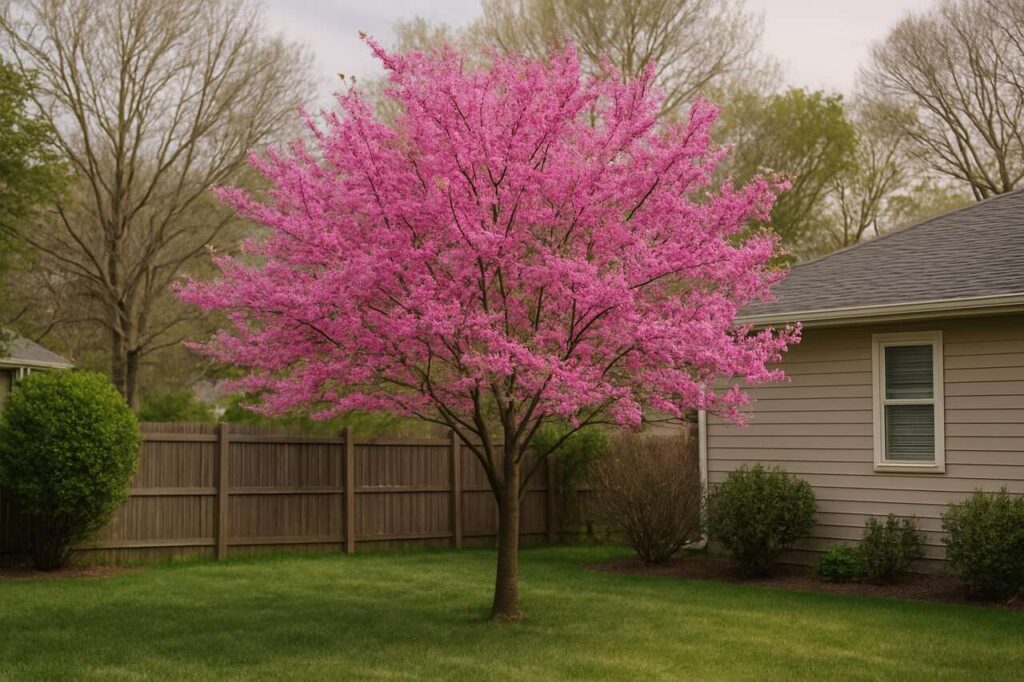
Selecting appropriate alternatives to the empress tree requires consideration of both aesthetic qualities and environmental responsibility. The Judas tree (Cercis canadensis) offers spectacular spring blooms with clusters of pink or purple flowers that appear directly on branches before leaves emerge. This small to medium-sized tree reaches heights of six to nine metres, making it suitable for most garden settings whilst supporting native pollinators.
The flowering dogwood (Cornus florida) represents another excellent choice, producing distinctive white or pink bracts in spring followed by attractive red berries that provide food for wildlife. This species thrives in partial shade and demonstrates excellent disease resistance when planted in appropriate conditions, offering year-round interest through its varied seasonal displays.
Magnolias and ornamental cherries
Magnolia kobus delivers breathtaking displays of fragrant white flowers in early spring, creating a stunning focal point without the invasive tendencies of the empress tree. This Japanese native adapts well to various soil types and demonstrates reliable hardiness in temperate climates. Its moderate growth rate allows for easier management whilst still providing substantial ornamental value.
Japanese cherry trees (Prunus serrulata) have become beloved worldwide for their spectacular spring blossoms. These trees offer numerous cultivars with varying flower colours, growth habits and sizes, allowing gardeners to select specimens perfectly suited to their specific spaces. Unlike the empress tree, ornamental cherries integrate harmoniously into existing landscapes without threatening native ecosystems. However, whilst these options prove superior to the empress tree, awareness of other problematic species remains essential for responsible garden planning.
Five trees to absolutely avoid
Commonly planted invasive species
Beyond the empress tree, several other popular ornamental species pose similar ecological threats. The tree of heaven (Ailanthus altissima) shares many problematic characteristics with the empress tree, including aggressive spreading, allelopathic properties that inhibit other plants’ growth, and extreme difficulty in eradication. This species has become particularly troublesome in urban environments where it colonises disturbed areas and damages infrastructure.
- Norway maple (Acer platanoides): creates dense shade that prevents native understory plants from surviving
- Russian olive (Elaeagnus angustifolia): transforms soil chemistry and displaces native riparian vegetation
- White mulberry (Morus alba): hybridises with native mulberries, threatening genetic integrity
- Callery pear (Pyrus calleryana): produces thorny thickets that crowd out native species
- Mimosa tree (Albizia julibrissin): spreads rapidly and proves nearly impossible to control once established
Regional considerations
Invasiveness varies by location, with certain species proving problematic in some regions whilst remaining manageable elsewhere. Before selecting any tree, consult local extension services or native plant societies to identify species considered invasive in your specific area. This research proves essential as climate change enables previously contained species to expand their ranges, creating new invasive threats in formerly unaffected regions. Understanding these risks naturally leads to appreciating the numerous advantages that responsible tree selection provides.
The benefits of alternative trees
Ecological advantages
Choosing non-invasive alternatives delivers substantial environmental benefits that extend far beyond individual gardens. Native and well-behaved ornamental trees support local ecosystems by providing appropriate food sources for indigenous insects, birds and other wildlife. These species have evolved alongside local fauna, creating intricate relationships that sustain biodiversity and ecological resilience.
| Benefit category | Specific advantages |
|---|---|
| Wildlife support | Provides food and habitat for native species, supports pollinator populations |
| Ecosystem stability | Maintains natural plant community balance, prevents monoculture formation |
| Soil health | Improves soil structure, promotes beneficial microorganism activity |
| Water management | Appropriate water usage, reduces erosion, filters runoff naturally |
Practical and aesthetic rewards
Well-chosen trees require significantly less maintenance than invasive species, reducing both time investment and costs associated with garden care. These species typically demonstrate better structural integrity, reducing risks from falling branches whilst providing reliable seasonal interest through flowers, foliage and fruit. Property values often increase with thoughtful landscaping that incorporates appropriate trees, particularly those that enhance rather than threaten local environments. Successfully implementing these benefits requires careful consideration of multiple factors when selecting trees for specific locations.
How to choose the right tree for your outdoor space
Assessing site conditions
Successful tree selection begins with thorough site analysis. Evaluate sunlight exposure throughout the day, noting areas that receive full sun, partial shade or deep shade. Test soil pH and drainage characteristics, as these factors significantly influence which species will thrive in your location. Consider mature tree size in relation to available space, ensuring adequate clearance from structures, utilities and other plantings.
Matching trees to your needs
Define your priorities before selecting species. Gardens requiring privacy screening benefit from evergreen or dense deciduous trees, whilst those seeking seasonal colour might prioritise flowering or autumn-foliage specimens. Consider maintenance requirements honestly, selecting species that match your available time and resources. Research disease and pest resistance for species under consideration, as resistant cultivars require less intervention and perform more reliably over time.
- Consult local nurseries specialising in native plants for expert guidance
- Review growth rates to ensure trees develop at appropriate speeds for your timeline
- Verify hardiness zones to guarantee species survival in your climate
- Consider wildlife value when selecting between otherwise comparable options
- Plan for long-term care including pruning, watering and potential removal costs
Making informed decisions about tree selection protects both your property and the broader environment. The empress tree’s cautionary tale demonstrates how superficial beauty can mask serious long-term consequences. By choosing responsible alternatives that offer comparable aesthetic appeal without invasive tendencies, gardeners create landscapes that enhance rather than threaten ecological health. Thoughtful tree selection represents an investment in sustainable beauty that benefits current and future generations whilst supporting the intricate web of life that depends upon healthy, diverse plant communities.